Toronto Condo Water Shutdown Notice and Planning Guide
A practical guide to water shutdown notice and condo shutdown planning in Toronto: timing, access, costs, resident communication and risk control.
Toronto Condo Water Shutdown Notice and Planning Guide
Quick summary: In a condominium, the hardest part of a water shutdown is usually not turning the water off. It is knowing exactly what will be affected, how long refill will really take, and how to communicate it in a way that does not create avoidable complaints, chargeback disputes or after-hours emergencies. In Toronto and across the GTA, the buildings that handle shutdowns well are usually the ones that have valve records, realistic notice periods and a contractor who has walked the piping before naming a time window.
A common board assumption is that a planned shutdown is just an inconvenience issue. In practice, shutdown logistics are a risk-management issue. Poor planning can leave a 25-storey building without toilets at 4:30 p.m., trigger dirty-water complaints on multiple floors, expose weak stop valves and faucet cartridges, and create arguments over whether the work was common element, owner work or a Section 98 problem. In fall, when boards in Toronto, Mississauga and Vaughan are trying to lock next year’s budgets and complete pre-winter work, this matters more than it sounds.
The real problem is not the valve. It is the uncertainty.
Most residents think a shutdown means a plumber closes one valve, does the repair, and opens it again. In a condominium tower, especially a 1970s or 1980s concrete high-rise, that is rarely how it goes. A domestic cold or hot water riser may serve 8 to 20 suites vertically, and the sectional valve that is supposed to isolate it may not have been exercised in years. That is one reason a proper valve audit pays for itself long before a capital project starts.
The uncertainty usually falls into four categories:
- Isolation uncertainty: Will the intended valve actually hold, or will the shutdown need to expand from one riser to a whole zone?
- Drain-down uncertainty: How long will it take to empty a 2-inch, 3-inch or 4-inch line enough to work safely?
- Access uncertainty: Does the contractor need entry to one suite, six suites or an entire stack to bleed, inspect or verify?
- Restart uncertainty: Will repressurizing the line create leaks at old angle stops, flush valves, cartridges or owner-renovated fixtures?
In buildings we service in North York and Scarborough, the fourth point is often underestimated. A shutdown that goes smoothly at the main may still generate 5 to 15 service calls afterward because weak fixture parts fail when pressure drops and returns. That does not always mean the contractor caused the problem. It often means the shutdown exposed parts that were already near failure.
For that reason, shutdown planning belongs with broader preventive maintenance programs, not just one-off repair calls. A building that already has pressure reducing valve maintenance, maintenance programs and current valve charts typically has shorter outages and fewer resident complaints.
What a manager should know before any notice goes out
A shutdown notice is only as good as the site review behind it. Before a manager posts a memo, someone should be able to answer a few specific questions in writing.
1. Exactly which fixtures and suites will lose water?
“Floors 12 to 18” is not enough. The notice should say whether the shutdown affects:
- Domestic cold water only
- Domestic hot water only
- Both hot and cold
- Toilets only in a branch line repair
- Laundry, dishwasher and ice-maker feeds
- Amenity areas, janitor sinks or commercial units
In some early-1990s towers in Etobicoke and Mississauga, hot and cold risers are isolated differently, so the building can maintain one service while shutting down the other. That matters because residents tolerate a hot-water shutdown much better than losing both hot and cold for six hours.
2. Has anyone confirmed the valve map against field conditions?
Old valve tags are often wrong. Renovations, ceiling closures and undocumented tie-ins can make a 20-year-old chart unreliable. Before a major shutdown, it is worth physically tracing the line and confirming whether the valve is gate, ball or butterfly, whether it is accessible, and whether there is a drain point downstream. If the building does not know, a pre-shutdown valve replacement or charting exercise may be cheaper than a failed outage day.
3. How long will refill and air purging take?
Managers are often given the wrench time, not the total outage time. In a 20- to 30-storey building, refilling a domestic line slowly enough to avoid water hammer can add 45 to 120 minutes after the repair is complete. Hot water recirculation lines may also need time to stabilize, which is why a resident may say “water is back” while another says there is still no hot water 40 minutes later.
4. What is the contingency if the valve fails?
If the local isolation does not hold, does the contractor expand the shutdown, postpone, or move immediately to emergency repair? The answer changes the resident notice language and the manager’s staffing plan. For larger projects, BMI typically recommends a written contingency path tied to the building’s project solutions scope rather than making that decision in the corridor while residents are waiting.
Why shutdowns go sideways in older Toronto buildings
There is a building-age pattern to shutdown problems, and boards should understand it because it affects budget planning.
1970s and 1980s concrete high-rises
These buildings often have original copper domestic water risers, older gate valves, and partial records. The copper itself may still be serviceable, but the isolation points are often the weak link. A 2-inch or 3-inch gate valve that has not been exercised in years can look fine externally and still fail to seat. In these towers, the shutdown risk is often driven more by valve condition than by pipe condition, which is why riser replacement and valve renewal are sometimes discussed together.
Early-1990s towers
A common mistake we see in early-1990s North York high-rises is assuming the building has enough sectionalization because the drawings show it. In reality, some floor valves are concealed, seized, or were bypassed during prior repairs. These buildings may also have a mix of original and renovated suite shutoffs, which creates inconsistent restart behaviour after pressure returns.
Kitec-era buildings, roughly 1995-2007
In buildings with Kitec or PEX-AL-PEX still present, shutdown planning deserves extra caution. Disturbing adjacent fittings or changing pressure conditions can expose brittle or stressed connections, especially where owner renovations tied new work into old systems. If the building is already discussing Kitec replacement or broader building re-piping, repeated shutdowns for piecemeal repairs can become false economy.
Post-2010 glass towers
Newer towers usually have better isolation, but the problem shifts to logistics. There may be more tenanted investor units, more access coordination, more electronic notice expectations, and tighter service windows around concierge staffing and elevator protection. The plumbing is newer; the communication burden is heavier.
Timing: when to shut down, and when not to
There is no perfect shutdown time, but there are bad ones. In most occupied condominiums, the most defensible planned window is mid-morning to mid-afternoon, typically 9:00 a.m. to 3:00 p.m. or 10:00 a.m. to 4:00 p.m. That avoids the 6:00 to 8:30 a.m. peak for showers and toilets, and the 5:00 to 8:00 p.m. return-home period.
Fall scheduling matters more than boards think
In November, many Toronto boards are trying to squeeze in stack cleaning, PRV work and valve repairs before winter pressure swings. The temptation is to stack multiple shutdowns into one day. Sometimes that is efficient; sometimes it is how a 4-hour outage becomes an 8-hour one. If the building also needs kitchen stack cleaning, drain cleaning or backflow prevention testing before year end, sequence matters.
A useful rule is this: combine scopes only when they share the same isolation and the same risk profile. For example, replacing a failed riser valve and taking pressure readings for a nearby pressure reducing valve maintenance review can make sense during one outage. Combining a domestic water shutdown with unrelated drain work often does not save much because the crews, tools and restart risks are different.
How long different shutdowns usually take
These are GTA market norms, not promises:
| Shutdown type | Typical outage window | Notes |
|---|---|---|
| In-suite valve or fixture branch isolation | 1-3 hours | Only if local shutoffs hold and access is ready |
| Sectional valve replacement | 4-8 hours | Add time if line must drain from multiple floors |
| Small riser tie-in or repair | 4-8 hours | Usually one riser or one vertical zone |
| Multi-floor riser replacement phase | 6-10 hours per phase | Repeated over days or weeks |
| Whole-building domestic shutdown | 6-12 hours | Usually only when sectionalization is poor |
On a 300-unit building, a whole-building shutdown should be treated as a significant operation, not a routine notice. Concierge coverage, operator presence, elevator protection, common-area washroom planning and post-restart call handling all need to be assigned in advance.
Night work is not always the resident-friendly answer
Boards sometimes ask for after-hours shutdowns to reduce daytime inconvenience. That can work in mixed-use buildings or where commercial tenants demand it, but it also increases cost and risk. Night work means premium labour, reduced parts availability if a hidden problem appears, and less management support on site. In Toronto, Mississauga and Markham, after-hours shutdowns often cost 20% to 40% more than daytime work once overtime, supervision and contingency are factored in.
What a proper water shutdown notice should actually say
A good water shutdown notice is specific enough to be useful and restrained enough to remain accurate. Over-promising causes more complaints than a conservative window.
The notice should include:
- Date and time range, with a buffer rather than a best-case estimate
- Exact suites, floors, stacks or common areas affected
- Whether hot, cold or both will be unavailable
- Whether toilets, showers, laundry and dishwashers will be affected
- Access requirements for specific suites
- A reminder to limit water use immediately before the shutdown
- A note that water may appear cloudy or discoloured briefly after restoration
- Contact information for management and after-hours response
If the work is tied to a larger common-element issue such as riser replacement or expansion compensator replacement, say that plainly. Residents are more patient when they understand the work is preventing future disruptions rather than reacting to one leak.
One point that gets missed in many notices: tell residents not to run dishwashers, washing machines or timed appliances near the shutdown window. In high-rise condos, the complaint often comes later: “my dishwasher faulted” or “my laundry cycle stopped.” That is avoidable if the notice is written by someone who has seen the same call 50 times.
Inspection and pre-shutdown work that saves the day
The cheapest shutdown is usually the one that was prepared properly. Before a major outage, there are a few pieces of evidence a manager should insist on.
Valve condition confirmation
If the building has not exercised or documented the isolation valves recently, ask whether the contractor recommends a pre-visit to confirm operation. This is exactly where a valve audit has value. In some older towers, one failed 3-inch valve can turn a targeted outage into a whole-building shutdown, and the cost difference is not small.
Pressure readings before and after
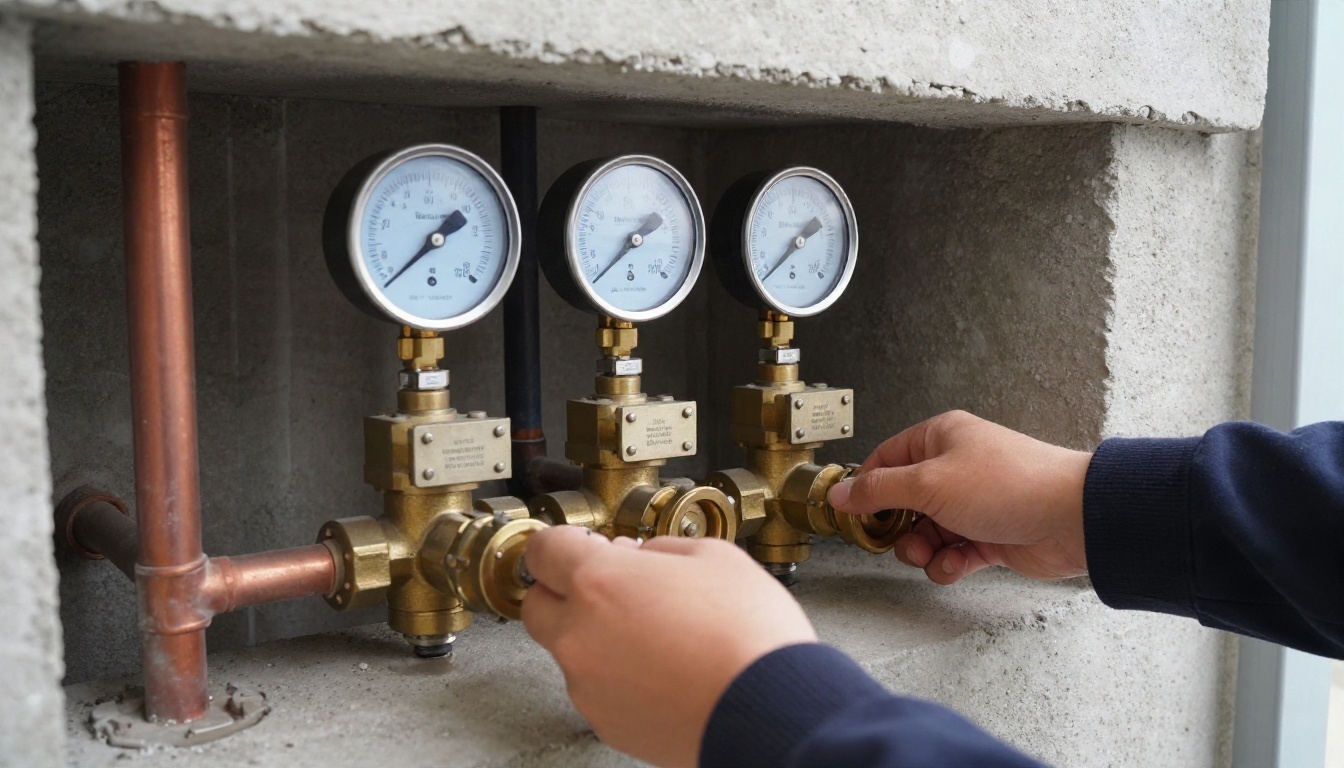
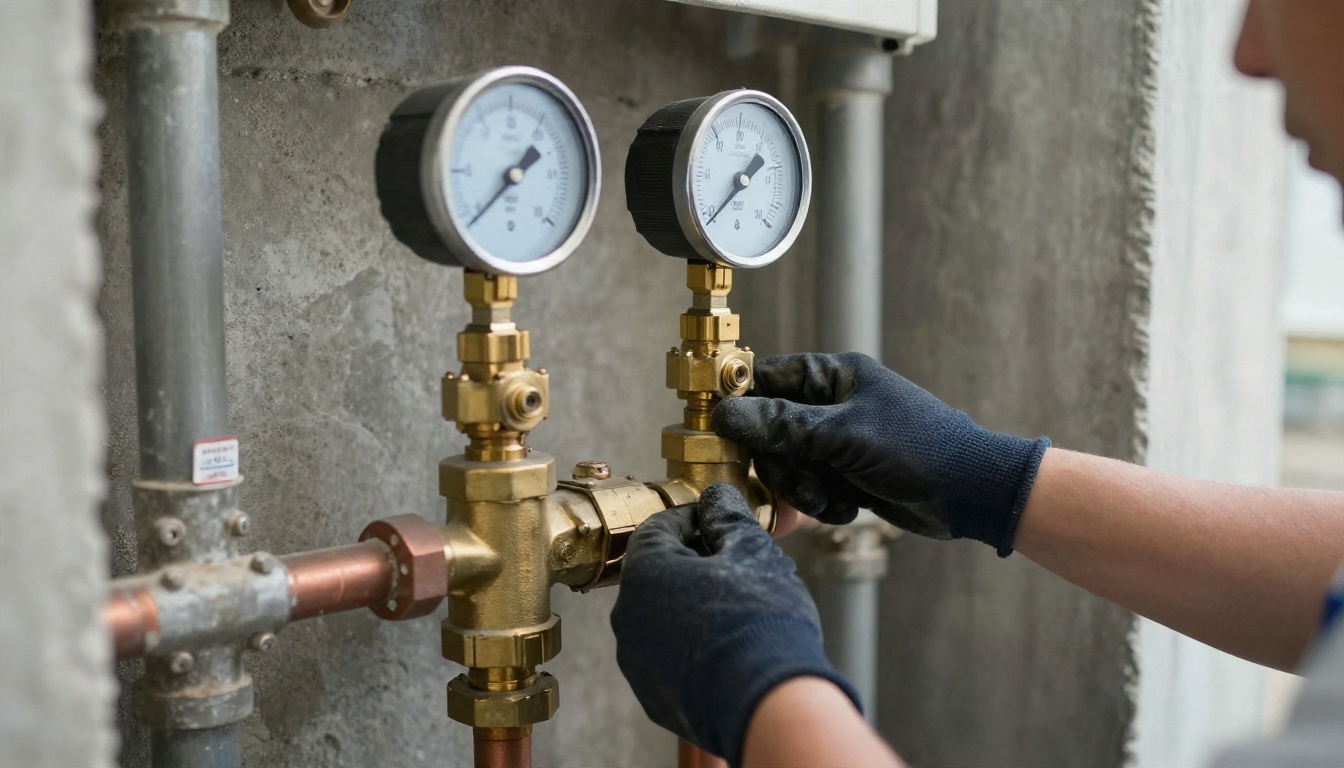
For buildings with recurring complaints, pressure should be measured, not guessed. A typical high-rise domestic system may be regulated floor by floor or zone by zone, with target pressures often in the 50 to 80 psi range depending on location and design. If pressures are already unstable, a shutdown may simply reveal an upstream issue with the PRV station, booster pumps or balancing. That is why PRV maintenance often belongs in the conversation before winter.
Drain or pipe condition where relevant
If the work involves repeated shutdowns because of recurring leaks or blockages, ask for visual evidence. A camera inspection can show whether a line is worth repairing again or whether the board is now spending operating dollars on a reserve-fund problem. The same logic applies if residents report repeated kitchen backups and the building has not maintained its kitchen stack cleaning cycle.
Repair, capital project, or maintenance issue: deciding what bucket it belongs in
This is where managers often need something defensible for the board minutes. Not every shutdown justifies a capital project, but repeated shutdowns around the same riser or valve group usually mean the issue has moved beyond routine repair.
Treat it as maintenance when:
- The valves isolate properly
- The repair is localized and not recurring
- There is no evidence of broad pipe deterioration
- The shutdown affects a small area and can be completed in one window
This is the lane for scheduled repairs and service, minor in-suite plumbing coordination, and annual preventive work.
Treat it as a project when:
- The same riser or branch has failed more than once in 12 to 24 months
- Sectional valves are unreliable or missing
- The building repeatedly needs large-area shutdowns for small repairs
- Pipe material is at or beyond expected service life
- Resident impact and staffing time are becoming material
That is when managers should ask whether the building is really dealing with a valve replacement, riser replacement, or even building re-piping discussion rather than another patch. Reviewing actual completed projects can help boards understand how similar buildings phased the work.
Cost ranges Toronto boards should budget for
These are rough GTA market ranges for planning purposes only. Building height, access, valve condition, after-hours scheduling, asbestos protocols, ceiling closures and resident coordination can move the number significantly.
| Scope | Typical budget range | How it is usually priced |
|---|---|---|
| Planned shutdown coordination for a small repair | $750-$2,000 | Service call, labour, isolation, restart |
| Sectional isolation valve replacement | $2,500-$7,500 per valve | Depends on size, access, drain-down, material |
| Whole-day riser shutdown support | $2,000-$5,000 per day | Labour and supervision, separate from project work |
| Domestic water riser replacement | $1,500-$3,500 per suite equivalent | Often rolled into stack/riser project pricing |
| Full valve audit and charting program | $3,000-$15,000+ | Depends on building size and valve count |
| PRV station maintenance or replacement | $2,500-$12,000+ | Based on valve size, bypass, gauges and access |
A useful budgeting insight: on many older condominium towers, the hidden cost of shutdowns is not just the plumber. It is management time, concierge time, resident complaints, elevator bookings, re-entry visits and post-restart service calls. Once a building is spending that overhead repeatedly, the math often shifts toward planned capital work.
Common element or in-suite responsibility: the question behind half the arguments
In condominiums, the plumbing question is rarely just technical. It is also about who pays.
As a general rule, the corporation is often responsible for common element piping such as risers, mains, PRV stations, backflow devices, sectional valves and shared drainage. Owners are often responsible for fixtures, faucets, toilets, owner alterations and some branch piping depending on the declaration. But there is enough variation between corporations that managers should resist giving a quick answer until the declaration is checked.
Two practical points matter:
- If a shutdown is required because a common-element valve will not isolate, the corporation usually cannot avoid dealing with that as a building issue.
- If the work serves one suite but is complicated by an owner renovation or Section 98 alteration, the corporation may still need to control the shutdown while preserving its right to charge back costs later.
That is why shutdown notices and contractor reports should be precise. A written record of what failed, what was isolated and what area was affected helps if the matter becomes an insurance or chargeback discussion under the Condominium Act, 1998 framework.
What happens if the building defers shutdown-related work
Not every recommendation is urgent. Sometimes the honest answer is that the building can wait until next budget year. But some shutdown warnings should not be parked indefinitely.
Deferral tends to lead to five predictable outcomes:
- Larger outage areas because local isolation keeps failing
- More emergency calls after hours, when costs are higher and options are fewer
- Higher flood risk if a leak cannot be isolated quickly
- More resident distrust because notices become frequent and inaccurate
- Reserve fund distortion when repeated operating repairs mask a capital problem
In fall, this becomes a board issue because next year’s numbers are being set now. If your building has had two or three disruptive domestic water shutdowns in one year, that is usually enough history to bring a structured recommendation to the board rather than waiting for another emergency. If the concern is immediate risk, emergency plumbing response should be paired with a follow-up plan, not treated as the plan itself.
FAQs
How much notice should a condominium give residents before a water shutdown?
For a planned domestic water shutdown, 48 to 72 hours is the minimum that works in most Toronto high-rises, but 5 to 7 days is better when access to suites, seniors, tenants or commercial units is involved. If the shutdown affects toilets, showers and kitchen use for more than 4 hours, boards and managers should also give a same-day reminder by email or lobby posting. Emergency shutdowns are different: the priority is damage control, then communication as soon as the building is stable.
What is a realistic shutdown window for riser or valve work in a condo building?
For a straightforward sectional valve replacement or tie-in, a typical shutdown window is 4 to 8 hours, often scheduled between 9:00 a.m. and 3:00 p.m. to avoid early-morning demand and evening resident return. Larger riser work in a 20- to 30-storey building can require repeated shutdowns over several days or weeks, usually one zone or one stack at a time. The mistake is promising a 2-hour outage before the contractor has confirmed valve condition, drain-down points and refill time.
Why do some shutdowns take much longer than the actual plumbing repair?
The repair itself may take 60 to 90 minutes, but drain-down, lockout, verification, refill, air purging and leak checks often take longer than the pipe work. In older Toronto and North York towers with 3-inch or 4-inch domestic risers and poor sectional isolation, it can take 30 to 90 minutes just to confirm that a valve is actually holding. Repressurizing too fast can also trigger water hammer, fixture cartridge failures and complaints about dirty water, so a controlled restart is not optional.
Who pays when a shutdown is needed for work serving one suite?
That depends on the declaration and what part of the system is being worked on. In many condominiums, the riser, branch piping up to a certain point, and common shutoff valves are common elements, while fixtures and owner alterations inside the suite are not. If a Section 98 alteration, illegal renovation or owner-installed valve creates the problem, managers should expect to review chargeback rights carefully before authorizing work.
Can a building avoid full shutdowns by using better sectional isolation?
Often, yes. A proper valve audit frequently shows that buildings are shutting down 80 to 200 suites because one floor valve is seized, untagged or missing. Replacing failed isolation valves and charting them by riser and floor can turn a whole-building outage into a 6- to 12-suite shutdown, which is usually where the return on that maintenance work becomes obvious.
What should a manager insist on from the contractor before approving a planned shutdown?
At minimum, ask for a written shutdown plan showing the affected area, valve locations, expected outage duration, suite access needs, refill procedure and who is responsible for resident notices. For anything more than a simple in-suite repair, managers should also ask for confirmation of valve condition, emergency contingency, and whether camera inspection or a valve replacement scope may be needed if the existing isolation fails. A one-line promise that ‘water will be off briefly’ is not a plan.
Next steps for boards and property managers
If your building has a shutdown coming up, or if residents are losing patience because the building keeps issuing last-minute notices, the first step is not to draft a better memo. It is to confirm the plumbing facts behind the memo.
A practical sequence looks like this:
- Review the last 12 to 24 months of shutdowns and identify repeat risers, repeat valves and repeat complaint areas.
- Confirm what is common element versus in-suite under the declaration before promising chargebacks.
- Have the affected valves, isolation points and restart procedure reviewed on site.
- If the building has not had one recently, consider a valve audit or targeted PRV maintenance review before winter.
- If kitchen and laundry lines are part of the seasonal workload, schedule kitchen stack cleaning and related maintenance before holiday loading starts.
If the stack, riser or valve issue is no longer routine maintenance, ask for a site visit and a written recommendation that the board can actually use in budget season. BMI attends the building before quoting, and for urgent failures there is 24-hour emergency response through the emergency plumbing team. For readers comparing options, there are also additional resources on the BMI blog and broader service information under repairs and service.
Contact BMI
- Contact BMI
- Phone: (416) 845-3756
- Emergency: (416) 845-3756, answered 24 hours a day
- Email: info@brial.ca
More on condominium plumbing
Signs Your Toronto Building Needs Riser Replacement
Learn the real riser replacement signs in Toronto condos, including pinhole leaks, pressure issues, costs, timelines and …
Valve Replacement Cost in Toronto Condo Buildings
Planning a valve program budget for a Toronto condo? Understand valve replacement cost, shutdown logistics, phasing, and …
Valve Exercise Programs in Toronto Condos: Why They Matter
A practical guide to valve exercise programs and valve maintenance for Toronto condos, with costs, timelines, shutdown …
Need a plumber in your building?
BMI services roughly 200 condominium and multi-residential buildings across Toronto and the GTA. Emergencies are answered at any hour.