Valve Age Failure in Toronto’s 1980s Condo Plumbing
Why valve age failure clusters in 1980s condo plumbing in Toronto, what to inspect, what it costs, and when replacement should make next year’s budget.
Valve Age Failure in Toronto’s 1980s Condo Plumbing
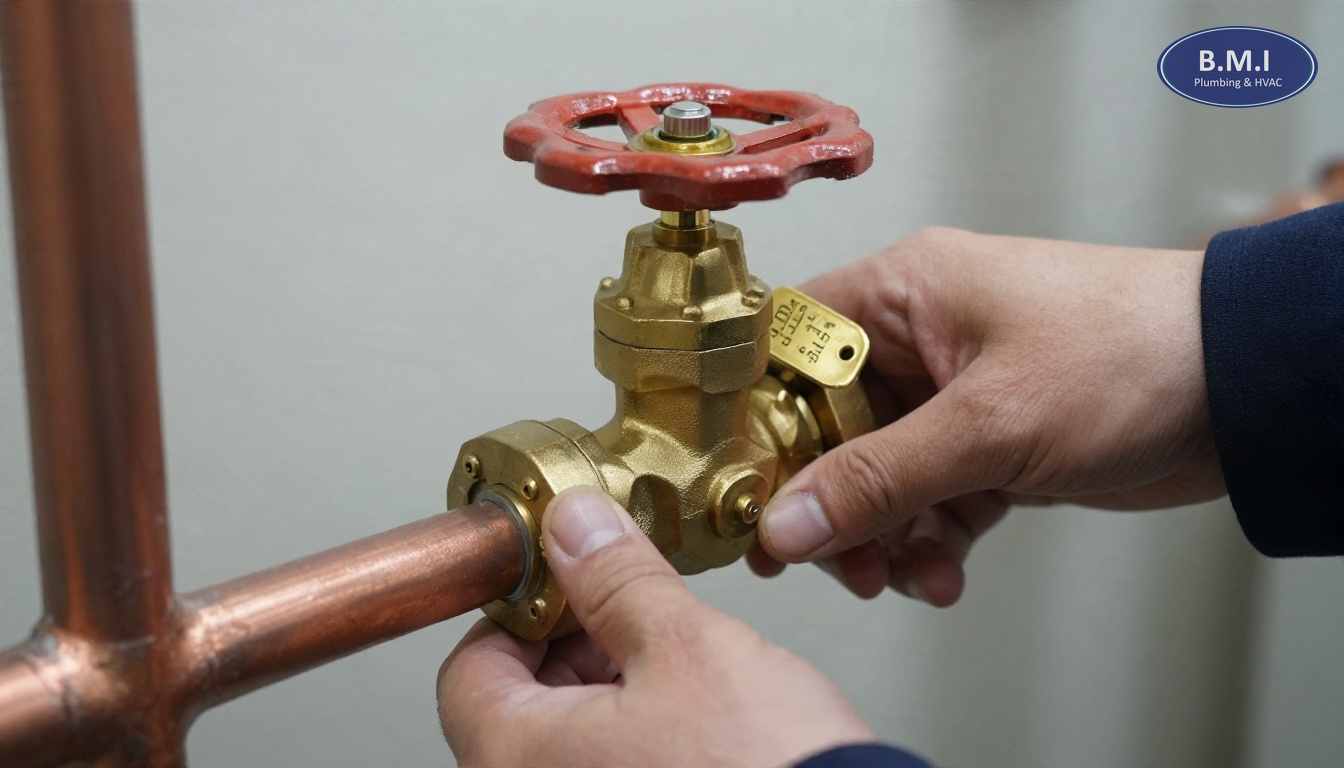
Quick summary: In older condominium buildings, valve failures rarely happen as isolated bad luck. In Toronto high-rises from the late 1970s through the 1980s, valves often fail in clusters because the same original components have reached the same age, under the same water pressure and operating habits, at the same time.
For a property manager or board, the practical issue is not whether one valve can be changed. It is whether the building still has reliable isolation when a leak starts at 2 a.m., whether a contractor can shut down one riser without taking out 80 suites, and whether next year’s budget should include a targeted replacement program instead of another year of emergency work.
A common mistake we see in Toronto, North York and Mississauga towers is treating each failed valve as a one-off service call. That is understandable in the moment, but it is usually the wrong lens. Once a building is 35 to 45 years old, a failed gate valve or drifting PRV is often a signal that the rest of that valve population needs to be tested, mapped and prioritized through a proper valve audit, not just replaced one at a time.
The pattern managers notice first: one leak becomes three shutdown problems
In budget season, boards often ask why valve work suddenly appears urgent when the building has “always managed.” The answer is that valves can look fine for years because most are almost never operated. A 3-inch domestic cold water sectional valve in a riser closet may sit untouched for 20 years, then the first time someone needs it for a suite leak, the stem snaps, the gate separates, or the valve closes halfway but still passes enough water to keep a line live.
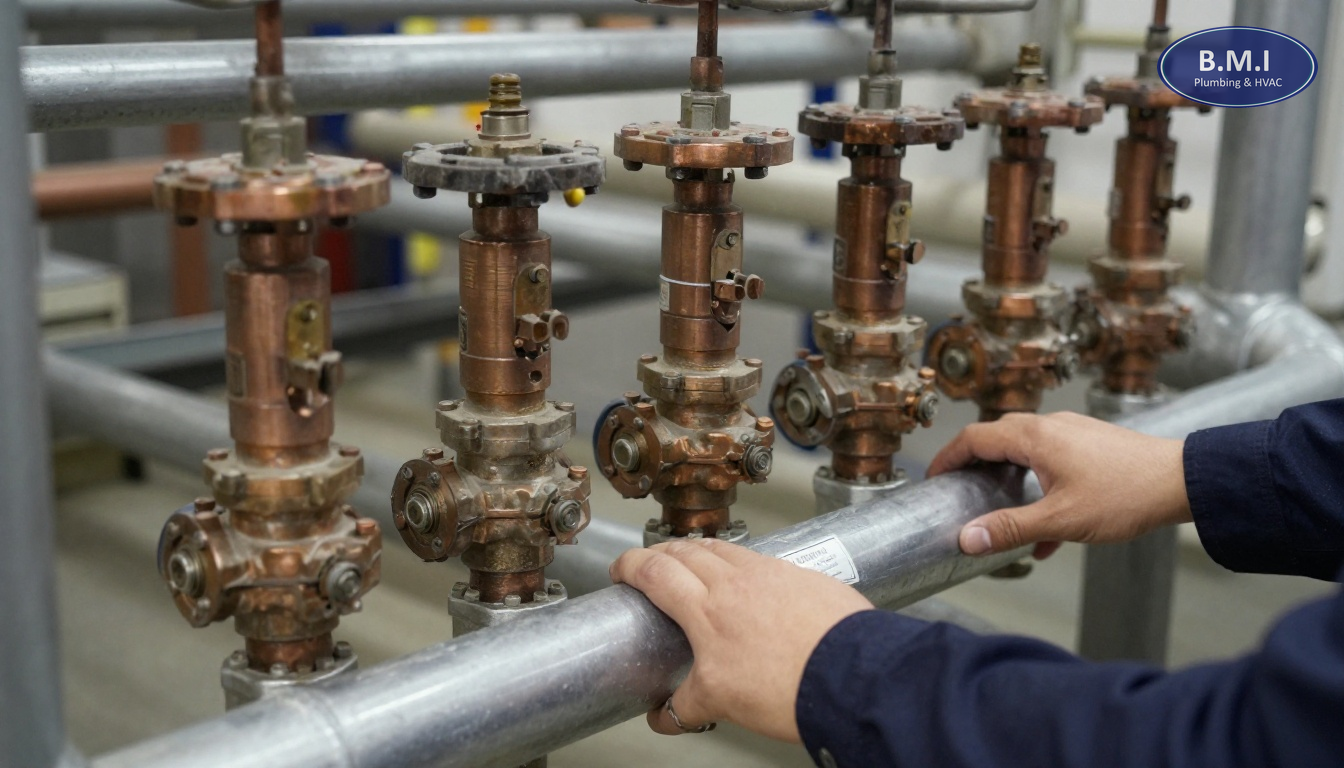
That is why valve age failure tends to cluster. The valve body may not be visibly leaking, but the internal wedge, seat, packing and stem threads have aged together. In early-1980s concrete high-rises in Scarborough and Etobicoke, it is common to find original brass or bronze gate valves that still turn but no longer isolate. On paper the building has sectional control. In practice it does not.
The financial consequence is larger than the valve itself. A failed isolation point can turn a 2-suite repair into a 20-suite shutdown, require after-hours notices, elevator protection, security coordination and overtime labour, and sometimes force water off to an entire vertical riser because no intermediate valve will hold. That is one reason a maintenance program is usually cheaper than repeated emergency improvisation, even when no one likes spending money on valves people never see.
Another pattern we see in 1980s condo plumbing is that once one critical valve is found seized, technicians start discovering undocumented workarounds from prior decades: abandoned bypasses, missing tags, replacement handles on original valve bodies, or branch lines that were capped years ago but never updated on the building’s drawings. A board deciding on capital spending should know this early, because the hidden cost in valve projects is often not the bronze or brass itself. It is the time spent finding out what actually isolates what.
Why 1980s buildings are especially vulnerable
The short answer is a combination of age, material, pressure and lack of exercise. But the building-age piece matters.
In Toronto and North York towers built in the late 1970s and 1980s, domestic water systems were commonly installed with copper risers, threaded brass or bronze valves, and larger mechanical-room isolation valves in 2-inch, 3-inch and 4-inch sizes. Some purpose-built rentals and older condominium towers also retained galvanized steel in portions of the system or at threaded assemblies. Many of those valves were good products for their time. The issue is that their service life is not indefinite, especially when they are left in one position for decades.
Three technical realities drive the clustering:
- Packing dries and hardens. Valve stems that are not exercised tend to bind. The first attempt to operate them often causes stem leakage at the packing nut or full seizure.
- Mineral scale and debris build up on seats. Toronto water is not unusually aggressive, but over decades it still leaves scale and corrosion by-products. A valve that has been open for 35 years may not seal once closed because the seating surfaces are rough or fouled.
- Pressure cycling accelerates wear at control valves. PRVs and balancing components do move during service. Over time, seats, diaphragms and springs wear, especially where street pressure fluctuates seasonally.
In buildings we service along the waterfront and in parts of downtown Toronto, incoming city pressure can vary enough that a tired pressure reducing valve becomes obvious in winter and shoulder seasons. A building that should be controlled at roughly 70 to 75 psi downstream may start creeping into the mid-80s or higher under low-flow conditions if the PRV seat is worn or debris is trapped. That does not always create an immediate flood, but it does increase stress on toilets, fill valves, braided connectors and suite shutoffs. This is exactly why fall is the right time to review PRV maintenance before winter pressure swings and holiday occupancy load.
A common mistake we see in early-1990s North York high-rises is assuming the problem is only at the PRV station because residents complain about noisy faucets or banging. Sometimes it is. But just as often, the root issue is a combination of unstable pressure and sectional valves that no longer allow the contractor to isolate the affected zone for diagnosis. The PRV becomes the visible symptom, while the failed isolation strategy is what makes the repair disruptive.
There is also a code-era factor. Many 1980s buildings were designed before current expectations around documentation, valve charting and maintainability became standard in condominium operations. Drawings may exist, but they often do not reflect 40 years of renovations, section 98 alterations, meter changes, booster modifications or branch reroutes. That is why a modern valve charting and exercise program is not administrative busywork. It is a way to recover control of an aging system.
What failure looks like in the field, not on a brochure
Managers usually do not get a call saying, “Your 3-inch gate valve is passing.” They get a complaint that sounds unrelated.
Typical reports in 1980s condo plumbing include:
- A contractor shuts down one line for a suite repair, but water continues to feed the fixture.
- A resident reports high pressure only at night, often with toilet fill valves hissing or faucets spitting air.
- A leak in one riser branch requires water off to multiple floors because no floor valve will hold.
- A valve handle turns freely but nothing changes at the fixture.
- A stem starts dripping after a valve is touched for the first time in years.
- The building operator believes a line is isolated, but a cut pipe still has residual pressure and active flow.
One non-obvious sign of valve aging is repeated damage to components that are not supposed to be the weak point. If a building is replacing unusually high numbers of toilet fill valves, dishwasher hoses or angle stops across multiple suites, the immediate cause may be fixture wear, but the system-level question is whether pressure control has drifted. In post-2010 glass towers, fixture parts can be more sensitive to pressure spikes because many are designed around lower-flow cartridges and flexible connectors. In older towers, the same pressure issue may show up instead as hammer, loose packing leaks or recurring faucet rebuilds. The common denominator is often inadequate pressure reducing valve maintenance.
Another field reality: not all valve failures are visible from the outside. We have seen 4-inch butterfly valves that look newer and operate smoothly but were installed without reliable identification, so no one is fully certain what branch they isolate. A newer valve without charting can still create the same operational problem as an old seized one. This matters when planning valve replacement, because replacing hardware without updating tags and as-builts only solves half the problem.
The inspection that gives a board defensible evidence
If you are going to ask a board for money, do not bring back “some valves are old.” Bring evidence.
A useful valve assessment in a condominium should include four things:
1. Physical inventory and tagging
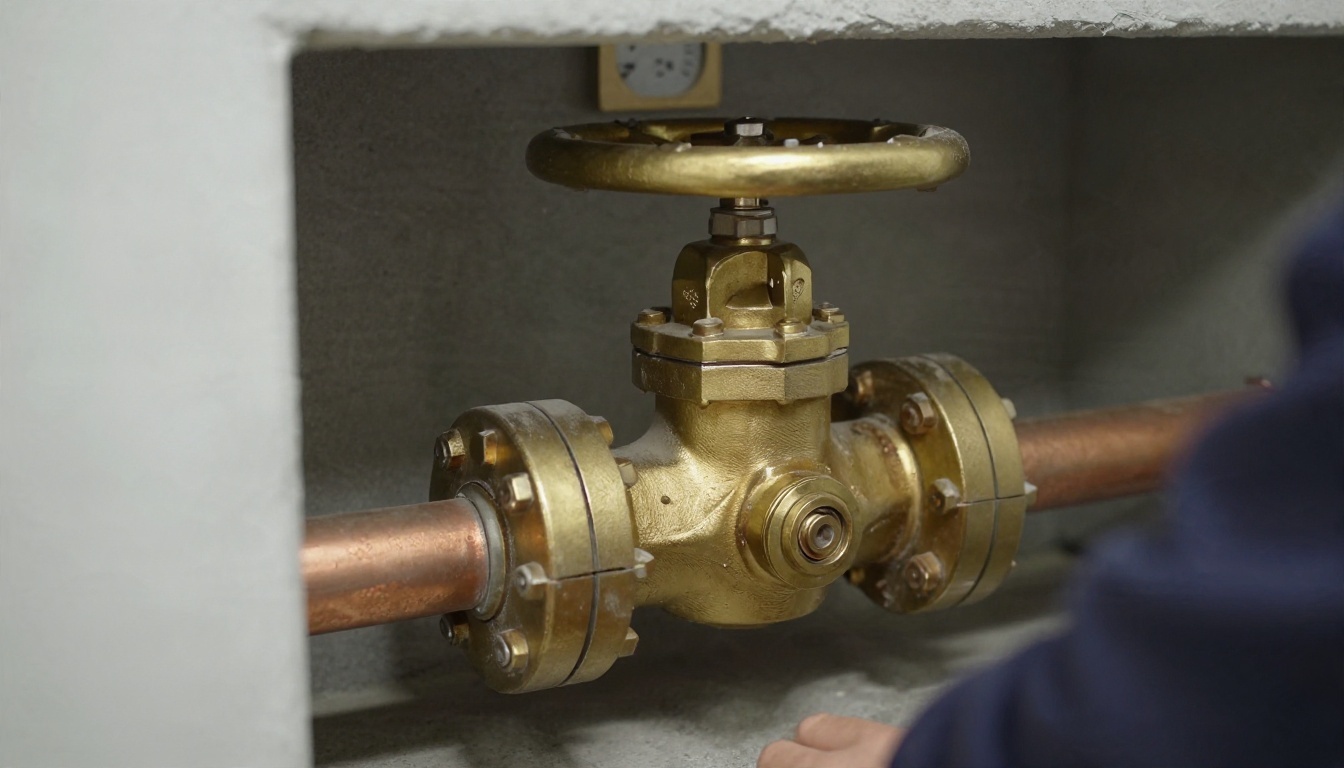
Every critical valve should be identified by location, size and service. That usually means domestic cold, domestic hot, hot water recirculation, make-up water, irrigation feed where applicable, and major branch isolation. On a 20- to 30-storey building, the number of meaningful valves can easily exceed 100 once riser closets and mechanical spaces are included. A proper valve audit separates “nice to know” valves from “if this one fails, the building loses control.”
2. Operability testing
This is where many superficial inspections fall short. The question is not whether a handwheel moves. The question is whether the valve can be safely operated and whether it actually isolates. For critical valves, the result should be recorded as one of the following: operable and holds, operable but passing, seized, not tested due to risk, or replacement recommended due to condition.
3. Pressure readings where control valves are involved
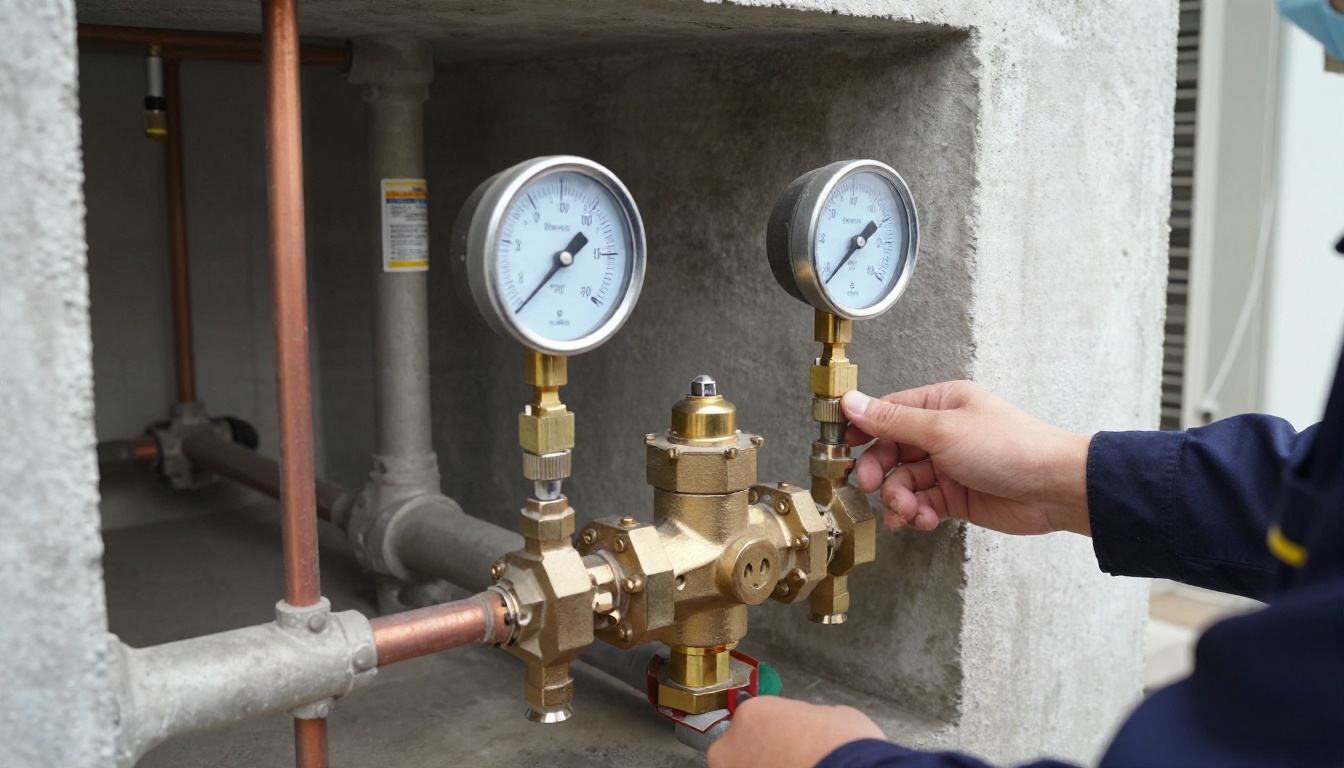
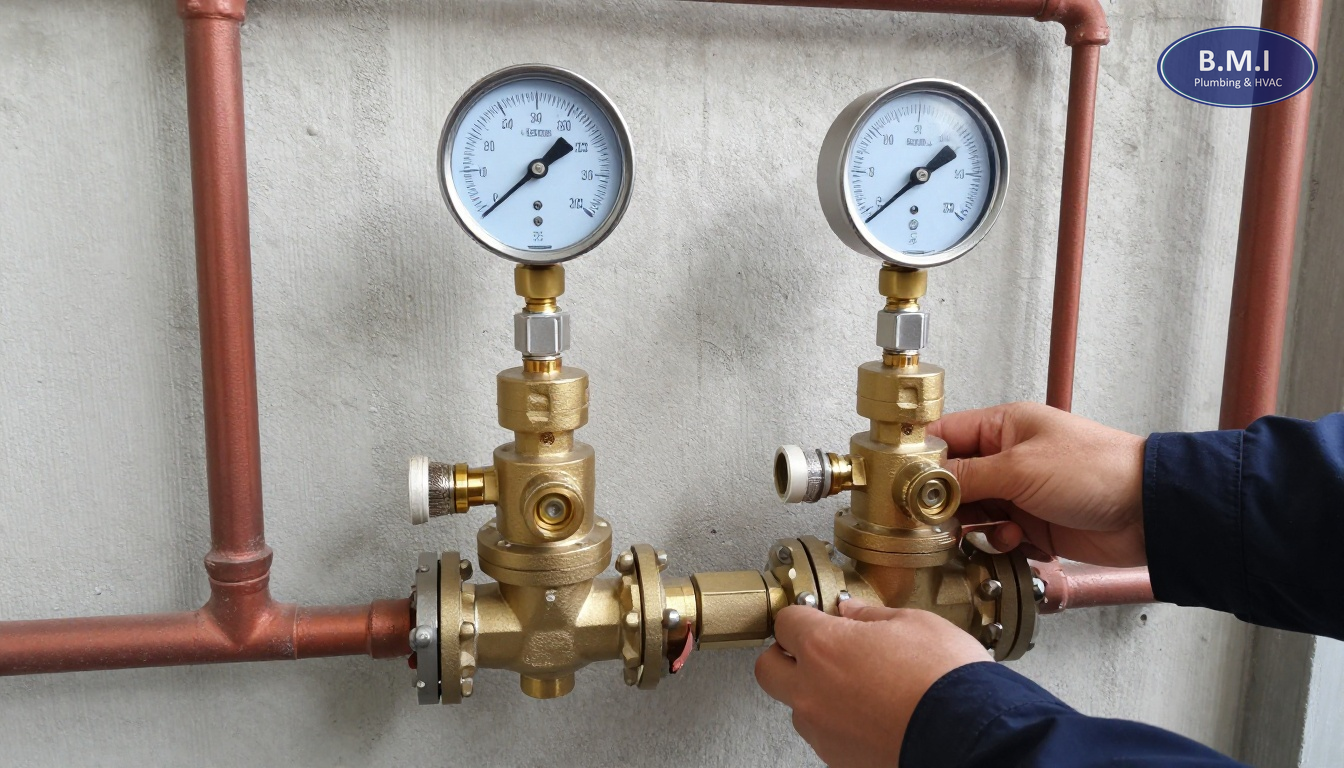
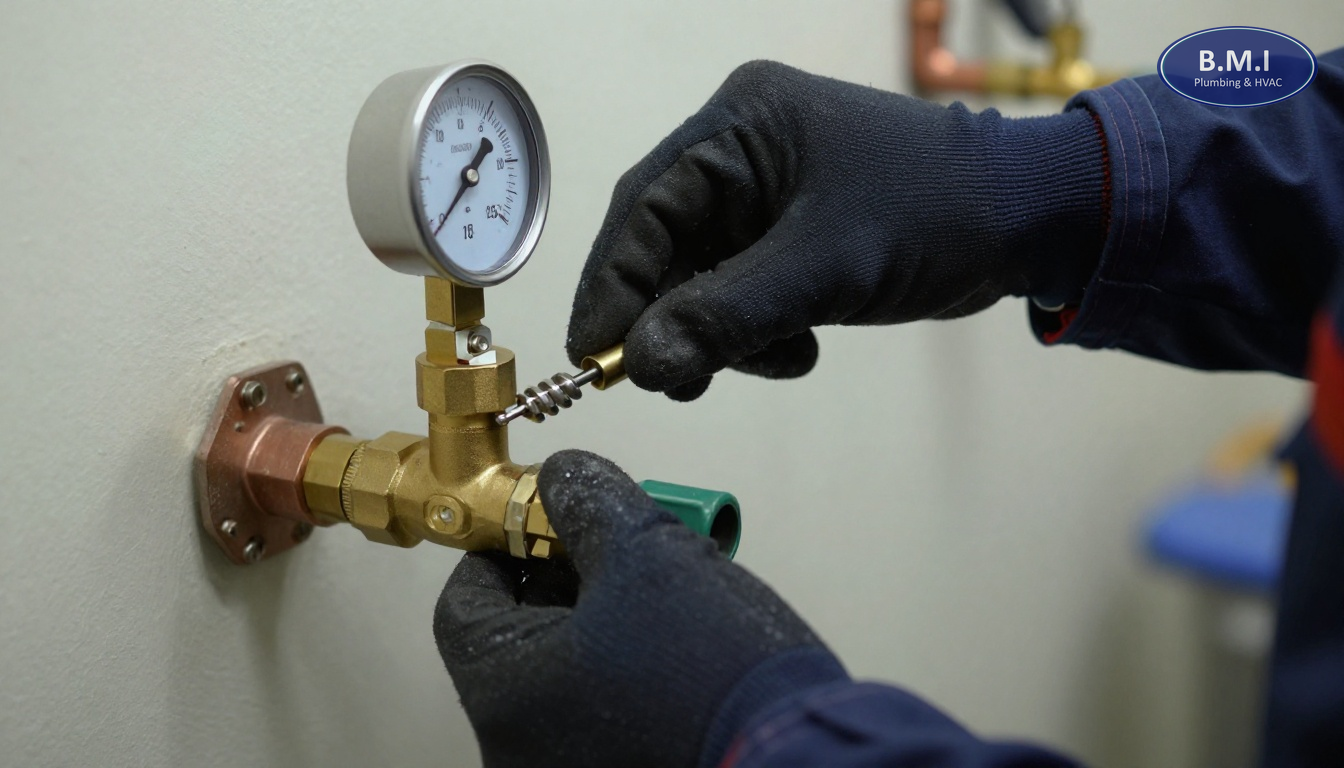
For PRV stations, insist on upstream and downstream readings both static and under flow. A downstream pressure of 72 psi at no flow can still be a problem if it creeps to 85 psi overnight, or if the valve cannot maintain pressure under morning demand. This is why boards should ask for actual numbers, not “PRV seems okay.” If pressure control is suspect, a PRV maintenance review should include gauges, setpoint verification and condition of strainers, bypasses and isolation valves.
4. A written prioritization, not a parts list
The report should classify valves by urgency:
- Priority 1: failed or non-operable valves affecting emergency isolation
- Priority 2: passing valves that undermine normal suite or riser work
- Priority 3: aging but serviceable valves to monitor or replace in a planned phase
If drain or sanitary isolation questions are mixed into the issue, or if there is uncertainty about stack condition around valve-access areas, pairing the work with a camera inspection or targeted drain cleaning can avoid opening the same spaces twice.
The best time for this work is fall, before freeze-related emergencies and before the holiday period loads up service schedules. In practical terms, a board that wants numbers for the next fiscal year should be testing in October or November, not discovering in January that no riser valve closes during a flood.
Repair, rebuild or replace: how to decide
Not every old valve needs immediate replacement. This is where honest planning matters.
When repair or rebuild makes sense
Repair can be reasonable when:
- The valve body is sound and accessible.
- The issue is limited to packing leakage or a replaceable operator component.
- The valve is a known, serviceable model with available rebuild parts.
- Failure is isolated rather than systemic.
This is more common with some PRV assemblies, where internal trim kits, diaphragms or seats may be replaced if the body is in good condition. It is less reliable with older gate valves that have worn internals or uncertain seat condition. A gate valve that “almost closes” is usually not a candidate for confidence.
When replacement is the better answer
Replacement is generally the better decision when:
- The valve is original and over 35 years old.
- It is seized, passing significantly, or the stem is compromised.
- It serves a critical isolation function for risers, mechanical room branches or PRV stations.
- The building has multiple failures of the same age and type.
- Access is already open as part of another capital project.
A common budgeting mistake is replacing only the one valve that stopped the immediate repair. In a 300-unit building, that often means paying for repeated shutdown logistics, repeated notices and repeated after-hours labour over the next 12 to 24 months. If three adjacent 3-inch riser valves are the same age and one has failed, replacing all three during one shutdown is often cheaper in total lifecycle cost than treating each one as a separate event.
This is especially true where valve work overlaps with larger capital planning. If your reserve fund study already anticipates domestic riser replacement, expansion compensator replacement or broader building re-piping, some valve work should be bundled. Sectional isolation points are not peripheral to those projects. They are what make phasing possible.
What valve replacement actually costs in the Toronto market
These are realistic GTA budget ranges, not quotes, and they vary with access, shutdown complexity, asbestos protocols, after-hours requirements and whether walls or ceilings need reinstatement by others.
| Scope | Typical Toronto-area range | Notes |
|---|---|---|
| Small accessible branch valve replacement | $600-$1,500 each | Usually 3/4" to 1-1/2", depends on access and whether the line fully isolates |
| Suite shutoff or local branch valve replacement | $700-$1,800 each | Often includes coordination with in-suite plumbing access |
| 2" to 4" domestic sectional valve replacement | $2,500-$8,000 each | Strongly affected by shutdown size, valve type, and whether a line freeze or temporary controls are needed |
| Main mechanical-room isolation valve replacement, 4" and up | $5,000-$15,000+ | Can rise quickly if multiple crews, overnight shutdowns or bypass arrangements are needed |
| PRV station rebuild | $2,500-$7,500 | Only where the body is serviceable and parts are available |
| PRV station replacement | $8,000-$25,000+ | Depends on size, redundancy, gauges, bypass and code-related upgrades |
| Building-wide valve audit and charting | $3,000-$15,000+ | Depends on valve count, access and documentation depth |
A detail boards often miss: the valve itself is rarely the largest cost. On many projects, the expensive parts are labour, access, controlled shutdowns, resident coordination, and the contingency created by uncertain isolation. If a contractor cannot trust upstream valves, the replacement of one 2-inch valve can become a broader operation.
In older towers in Vaughan and Markham, we also see cost variation based on whether the riser closets are consistently laid out floor to floor. Buildings with uniform access panels and documented valve locations are materially cheaper to work in than buildings where every third floor has millwork modifications, owner alterations or blocked access. That is one reason section 98 alterations matter operationally, not just legally. A poorly documented owner alteration can turn a routine valve replacement into a multi-trade access problem.
Scheduling, shutdowns and resident notice: the part boards underestimate
Valve projects fail administratively before they fail technically.
For a mid-rise or high-rise condominium, the logistics usually include:
- advance valve testing before the actual replacement day
- resident notices, often 48 to 96 hours minimum, though many managers prefer 5 to 7 days for clarity
- elevator booking and protection if materials move through residential areas
- security and concierge coordination
- after-hours or daytime shutdown planning
- confirmation of access to riser closets, mechanical rooms and affected suites
On a straightforward mechanical-room valve replacement, the plumbing work itself may take 4 to 8 hours. The building effort around it can easily exceed that. For riser-related valve work, a crew might complete 2 to 6 replacements in a day if access is good and isolation is reliable. If not, one difficult valve can consume the shutdown window.
That is why fall planning matters. Before winter, you want to know whether your critical isolation points work. If they do not, a burst pipe or failed fixture stop in December becomes much harder to control, and you may end up relying on emergency plumbing response for a problem that should have been discovered on a schedule.
A practical note for managers: if the building has not had a recent valve audit, do that before tendering a broad replacement package. Otherwise bidders will price uncertainty, or worse, underprice it and recover time through change orders once they discover what actually isolates what.
What happens if you defer it
Sometimes deferral is reasonable. Sometimes it is expensive.
If the building has tested its critical valves, documented operability, and confirmed stable pressure control, a board may reasonably phase replacement over 1 to 3 budget cycles. That is often the right move where the reserve fund is balancing larger items such as envelope work, garage restoration or domestic riser replacement.
Deferral is riskier when:
- emergency isolation valves are seized or unverified
- PRVs are drifting or downstream pressure is unstable
- prior repairs already required larger-than-necessary shutdowns
- the building has a history of flood claims or high deductibles
- the declaration makes common-element responsibility clear, but the corporation lacks the means to isolate and limit damage
Under the Condominium Act, managers and boards already know the awkward question that follows a flood: was the cause common element, standard unit, or owner alteration? Failed common-element valves complicate that discussion because they can enlarge the damage footprint even when the originating leak started in a suite. In other words, a corporation may not have caused the initial leak, but if it cannot isolate the line promptly because valves are non-functional, the claim gets larger.
There is also a reserve fund angle. Repeated unplanned valve failures are exactly the type of recurring capital symptom that should inform the next reserve fund study update. If the building keeps paying operating-budget emergency invoices for components that are clearly aging out, it can distort both maintenance budgeting and long-term capital planning. This is where a documented project solutions roadmap is more useful than another reactive work order.
One final point that is often missed: valve failure does not just affect plumbing emergencies. It affects every future project. If you cannot isolate zones cleanly, then stack cleaning, suite repairs, PRV work, booster maintenance, and even some backflow prevention tasks become more disruptive and more expensive.
A practical decision framework for boards this fall
If your building was built in the 1970s, 1980s or early 1990s, use this framework before next year’s budget is finalized:
- Ask when critical valves were last tested under operating conditions. If the answer is unknown, that is your first problem.
- Confirm whether the building has a current valve chart. If tags do not match drawings, assume the drawings are partly wrong.
- Review pressure history. If residents report high pressure, hammer, repeated fill-valve failures or night-time noise, include the PRV station in the review.
- Separate emergency isolation valves from convenience valves. Not every old valve is urgent, but every emergency isolation point is.
- Bundle intelligently. If you are planning stack cleaning, riser work or ceiling access for another project, coordinate valve replacements while areas are open.
- Get evidence suitable for a board package. That means photos, sizes, locations, operability status, pressure readings and a phased budget.
For many GTA condominiums, the right next step is not immediate wholesale replacement. It is a building-specific valve audit followed by phased valve replacement where the evidence supports it. If the audit shows only a few weak points, that is good news. If it shows systemic aging, the board can act before the next emergency forces the schedule.
For examples of how these projects are typically approached in occupied buildings, the BMI project portfolio and the broader repairs and service work categories help frame what is maintenance versus what is capital.
FAQs
Why do valve failures seem to happen all at once in 1980s condo buildings?
Because most original valves were installed during the same construction window and have aged under the same pressure, temperature and water conditions for 35 to 45 years. In Toronto, North York and Scarborough high-rises from that era often still have original gate valves, balancing valves and PRV stations, so once one starts seizing or passing, others of the same make and age are usually close behind.
What valves usually fail first in an older condominium?
The first trouble is commonly at sectional isolation valves that have not been exercised, and at pressure reducing valves that have worn seats or debris damage. In many 1970s and 1980s concrete towers, 2-inch to 4-inch gate valves on domestic risers and 3/4-inch to 1-1/2-inch suite branch valves are the most likely to seize, while PRVs on incoming services often drift above their intended 70 to 80 psi setpoint.
How can a property manager tell whether a valve is actually serviceable?
Do not rely on a handle turning a quarter turn or a few spins. A proper assessment means operating the valve under controlled conditions, confirming whether it fully isolates, checking for stem leakage, and documenting the result in a written report; for pressure control equipment, it also means taking upstream and downstream pressure readings with the system flowing and static.
Should a building repair isolated bad valves or budget for a wider replacement program?
If one or two valves failed after a specific repair, isolated replacement may be enough. If a valve audit shows a meaningful failure rate, for example 20 to 30 percent of critical domestic isolation valves not holding, it is usually more economical to plan a phased replacement program than to keep paying for emergency shutdown work, flooded suites and aborted repairs.
What does valve replacement typically cost in Toronto-area condo buildings?
As a realistic market range, small accessible branch valve replacements may run roughly $600 to $1,500 each, while 2-inch to 4-inch domestic sectional valves in mechanical rooms or riser closets often land between $2,500 and $8,000 each depending on shutdown complexity, access and whether asbestos-containing materials are present nearby. A full valve audit and charting program for a mid-size condominium can range from a few thousand dollars to well over $10,000 depending on valve count, and PRV station replacement commonly falls in the mid-four to low-five figures.
Can valve work wait until next year if the building is not currently leaking?
Sometimes yes, but only if you have evidence. If critical isolation valves still operate and hold, and the PRV station is maintaining stable pressure, a board may reasonably defer replacement 6 to 12 months and budget it properly; if valves are seized open, passing badly, or pressure is spiking above roughly 85 psi in upper-demand periods, deferral usually increases both repair cost and insurance exposure.
Next steps for Toronto condo boards and managers
If your building dates from the 1980s and no one can say with confidence which valves hold and which do not, that uncertainty is the issue to fix first. Before winter and before next year’s budget is locked, have the critical domestic water isolation points and PRV stations reviewed, tested where appropriate, and documented.
If the building has not had a recent valve review, BMI can attend site before quoting and help separate what is urgent from what can wait. For many buildings, the right move is not a full replacement project tomorrow. It is a documented plan: test the critical valves, identify the failures, phase the replacements, and line that work up with other access-heavy projects already coming through the reserve fund.
If your team is also planning fall preventive work, it often makes sense to coordinate valve review with other scheduled items such as kitchen stack cleaning, backflow prevention testing, or broader maintenance programs. That gives the board one clearer operational picture instead of three separate service conversations.
For buildings already dealing with an active leak, failed shutoff or pressure-control issue, 24/7 emergency plumbing response is available. For everyone else, this is exactly the kind of issue that is cheaper to understand in October than to discover in January.
You can also review more condominium-focused articles on the BMI blog.
Contact BMI
- Contact BMI
- Phone: (416) 845-3756
- Emergency: (416) 845-3756, answered 24 hours a day
- Email: info@brial.ca
More on condominium plumbing
Valve Audit Toronto: Why Every Condo Building Needs One
A practical guide to valve audit and valve charting condo programs in Toronto, with costs, timelines, shutdown planning …
Building Pressure Test in Toronto: What the Numbers Mean
A practical guide to building pressure test results, water pressure reading patterns, costs, and next steps for Toronto …
PRV Failure Symptoms in Toronto Condo Buildings
Learn the real PRV failure symptoms behind condo water pressure problems, with Toronto cost ranges, testing steps and …
Need a plumber in your building?
BMI services roughly 200 condominium and multi-residential buildings across Toronto and the GTA. Emergencies are answered at any hour.