Valve Audit Toronto: Why Every Condo Building Needs One
A practical guide to valve audit and valve charting condo programs in Toronto, with costs, timelines, shutdown planning and common element insights.
Valve Audit Toronto: Why Every Condo Building Needs One
Quick summary: A valve audit is not a paperwork exercise. It is the process of proving which valves in a condominium building actually work, what they isolate, and how fast staff or a plumber can shut down a leak without taking out half the tower. In Toronto, especially in 1970s to early-1990s high-rises, the most expensive part of a plumbing emergency is often not the failed pipe but the 45 minutes spent guessing which valve to close.
A common mistake in budget season is to treat valve charting as optional administration. In practice, a building without current valve records is one failed riser branch or one leaking PRV bypass away from an unnecessarily large flood, a longer after-hours shutdown, and a much weaker position with owners asking why common element maintenance was deferred.
The misconception that causes the problem
Many boards assume the building already “has valves,” so there is nothing to review until one breaks. That is like assuming a fire alarm plan is complete because pull stations exist. A valve audit answers three different questions that are rarely answered by old as-builts alone: where the valves physically are, whether they operate, and what they actually isolate today after 20 or 30 years of repairs, renovations and undocumented changes.
In older Toronto, North York and Etobicoke towers, the original mechanical drawings are often directionally useful but not operationally reliable. Riser labels may have changed, branch connections may have been altered during corridor or suite renovations, and shutoff valves may be hidden above bulkheads, behind access panels, or inside riser closets that were later finished around them. We regularly find valves that are shown on drawings but no longer accessible, and just as often find valves in the field that never made it onto the issued record set.
The other misconception is that a valve only matters if it leaks. In multi-residential buildings, the more expensive failure mode is the valve that looks fine until an emergency, then will not close, will not reopen, or closes only 80 percent and keeps feeding a leak. That is why maintenance programs for condominiums treat valves as emergency control points, not passive hardware.
What a valve audit actually includes
A useful audit goes beyond putting numbered tags on handles. It is a field exercise with a written deliverable that building staff can use at 2 a.m. without calling three different contractors.
The core scope
A proper valve charting condo program usually includes:
- Identification of accessible valves by system and location
- Permanent tagging or relabelling where existing tags are missing or unreadable
- Exercising valves where safe to do so
- Recording whether each valve is operable, partially operable or failed
- Documenting what each valve isolates
- Producing a valve schedule and site map or floor-by-floor chart
- Flagging priority replacements and inaccessible valves
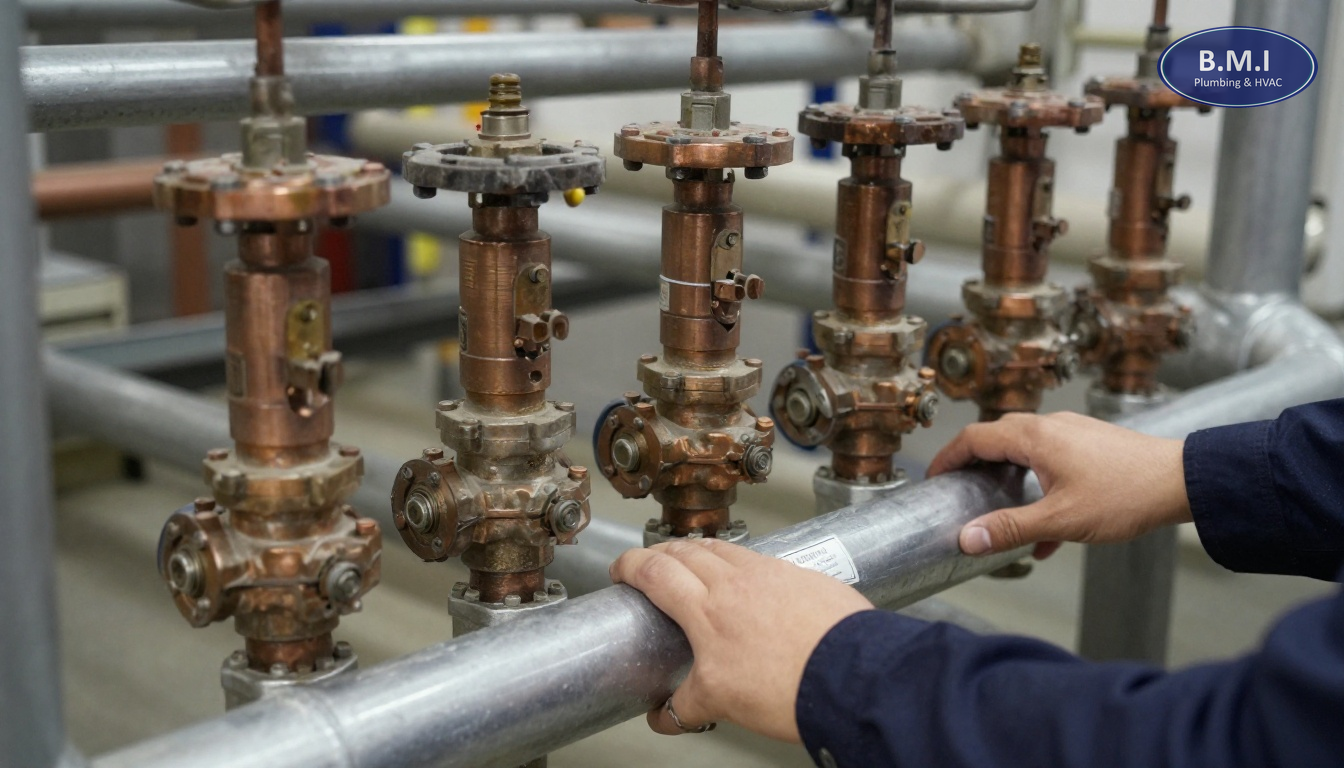
In a typical 20- to 30-storey Toronto tower, that can include domestic cold water, hot water, hot water recirculation, booster set isolation valves, pressure reducing valve maintenance stations and bypasses, backflow preventer shutoffs, irrigation and hose bibb branches, garage or penthouse mechanical room branches, and sectional riser valves. If the building has never had a formal review, the first pass often uncovers 10 to 30 percent of valves with either missing identification or uncertain function.
Which valves matter most
Not all valves have equal value in an emergency. The highest-priority valves are the ones that let you isolate a small area quickly:
- Main incoming water service shutoffs
- Upstream and downstream shutoffs at the backflow prevention assembly
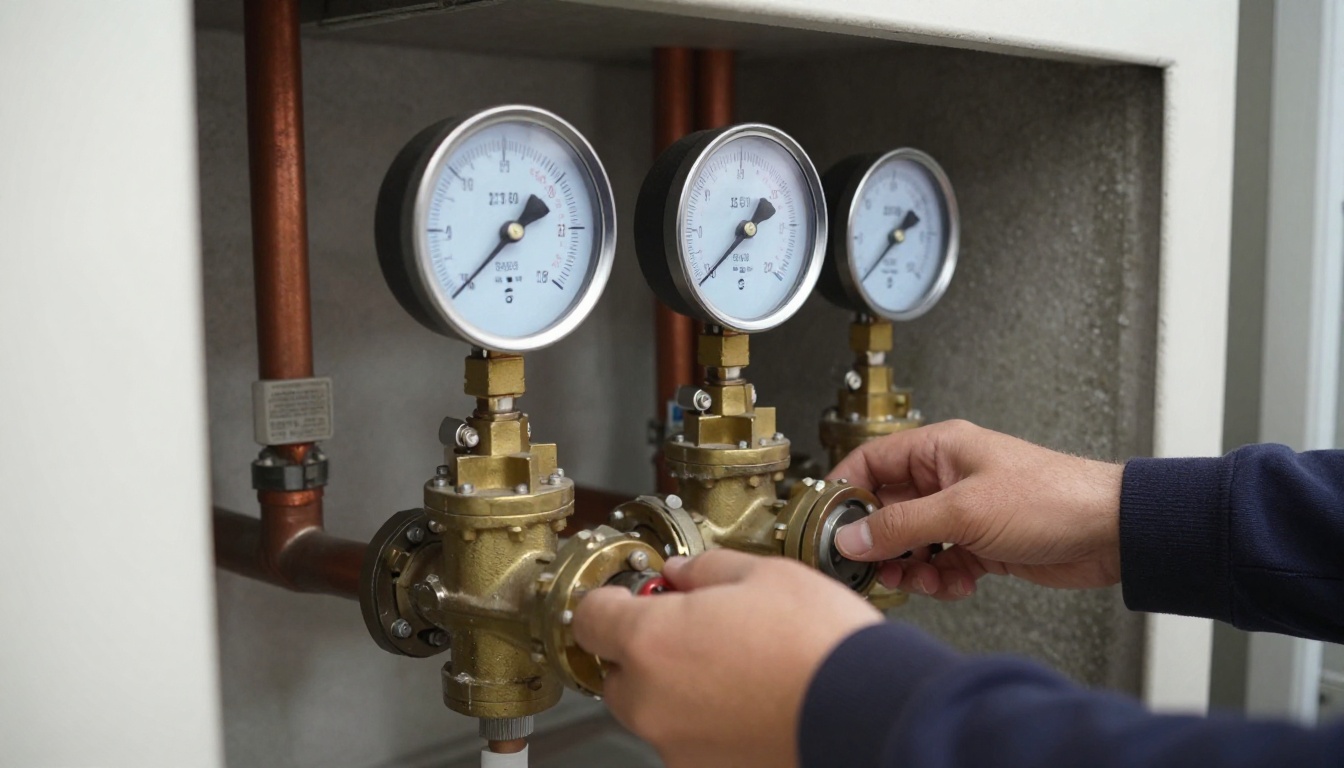
- Booster pump and PRV station isolations and bypasses
- Domestic hot, cold and recirculation riser sectional valves
- Branch valves serving amenity spaces, irrigation and hose bibbs
- In-suite or corridor-level isolations where the corporation maintains them
One insight many boards miss: a building can have a perfectly good main shutoff and still be poorly protected. If the only reliable valve closes water to 250 suites, every minor repair becomes a major shutdown. On a 300-unit building, the difference between one working main and a properly sectionalized system is the difference between a 4-hour notice to the entire tower and a targeted 8-suite shutdown on one line.
Why valves become a hidden liability in GTA buildings
The failure pattern depends heavily on building age and original material.
1970s and 1980s concrete high-rises
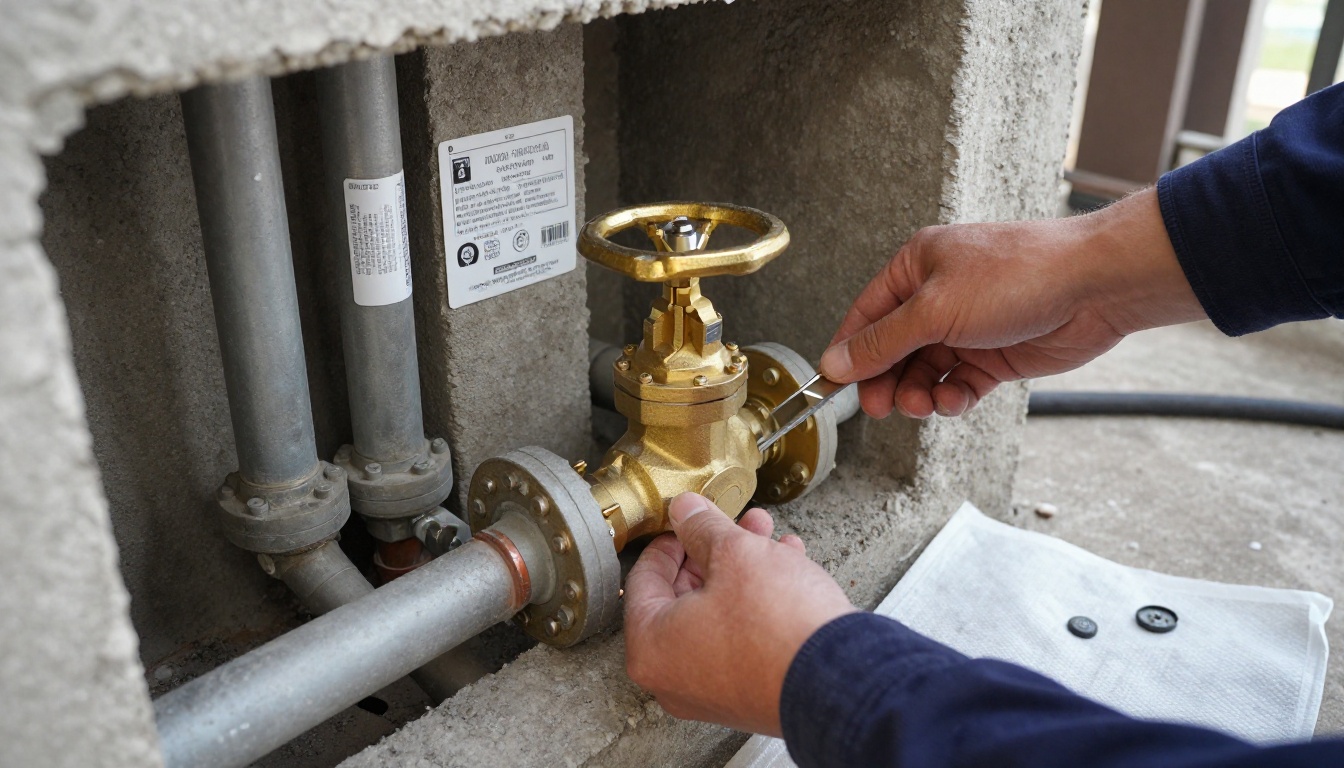
In many older Toronto and Scarborough towers, domestic piping may be copper with a mix of original gate valves, later ball valve replacements and occasional butterfly valves on larger lines. The weak point is often the original gate valve: the stem turns, but the gate is jammed with scale or has detached internally. A non-expert sees a handwheel that moves and assumes the line is closed. In reality, the valve may still be passing enough water to keep feeding a leak on a 2-inch or 3-inch riser.
We also see a lot of valve packing leaks once old valves are disturbed after years of sitting untouched. That is why a valve exercise program has to be selective and planned. Simply sending someone around to crank every old valve can create more leaks than it prevents if the building has not assessed condition first. This is one reason a field-led repairs and service review matters more than a spreadsheet update.
Early-1990s towers
A common mistake we see in early-1990s North York high-rises is assuming the original sectionalization is still adequate because the building is “not that old.” At 30-plus years, many branch valves are already beyond reliable service life if they were never exercised. In these towers the issue is often not severe corrosion but frozen stems, inaccessible access panels, missing labels and renovations that left corridor valves boxed in.
Kitec-era and late-1990s to mid-2000s buildings
Buildings in Mississauga and Vaughan built during the 1995-2007 period often have a different challenge: suite-level piping may have been partly remediated over time, but the isolation logic is now inconsistent. One riser may have modern brass ball valves, another may still rely on original hardware, and a third may have undocumented rerouting from prior Kitec replacement work. In those buildings, the audit is as much about confirming the current system layout as testing valves.
Post-2010 towers
Newer glass towers generally have better sectionalization, but they are not exempt. We still find unlabelled valves in crowded ceilings, PRV stations with no current operating notes, and amenity or retail branches that building staff are hesitant to touch because nobody wants to guess wrong. The risk in newer buildings is less about corrosion and more about complexity and turnover of site staff.
How valve problems show up in real building operations
Property managers rarely call and say, “We need a valve audit.” They call after symptoms appear.
Typical warning signs include:
- A leak in one suite requires shutting water off to an entire vertical line because nobody knows the correct branch valve
- Staff believe a valve is closed, but fixtures continue flowing 5 to 20 minutes later
- A contractor opens a ceiling and finds valves with no tags or with tags that do not match the old chart
- The building has repeated after-hours calls where the first 30 to 60 minutes are spent tracing isolation points
- A domestic water shutdown notice routinely goes to too many suites because the system cannot be isolated narrowly
- A PRV or booster pump repair cannot proceed cleanly because bypass and isolation valves are undocumented or seized
One very specific clue: if a bathroom repair in one stack consistently requires shutting domestic water to two adjacent risers, there is a good chance the chart is wrong or cross-connections were introduced during previous work. That is exactly the kind of issue a field verification catches before a larger project like riser replacement or valve replacement starts.
Another clue comes in the fall. As buildings in Toronto, Markham and Richmond Hill prepare for winter, operators often need to isolate hose bibbs, irrigation branches and exposed parking-garage lines. If that simple seasonal shutoff turns into a trial-and-error exercise, the building does not have a valve problem in theory. It has one in operation today.
What a defensible valve audit report should contain
If a contractor says they can “check your valves” in a morning and sends back a one-page list, that is not enough for board-level decision-making. A defensible report should let management explain both current risk and next steps.
At minimum, insist on:
- A valve schedule with unique identifiers
- Exact locations, not just “mechanical room”
- System type: DCW, DHW, HWR, PRV bypass, booster suction/discharge, irrigation, etc.
- Valve type and approximate size, such as 3/4-inch ball valve, 2-inch gate valve, 4-inch butterfly valve
- Operability status: operational, stiff, partial closure, inoperable, inaccessible, or not verified
- Control description: what line, riser or area the valve isolates
- Priority recommendations for replacement or access improvement
- Updated charting suitable for building staff use
Where the system layout is unclear, a camera inspection is sometimes part of the broader plumbing review, especially if the same shutdown planning ties into stack or drain work. If the audit identifies that a valve cannot be tested without a shutdown, the report should say that plainly rather than pretending it was verified.
The best reports are operational documents, not just asset lists. They tell you which valves are critical for emergencies, which ones should be replaced before winter, and which ones can wait until the next capital cycle. Sometimes the honest answer is that a non-critical amenity branch valve can wait a year, while the riser isolation serving 18 floors should not.
Repair, replace or just chart it: a practical decision framework
Not every bad valve needs immediate replacement, and not every working valve should be left alone.
When charting alone may be enough
Charting may be enough for now when:
- The valve is accessible, clearly identified and operates fully
- It serves a non-critical branch with another upstream isolation option
- The building is already planning a larger mechanical project within 12 to 18 months
- Replacement would require disruptive after-hours shutdowns with little operational benefit today
When replacement should be prioritized
Move faster when:
- The valve is on a domestic riser or PRV station
- It fails to isolate fully or cannot be exercised
- It is the only practical control point for a large zone
- It is buried behind finishes and would be difficult to reach during a flood
- The building has an upcoming expansion compensators, riser, or booster-related project that depends on reliable isolation
In most condo buildings, replacement strategy should focus first on the valves that reduce shutdown footprint. A single 2-inch or 3-inch sectional valve replacement may provide more practical value than replacing five small low-risk branch valves. That is why valve replacement decisions should be tied to emergency response logic, not just age.
Gate valve versus ball valve versus butterfly valve
For smaller domestic lines, modern full-port brass ball valves generally provide a much more reliable shutoff than old gate valves and are easier to verify in the field because handle position indicates open or closed. On larger lines, butterfly valves are common and appropriate, but they need proper access, labelling and periodic exercise. The point is not that one valve type is universally best. The point is that the building should know what is installed, whether it can be operated, and what spare parts or shutdown conditions those valves require.
What a valve audit costs in Toronto, and why the cost is usually justified
Costs vary with building size, age, accessibility and how much verification is possible without shutdowns. These are Toronto-market planning ranges, not quoted prices.
| Scope | Typical range | Notes |
|---|---|---|
| Small condo or townhouse complex valve audit | $2,500-$4,500 | Usually one mechanical room, limited riser complexity |
| Mid-rise or smaller high-rise audit and charting | $4,000-$8,500 | Multiple systems, common area access, moderate tagging |
| Large high-rise with multiple zones/mechanical rooms | $7,500-$18,000+ | More risers, branch valves, parking and rooftop systems |
| Individual small valve replacement | $350-$900 | Typical 3/4-inch to 1-inch accessible brass valve |
| Larger sectional valve replacement | $1,500-$5,000+ | Depends on size, material, shutdown complexity and hours |
| After-hours shutdown premium | 15%-35% above daytime work | Common where resident impact must be reduced |
What boards often miss is the cost comparison against one uncontrolled leak. A single after-hours flood affecting corridors, elevator lobbies and multiple suites can exceed the cost of an audit very quickly once drying, restoration, security dispatches and deductible exposure are included. Even if the plumbing repair itself is modest, the building pays for lost time when the wrong valves are tried first.
There is also a project cost angle. Before a building re-piping, riser replacement or PRV station rebuild, current valve charting reduces tender uncertainty. Contractors price less contingency when they can see how the building isolates. That does not always show up as a line item, but it affects the total number.
Timelines, access and how the work is scheduled
A valve audit is usually less disruptive than people expect, but it still needs coordination.
Typical duration
- Small townhouse or low-rise complex: 1 to 2 days
- Mid-rise building: 2 to 4 days
- Large 25- to 40-storey high-rise: 4 days to 2 weeks depending on systems and access
On a 300-unit building, the field portion often moves quickly through main mechanical spaces, but the time expands when riser closets are locked, access panels are concealed, or previous renovations have obscured valves. The report preparation and chart cleanup usually follow within days after the field review, assuming there are no major verification gaps.
Access requirements
Most audits focus on common areas first: main mechanical room, pump room, service corridors, parking levels, amenity spaces, penthouse mechanical areas and accessible riser closets. Suite access is not always required, but some buildings need it to confirm branch control logic or to locate hidden in-suite shutoffs that the corporation maintains. When suite entry is needed, managers should treat it like any other common element access issue and provide clear notice windows.
Shutdowns during the audit
A basic audit does not necessarily involve shutting off water to the building. However, meaningful operability testing may require brief planned isolations of selected branches. This is where a building benefits from combining the work with a broader maintenance program or with seasonal tasks like PRV checks and pre-winter branch isolation review.
In fall, this coordination matters. If the building is already reviewing winterization points, hose bibb branches and pressure control before colder weather, it is efficient to confirm those valves at the same time rather than treating them as separate callouts.
Why fall is the right time to do it
October and November are strong months for valve audits because boards are building next year’s operating and reserve discussions now. A valve audit done in fall lets management separate three budget categories before year-end:
- Immediate safety or emergency-control replacements
- Planned maintenance items for next year
- Larger capital items to coordinate with reserve fund timing or other mechanical projects
This is especially useful before winter pressure swings. In Toronto, static incoming city pressure can vary enough by neighbourhood and elevation that PRV stations and isolation valves matter more in cold months, when occupancy is high and emergency contractor availability is tighter around holidays. A seized bypass valve on a PRV station in January is a much worse discovery than the same problem found in October during a planned review.
There is also a kitchen and drain angle. Before holiday cooking season, many buildings schedule kitchen stack cleaning and related drain cleaning because grease loading rises noticeably from late November into January. If a stack issue or leak is discovered during that work, current valve charting helps isolate affected domestic lines and service areas faster.
What happens if the building defers it
Deferral is sometimes reasonable, but only if the building understands the trade-off. If the system was fully audited recently, staff are stable, and only a few low-priority branch valves remain unresolved, waiting a year may be defensible. If the building has missing records, original valves, or recent shutdown confusion, deferral is a gamble.
The practical risks are:
- Larger flood footprint because isolation takes too long
- Longer resident outages during routine repairs
- Higher after-hours labour because crews spend time tracing controls
- More invasive work when hidden or inaccessible valves must be found during an emergency
- Weaker reserve and capital planning because replacement quantities are unknown
There is also a governance issue. Under the Condominium Act, 1998, boards are expected to manage common elements prudently. A valve audit does not eliminate emergencies, but it shows a reasonable maintenance process around known infrastructure. That matters when owners ask why a leak affected so many suites, or why a repair required a full-building shutdown when the declaration clearly treats the plumbing mains and risers as common elements.
For buildings with owner alterations under section 98 agreements, current charting also helps identify where suite modifications may have affected access to common element valves. That becomes important if a future chargeback or access dispute arises.
FAQs
What is included in a valve audit for a condominium building?
A proper valve audit identifies, tags, charts and tests the operability of the building’s key isolation valves, not just the valves visible in the main mechanical room. In most Toronto high-rises that means domestic cold, hot and recirculation valves, branch and sectional riser valves, PRV bypass valves, booster pump isolation valves, backflow preventer shutoffs, hose bibb and irrigation isolations, and often sanitary or storm-related valves where present. The useful deliverable is a written valve chart and floor-by-floor map showing what each valve controls, whether it opens and closes, and what needs replacement.
How often should a condo corporation do a valve audit?
For most multi-residential buildings, a full valve audit every 3 to 5 years is reasonable, with annual exercising of critical valves in between. Buildings from the 1970s to early 1990s with original gate valves often need attention sooner because valves that sit untouched for 20 or 30 years are the ones that fail during an emergency shutdown. If the building has had repeated unplanned shutdowns, missing valve records or a recent riser leak, it is worth doing immediately rather than waiting for the next budget cycle.
What does a valve audit cost in Toronto?
In the Toronto market, a basic valve audit and charting exercise for a mid-size condominium often starts around $2,500 to $6,000, while a larger high-rise with multiple mechanical rooms, parking levels and dozens of riser branches may run $7,500 to $18,000 or more. Costs rise when access is poor, valve tagging is missing, ceilings are closed, or suite entry is required to confirm branch controls. Replacement work is separate: common brass ball valves may be a few hundred dollars installed, while larger sectional valves, shutdown coordination and after-hours work can push individual replacements into the $1,500 to $5,000-plus range.
Why do valves fail even if nobody is using them?
Valves fail precisely because nobody is using them. In older Toronto and Mississauga buildings, original gate valves often seize from mineral buildup, corrosion on stem threads, or a gate that has separated internally so the handle turns but the valve does not actually isolate flow. We also see butterfly valves with stiff operators, undocumented closed positions after old repairs, and buried or painted-over valves that operators do not know exist until a leak starts at 2 a.m.
Can a valve audit reduce the impact of emergency leaks?
Yes, and this is usually the strongest financial argument for doing one. If staff know exactly which valve isolates one riser, one stack zone or one line to a mechanical room, a leak that might otherwise affect 40 or 60 suites can often be limited to a much smaller area within minutes. In buildings we service in Toronto and Vaughan, the difference between a 10-minute targeted shutdown and a 90-minute trial-and-error shutdown is often the difference between a manageable incident and an insurance claim.
Is valve audit work a common element expense or can it be charged back to a suite owner?
In most condominium corporations, valve audit and valve charting work is a common element expense because it relates to the corporation’s shared plumbing infrastructure and emergency preparedness. A chargeback may only come into play if access is needed because of an owner alteration under a section 98 agreement, or if a suite-level modification has obscured or compromised a common element valve. The declaration and by-laws govern responsibility, so managers should confirm the wording before promising owners that a cost will or will not be charged back.
What to do next if your building has not reviewed valves recently
If your building cannot answer, with confidence, which valve isolates each domestic riser and whether that valve has been proven to work, the building is overdue for an audit. The same applies if your shutdown notices are consistently broader than they should be, if the site team relies on one long-serving operator’s memory, or if planned plumbing work keeps uncovering unlabelled controls.
A practical next step is to have the building reviewed before finalizing next year’s maintenance and capital numbers. If the audit finds only minor issues, the board gets a manageable list and can phase the work. If it finds failed sectional valves or undocumented PRV bypass arrangements, the building can budget those items intentionally rather than discovering them during a flood.
BMI attends the building before quoting, and where it makes sense the valve audit can be coordinated with PRV maintenance, valve replacement, or a broader plumbing review tied to project solutions. If there is already an active leak or a shutdown problem, emergency plumbing response is available 24 hours a day.
For boards comparing options, it is also worth reviewing completed multi-residential work in BMI’s project portfolio and related technical articles on the BMI blog so the decision is based on building conditions, not generic advice.
Contact BMI
If your condominium in Toronto has missing valve records, repeated shutdown confusion, or original isolation valves that have not been exercised in years, schedule a site review before winter and before next year’s budget is locked.
- Contact BMI
- Phone: (416) 845-3756
- Emergency: (416) 845-3756, answered 24 hours a day
- Email: info@brial.ca
More on condominium plumbing
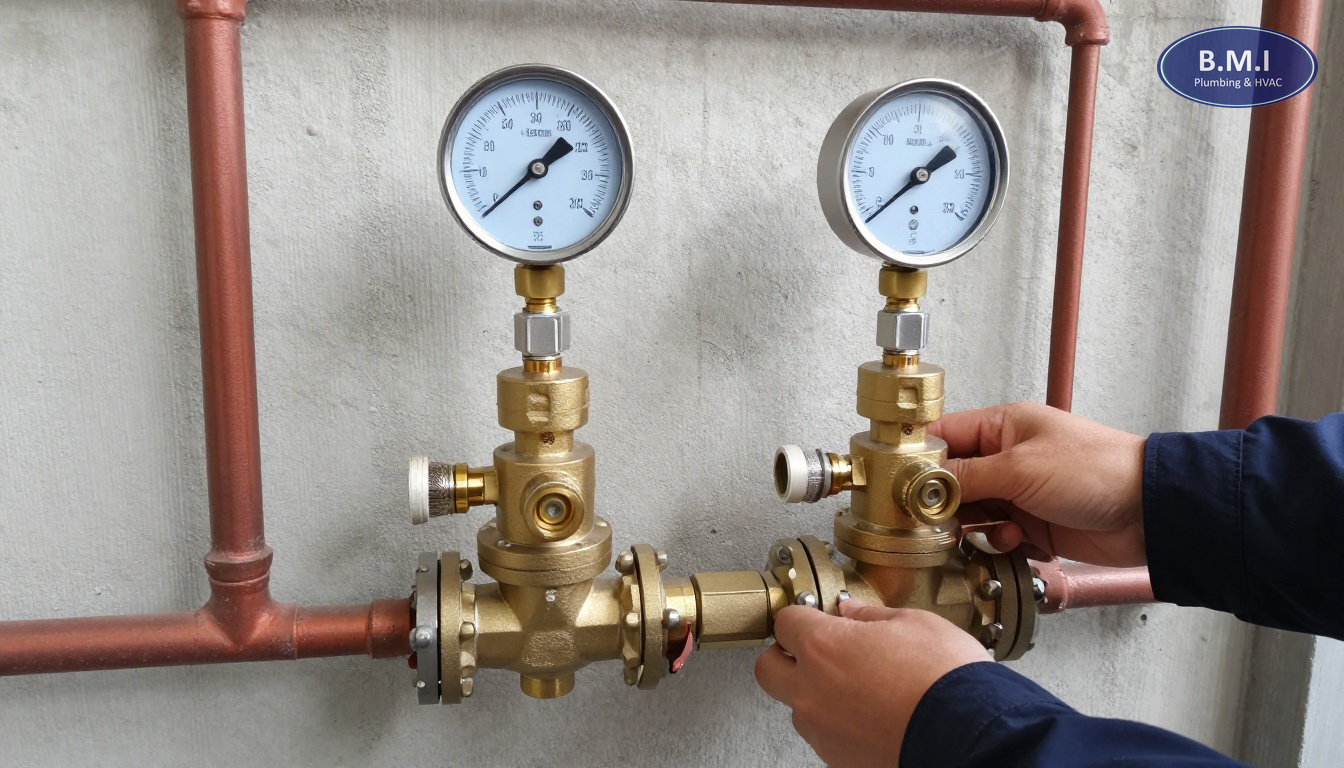
Building Pressure Test in Toronto: What the Numbers Mean
A practical guide to building pressure test results, water pressure reading patterns, costs, and next steps for Toronto …
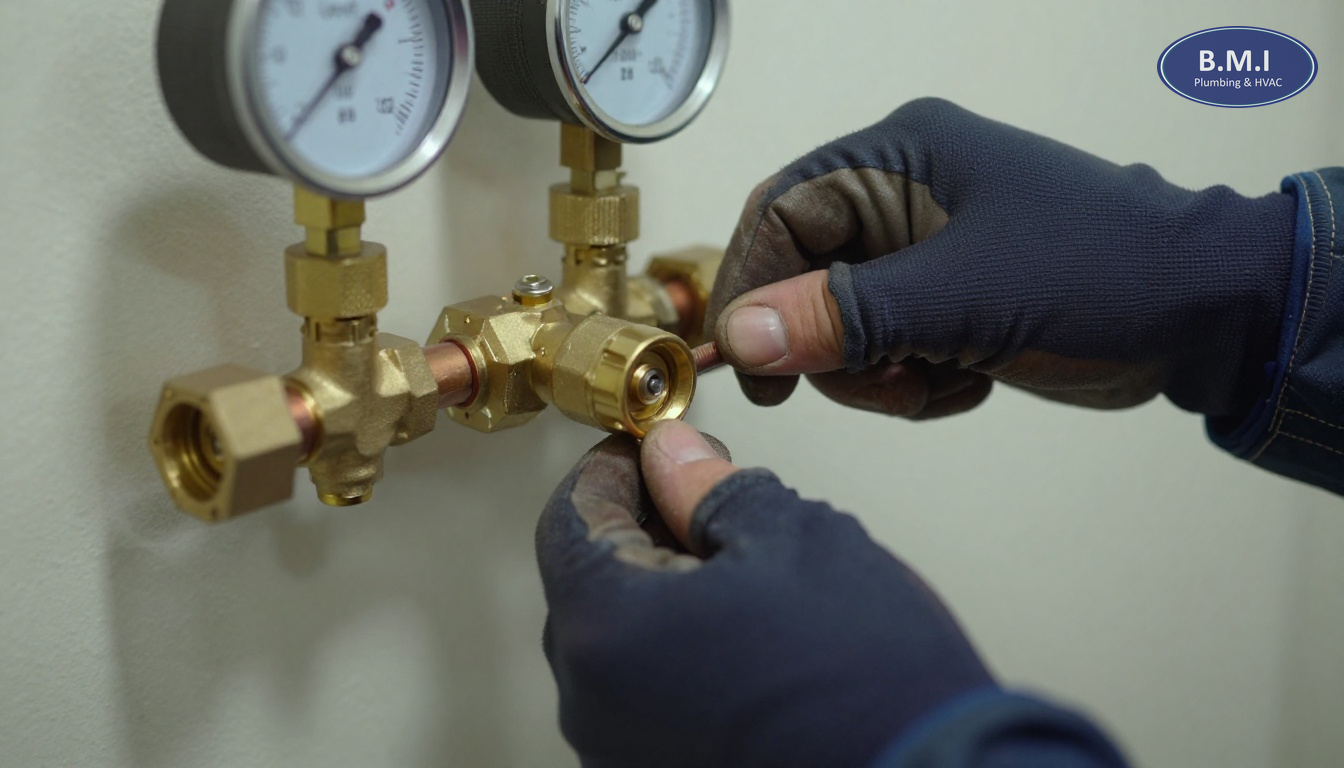
PRV Replacement Cost in Toronto Condos: Downtime Guide
Understand PRV replacement cost, downtime and scheduling for Toronto condos, with real GTA price ranges, shutdown …
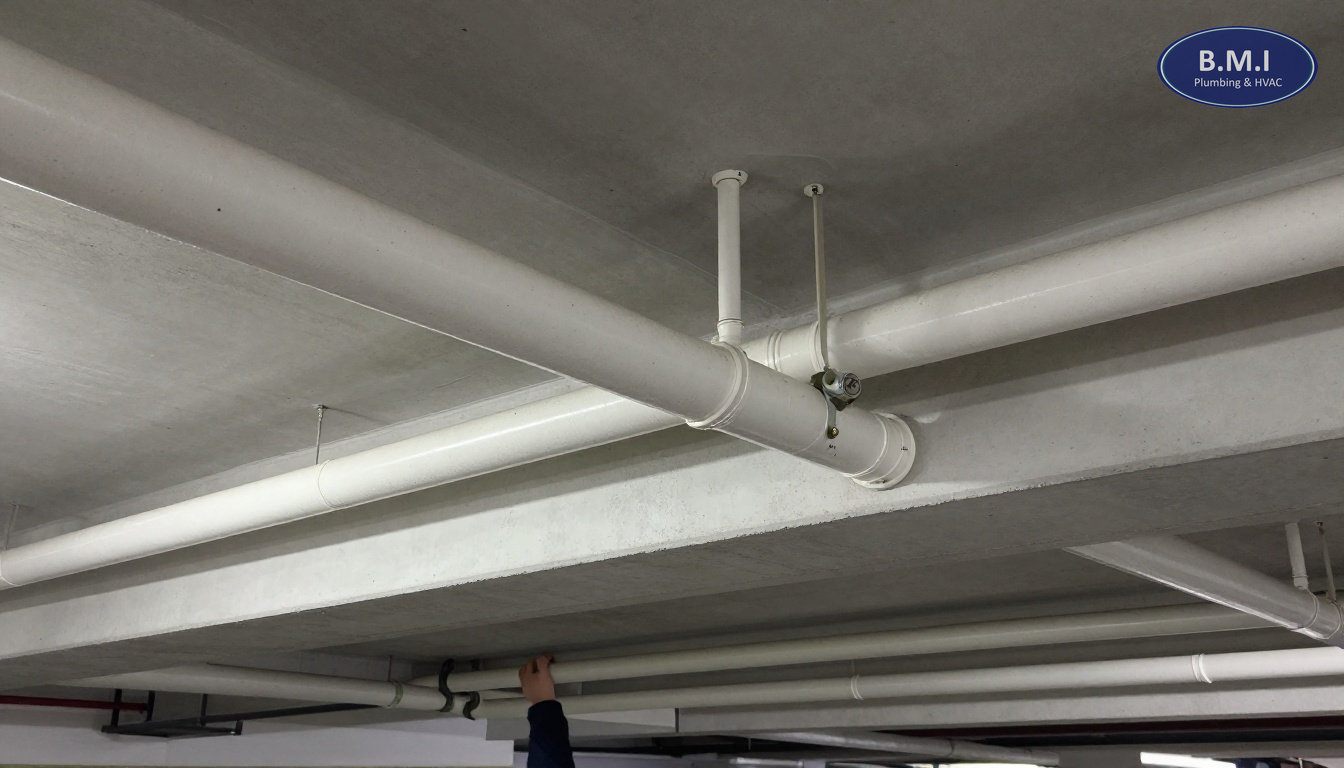
Laundry Stack Cleaning in Toronto Condos: Costs and Signs
Laundry stack cleaning for Toronto condos: how lint and detergent block condo laundry drains, what inspections show, and …
Need a plumber in your building?
BMI services roughly 200 condominium and multi-residential buildings across Toronto and the GTA. Emergencies are answered at any hour.