Valve Audits and Valve Exercise Programs in Etobicoke
Valve audits and valve exercise programs in Etobicoke for condos and rentals. Find failed isolation valves before leaks, shutdowns and winter pressure issues.
Valve Audits and Valve Exercise Programs in Etobicoke
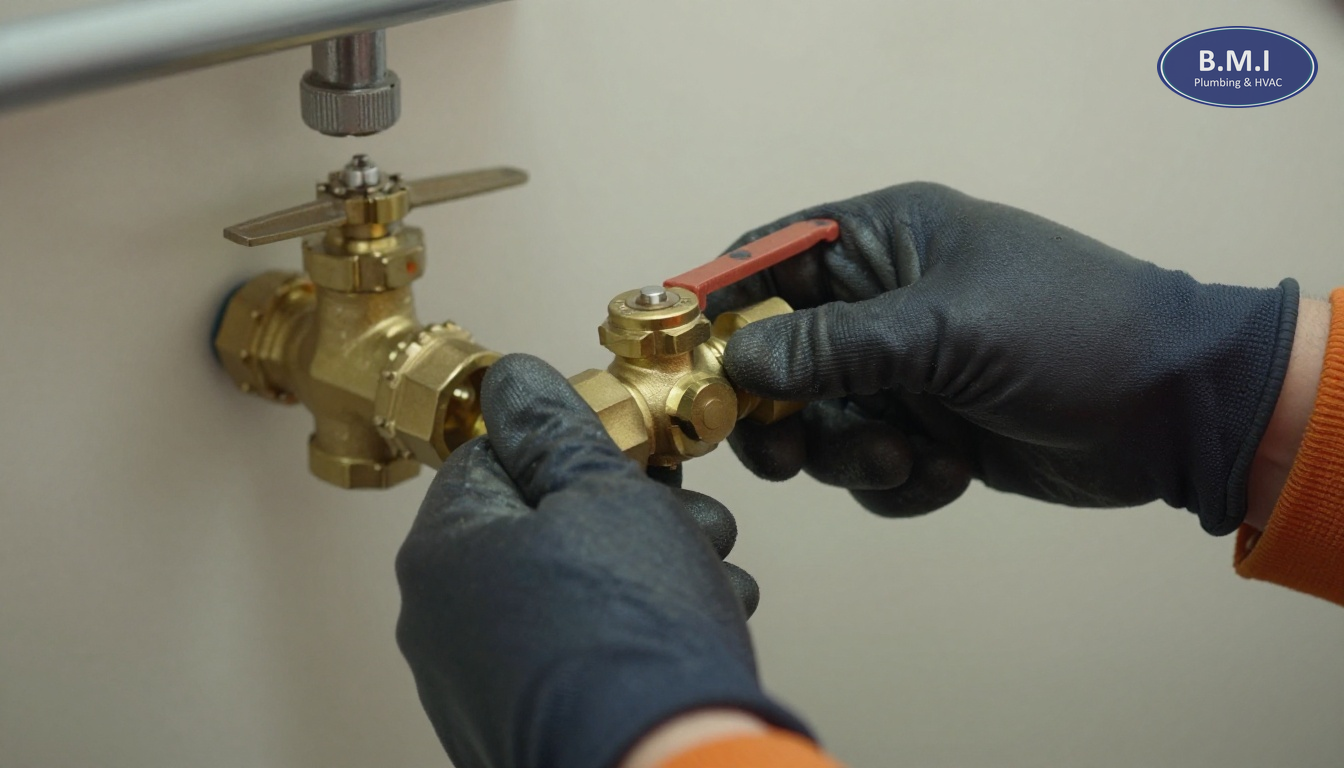
Quick summary: In Etobicoke condominiums and rental buildings, isolation valves often sit untouched for years until a leak, riser repair or winter emergency forces a shutdown. A proper valve audit and exercise program identifies what each valve serves, confirms whether it can still operate, and gives management a usable map before an after-hours flood turns into a building-wide problem.
For boards and property managers in Etobicoke, fall is a practical time to get this work done. It lines up with budget season, winterization planning, and the need to know which valves will actually hold before pressure swings, holiday staffing gaps and cold-weather leak events start to stress the building.
Why valve audit work shows up so often in Etobicoke buildings
Etobicoke has a broad mix of building stock, and valve problems tend to follow the era of construction. In the older apartment towers and slab-style high-rises along The West Mall, around Kipling, and in parts of Rexdale and central Etobicoke, it is common to find original gate valves, aging domestic copper, and mechanical rooms that have had decades of partial repairs but not a full isolation strategy review. In those buildings, the issue is often not that there are no valves. It is that nobody is fully certain which ones still close, which ones feed multiple risers, and which branch valves were abandoned or mislabeled over time.
In the 1980s and 1990s condominium stock around Humber Bay and farther inland toward major east-west corridors, the plumbing systems are newer than the rental towers, but many of those buildings are now old enough that stems seize, packing starts to fail, and valves that looked acceptable during turnover no longer perform under real shutdown conditions. By the time a board is planning a domestic riser project or a pressure issue review, management often discovers that the building needs a complete valve audit and charting program just to carry out the next piece of work safely.
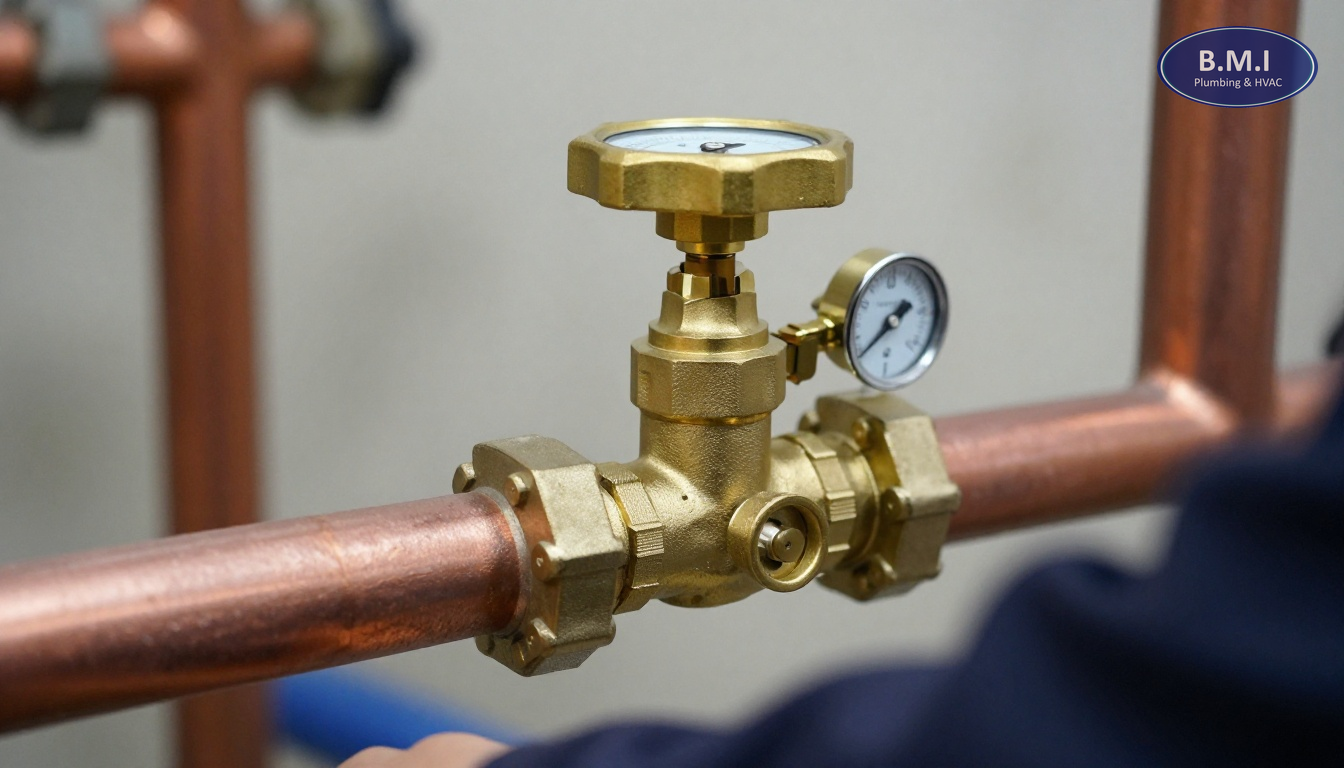
Etobicoke buildings also face the practical reality of varied elevations and pressure conditions across Toronto’s west end. Some sites have incoming pressure that is manageable but fluctuates enough to expose weak pressure reducing stations and bypass arrangements. Others rely heavily on well-functioning zone isolation because one uncontrolled shutdown affects a large vertical stack of suites. Where PRV stations are part of the domestic service, it makes sense to review them alongside a pressure reducing valve maintenance and replacement program, because a failed isolating valve on either side of a PRV turns a routine service call into a disruptive event.
For managers preparing reserve fund and capital planning discussions, valve condition also connects directly to larger plumbing work such as sectional and isolation valve replacement, domestic water riser replacement, or broader capital project plumbing work. If the isolation points are unreliable, every other plumbing project becomes slower, riskier and more expensive.
How valve failures actually present in Etobicoke properties
Most Etobicoke managers do not call asking for a valve audit because they are curious about documentation. They call because the building has already had a problem. A common report is that a suite leak could not be isolated without shutting down half a line or an entire stack. Another is that a contractor opened a ceiling to repair a branch and discovered the supposed isolation valve passed water even when fully closed. In older buildings, staff may know where the main valves are but not which valves control hot water return, penthouse equipment, parking garage hose bib branches, or crossover piping added during earlier renovations.
Resident complaints can sound unrelated at first. One line of suites may lose water longer than expected during a repair. A domestic hot water shutdown may affect floors that were not supposed to be on that branch. A PRV service may take longer because no one can isolate the station cleanly. In some buildings, management only learns the true condition of the valve network when an emergency plumber has to keep chasing live water from one ceiling opening to another. That is exactly the type of reactive work a structured maintenance program for condominium plumbing systems is meant to reduce.
In Etobicoke’s older high-rise stock, another pattern is the “do not touch that valve” culture. Staff know certain valves are stiff, packed over, corroded, or likely to leak at the stem if operated. So they are left alone year after year. That can seem sensible until a winter leak or a holiday-period drain backup requires quick isolation. At that point, a seized valve is no longer a minor maintenance issue. It becomes an after-hours building operations problem, often tied to emergency access, resident communication, elevator protection and overtime labour.
What a proper valve audit in Etobicoke should include
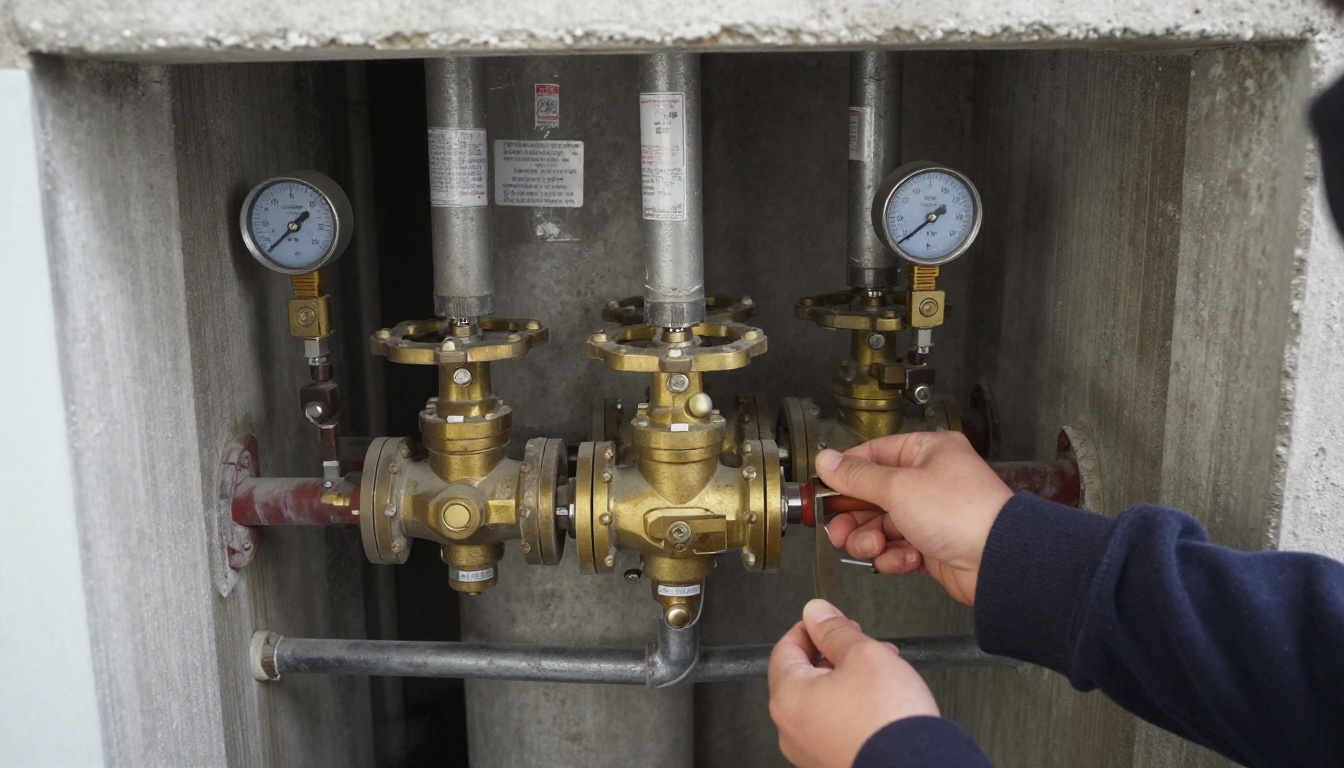
A useful valve audit is not just a walk-through with a marker and a roll of tags. For Etobicoke buildings, the first step is defining scope: domestic cold water mains, domestic hot water supply and return, riser isolation, branch isolation, PRV stations, backflow assemblies, pump connections, mechanical room valves, and any other plumbing isolation points management depends on. In some buildings we also review selected hydronic or make-up water isolation where it affects plumbing shutdown logistics, though the core scope should stay clear.
The field work should identify each valve, its location, size, type, apparent condition, accessibility, and what it serves. Then comes the part many generic audits skip: exercising and functional verification where safe to do so. A valve that exists on paper but cannot be turned, will not seat, or leaks through is not a working isolation valve. In many cases, the only meaningful test is to operate the valve and confirm downstream pressure reduction, drainage, or actual loss of flow.
For managers in Etobicoke, the evidence should be practical and usable. Insist on a written valve schedule, a charted system map or location-based inventory, and a clear deficiency list that separates:
- valves that operate and hold
- valves that operate but do not fully isolate
- valves that are inaccessible or unsafe to test under current conditions
- valves that require replacement before the next planned shutdown
- valves that are mislabeled, untagged or serving something different than expected
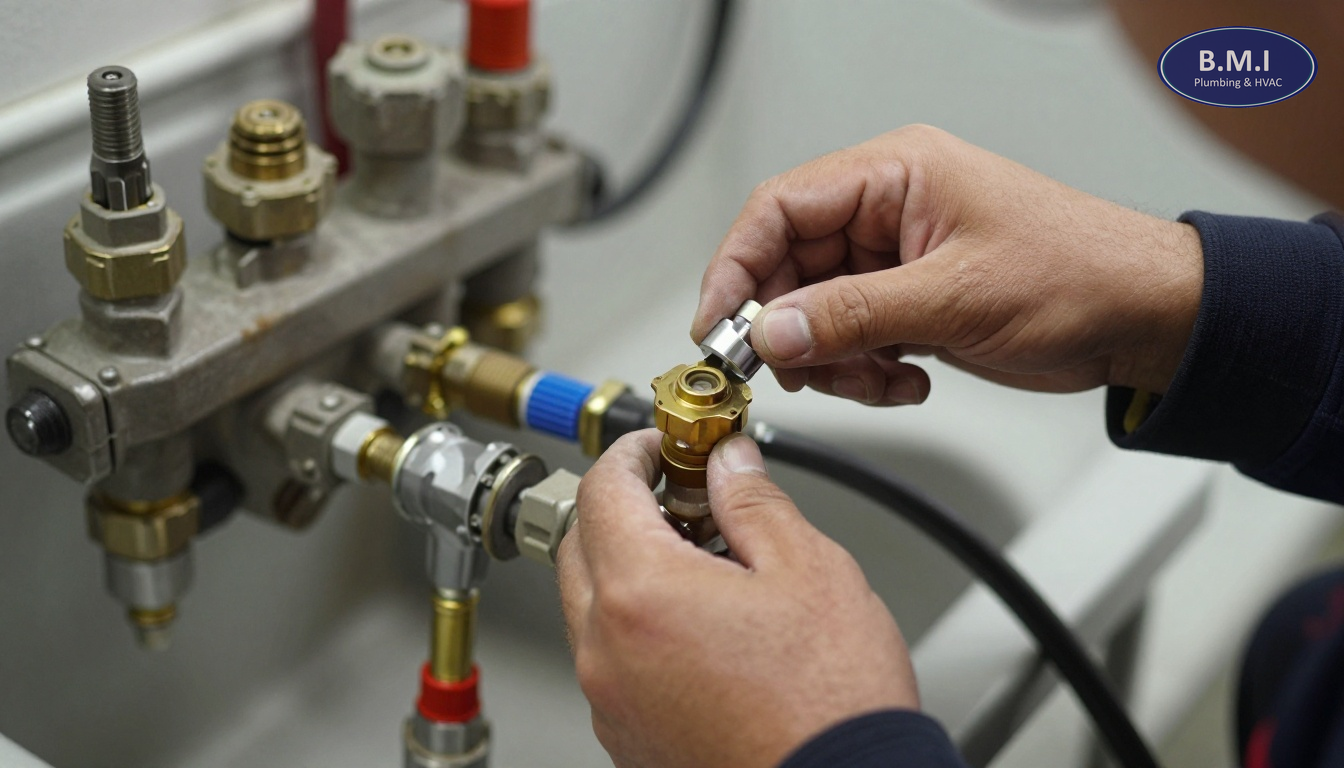
This is also the right time to review mechanical room backflow isolation and annual testing access. Toronto has cross-connection control requirements for premise isolation devices, and poor isolation around those assemblies complicates service and certification. Where that applies, it is worth coordinating the audit with backflow prevention testing and certification.
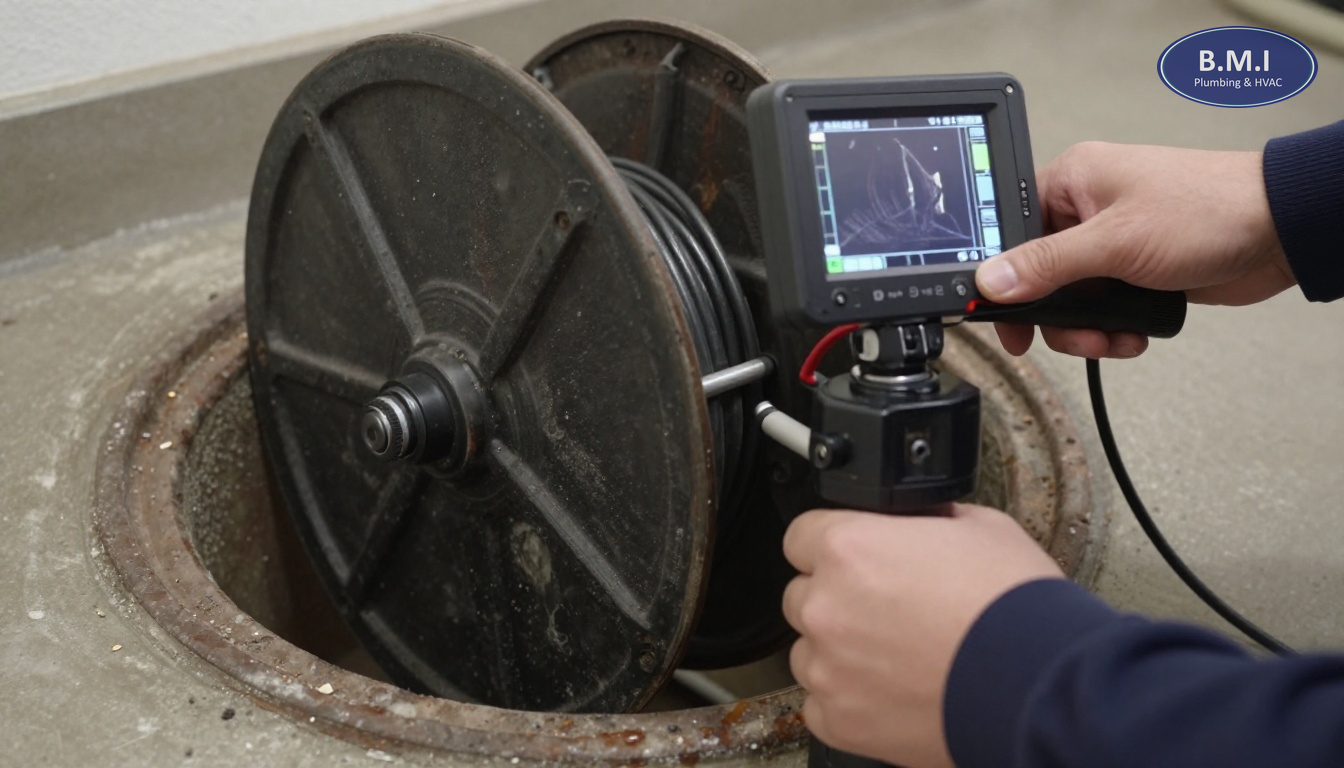
In older Etobicoke towers, camera work is not usually part of a valve audit itself, but if the shutdown plan relates to drain work or stack rehabilitation, management may also need camera pipe inspection or drain cleaning and snaking services to confirm the full scope before walls and ceilings are opened.
A representative Etobicoke valve audit project
A representative example would be a 22-storey condominium from the late 1980s near The Queensway corridor, with about 180 suites and two domestic water pressure zones. Management’s immediate complaint was simple: a routine in-suite shutoff for a leaking branch line turned into a six-hour partial building shutdown because the riser isolation valve would not seat, and a secondary valve in the mechanical room had no reliable labeling.
BMI was asked to perform a focused valve audit and exercise program for the domestic cold water, domestic hot water supply and return, PRV station isolation, and key branch valves serving common-area washrooms, janitor sinks and rooftop mechanical equipment. The building had a mix of original gate valves and later replacement ball valves. Several valves were above hard ceilings in service corridors, and access had to be coordinated around elevator bookings and resident notice periods.
The audit took two site visits for field verification and one planned shutdown window to function-test selected riser and mechanical room isolation points. The findings were typical for Etobicoke stock of that era: several valves were mislabeled, three important riser valves could be operated but did not fully hold, one bypass arrangement around a PRV station was not documented correctly, and two common-area branch valves had effectively been hidden by prior ceiling work.
The deliverable was a valve chart by location and service, an updated tagging scheme, and a replacement priority list. Management then proceeded with targeted sectional and isolation valve replacement rather than waiting for the next emergency. The audit portion was completed over roughly two weeks from first visit to final documentation, with direct audit and testing costs in the mid four-figure range. The follow-up valve replacement work was budgeted separately because the deficiencies were now clearly defined.
Costs and timelines for Etobicoke valve charting and exercise programs
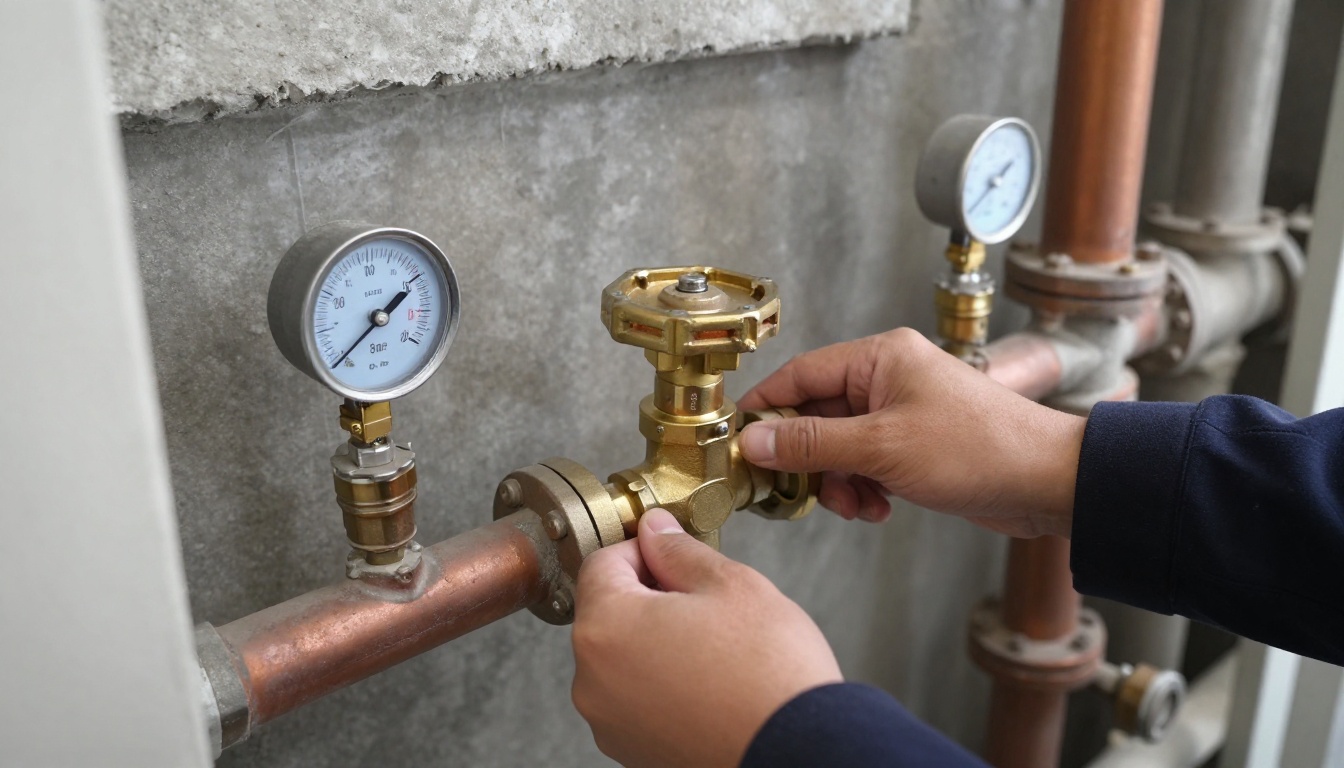
In the Toronto market, costs for an Etobicoke valve audit depend less on postal geography and more on building complexity. A smaller mid-rise with a modest mechanical room, limited common-area branches and good access may be in the range of roughly $2,500 to $6,000 for a basic audit, charting and selected exercising. A larger high-rise with multiple pressure zones, several risers, podium levels, parking garage branch piping and a more rigorous verification scope may fall in the $6,000 to $15,000-plus range.
Those are planning estimates, not quoted prices, and several factors move the number:
- total valve count
- how many valves need functional testing versus visual inventory only
- ceiling access and coordination requirements
- after-hours shutdowns
- whether updated tags and charting are simple or highly detailed
- whether deficiencies are only reported or addressed during the same mobilization
Replacement costs vary widely by valve size, location and shutdown complexity. Replacing a few smaller accessible branch isolation valves may be a relatively contained job. Replacing larger mechanical room isolation valves, main shutoffs, or valves in tight service spaces can quickly move into the several-thousand-dollar-per-valve range once drain-down, refill, after-hours labour and resident notification are included. If the audit uncovers broader deterioration, management may need to look beyond isolated replacements and consider building re-piping or Kitec and Uponor removal and replacement where those materials are present in later-vintage suites.
Timeline-wise, a straightforward Etobicoke audit can often be completed within one to three weeks from authorization, depending on access and the number of required shutdown windows. Fall is busy for budgeting, PRV checks and pre-winter maintenance, so buildings that want board-ready numbers before year end should not wait until the first freeze or the holiday period.
Repair versus replacement: a practical Etobicoke decision framework
The right decision is rarely “replace every valve” or “leave everything alone.” In Etobicoke buildings, a sensible framework is to separate valves into three groups.
First are working valves that operate smoothly, isolate as intended and are accessible. Those belong in a scheduled exercise and documentation program. Second are marginal valves: they turn, but not well; they weep past the seat; or they are so stiff that using them in an emergency would be a gamble. Those should be prioritized for replacement during planned shutdowns. Third are critical failed valves in mechanical rooms, zone isolation points or risers where one non-performing valve exposes dozens of suites. Those usually justify prompt replacement because their failure cost is disproportionate.
This is where valve work intersects with other planned maintenance. If a building already expects to do domestic water riser replacement, common-area washroom upgrades, PRV station service, or in-suite plumbing repairs requiring coordinated shutdowns, pairing valve replacement with that scope often makes financial sense. The most expensive shutdown is the one you repeat because the wrong valve was assumed to work.
For boards, this also belongs in the reserve fund discussion. The Condominium Act framework and reserve fund study updates do not mean every valve belongs in the reserve fund, but recurring evidence of end-of-life isolation hardware should inform future planning. A charted inventory gives consultants and boards something more concrete than anecdotal maintenance history.
What deferring valve audit work costs an Etobicoke building
Deferral usually looks cheap until the first failed shutdown. Then the costs arrive in layers. Emergency plumbing labour is one layer, especially if a live leak requires 24/7 emergency leak response because an isolation point will not hold. Resident disruption, concierge time, elevator protection, security coordination and restoration exposure can easily exceed the cost of a planned audit.
Insurance pressure is another factor. Carriers and adjusters do not need a perfect building, but repeated water-loss events with poor control measures are hard to defend. If management cannot isolate a leak to one riser, one stack or one branch, claim severity rises. So do chargebacks, resident complaints and the board’s difficulty explaining why a known but undocumented weakness remained unaddressed.
Deferral also affects routine work. Simple fixture replacements become longer shutdowns. Mechanical room service takes more labour. Backflow testing and PRV maintenance become harder to schedule. Even drain and stack projects can become more disruptive when domestic water isolation is uncertain. In Etobicoke’s older stock, that is often how a building drifts from manageable maintenance into a series of reactive plumbing events.
For buildings preparing year-end budgets, valve charting is often one of the clearest examples of modest planning expense preventing disproportionate emergency cost. It also gives management a more credible basis for sequencing future work, whether that is kitchen stack cleaning before the holiday cooking season, PRV maintenance ahead of winter pressure changes, or a larger plumbing capital plan informed by actual system condition.
FAQs about valve audits in Etobicoke
How often should an Etobicoke condominium do a valve audit and exercise program?
For most Etobicoke high-rise and multi-residential buildings, a full valve audit with charting every few years and a scheduled exercise program in between is a practical baseline. Buildings with older gate valves, frequent shutdowns, or a history of seized isolation valves often need a more active cycle, especially before winter and before major plumbing projects.
What is the difference between valve charting and simply tagging valves in an Etobicoke building?
Tagging alone tells you that a valve exists. Proper valve charting for an Etobicoke building records where it is, what system it serves, whether it actually isolates, what condition it is in, and whether it can be safely operated under load. That information is what lets management plan shutdowns, repairs and reserve fund work with less risk.
Can BMI test whether an isolation valve actually holds during an Etobicoke shutdown?
Yes. A useful valve audit in Etobicoke should go beyond a visual review and include functional verification where conditions allow. That usually means operating the valve, confirming downstream pressure drop or drainage, and documenting valves that pass, valves that weep through, and valves that should be replaced before the next planned shutdown.
Are valve audits in Etobicoke only for domestic water systems?
No. In Etobicoke multi-residential buildings, valve audits commonly include domestic cold and hot water isolation valves, recirculation valves, branch valves, PRV bypasses, some hydronic isolation points, and the valves tied to backflow prevention assemblies and mechanical room equipment. The exact scope depends on what management needs to control during an emergency or maintenance event.
What does a valve audit cost in Etobicoke?
In the Toronto market, an Etobicoke valve audit and charting program for a smaller mid-rise may start in the low thousands, while a larger tower with multiple risers, podium levels and mechanical spaces can run into the mid to high four figures or more. Costs depend on valve count, accessibility, after-hours requirements, documentation detail, and whether failed valves are exercised only, repaired, or scheduled for replacement.
Why do Etobicoke buildings tend to discover bad valves during emergencies?
Because many valves are left untouched for years until a suite leak, stack repair or mechanical room failure forces an urgent shutdown. In Etobicoke’s older rental and condominium stock, corrosion, mineral buildup, damaged stems and missing identification are common, so the first time a valve is asked to work is often the moment everyone learns it does not.
Next steps for an Etobicoke board or property manager
If your Etobicoke building has ever had a shutdown that lasted longer than expected, affected more suites than planned, or depended on staff memory rather than current documentation, it is time to review the isolation strategy. Start with the valves that matter most: incoming domestic service, PRV stations, riser isolation, hot water return, and common-area branches that repeatedly affect operations.
In fall, the practical goal is not paperwork for its own sake. It is to enter winter knowing which valves work, which ones need replacement, and what budget should be carried into the next board cycle. BMI serves Etobicoke and the surrounding GTA from its Toronto shop, with maintenance, repair and project experience across roughly 200 condominium and multi-residential buildings over 20 years. You can review BMI’s broader repairs and service capabilities, see completed plumbing projects and building references, or request a site review through the BMI contact page.
Contact BMI
- Contact BMI
- Phone: (416) 845-3756
- Emergency: (416) 845-3756, answered 24 hours a day
- Email: info@brial.ca
More on condominium plumbing
Backflow Prevention Testing and Certification Etobicoke
Backflow prevention testing and certification in Etobicoke for condos and rentals. RPZ testing, cross connection …
Pressure Reducing Valve Service and Replacement Etobicoke
Pressure reducing valve service and PRV replacement in Etobicoke condos. Building water pressure issues, costs, …
Camera Pipe Inspection in Etobicoke Condominiums
Camera pipe inspection in Etobicoke for condos and rentals. Learn how CCTV drain surveys diagnose stack, branch and …
Need a plumber in your building?
BMI services roughly 200 condominium and multi-residential buildings across Toronto and the GTA. Emergencies are answered at any hour.