Valve Replacement Cost in Toronto Condo Buildings
Planning a valve program budget for a Toronto condo? Understand valve replacement cost, shutdown logistics, phasing, and when deferral is risky.
Valve Replacement Cost in Toronto Condo Buildings
Quick summary: If your building cannot isolate a leaking riser, PRV station or branch line quickly, you do not have a minor maintenance issue. You have a capital planning problem. A defensible valve program budget starts with proving which valves fail, ranking them by consequence, and then phasing replacements so the board is not funding a blind lump sum.
In October, this matters more than it does in May. Fall is when Toronto condominium boards are building next year’s budget, and it is also when operators discover whether the building can be isolated before winter pressure swings, heating-season repairs and holiday-period emergency work. A valve that “mostly closes” in October often becomes the reason a simple repair turns into an overnight shutdown in January.
Start with the money: what boards usually get wrong
The most common budgeting mistake is assuming a valve replacement program is just the cost of valves. It is not. In most multi-residential buildings, the valve body itself is a small part of the total. The expensive part is gaining access, isolating the system, draining it, dealing with seized or thinned pipe, restoring service, bleeding air, checking for cross-connections, and doing all of that in a live occupied building.
That is why a budget line based on “about $500 per valve” is usually not credible in Toronto, North York or Mississauga high-rises. On a real building-wide program, replacement cost is driven by five variables:
- Valve size and type: 3/4-inch and 1-inch branch isolation valves are one category; 3-inch and 4-inch main sectional valves are another.
- Pipe material and age: Type L copper behaves differently from old threaded steel or heavily scaled galvanised piping.
- Access: Open mechanical room, riser closet, finished corridor ceiling, or behind suite millwork all price differently.
- Shutdown complexity: A simple domestic cold branch is easier than a hot-water recirculation loop, booster set header or PRV bypass arrangement.
- Whether the surrounding system is maintainable: If the building has never had a proper valve audit, crews often spend paid hours just identifying what actually controls what.
A practical first step is not “replace every old valve.” It is to identify the valves that matter most when something goes wrong. In many buildings, 20 to 30 priority valves account for 80% of the operational risk.
What a building-wide valve program actually includes
A proper program is broader than swapping out a few leaking handles. In condominium and purpose-built rental buildings, the usual scope includes:
- Main domestic water isolation valves on incoming services and meter bypasses
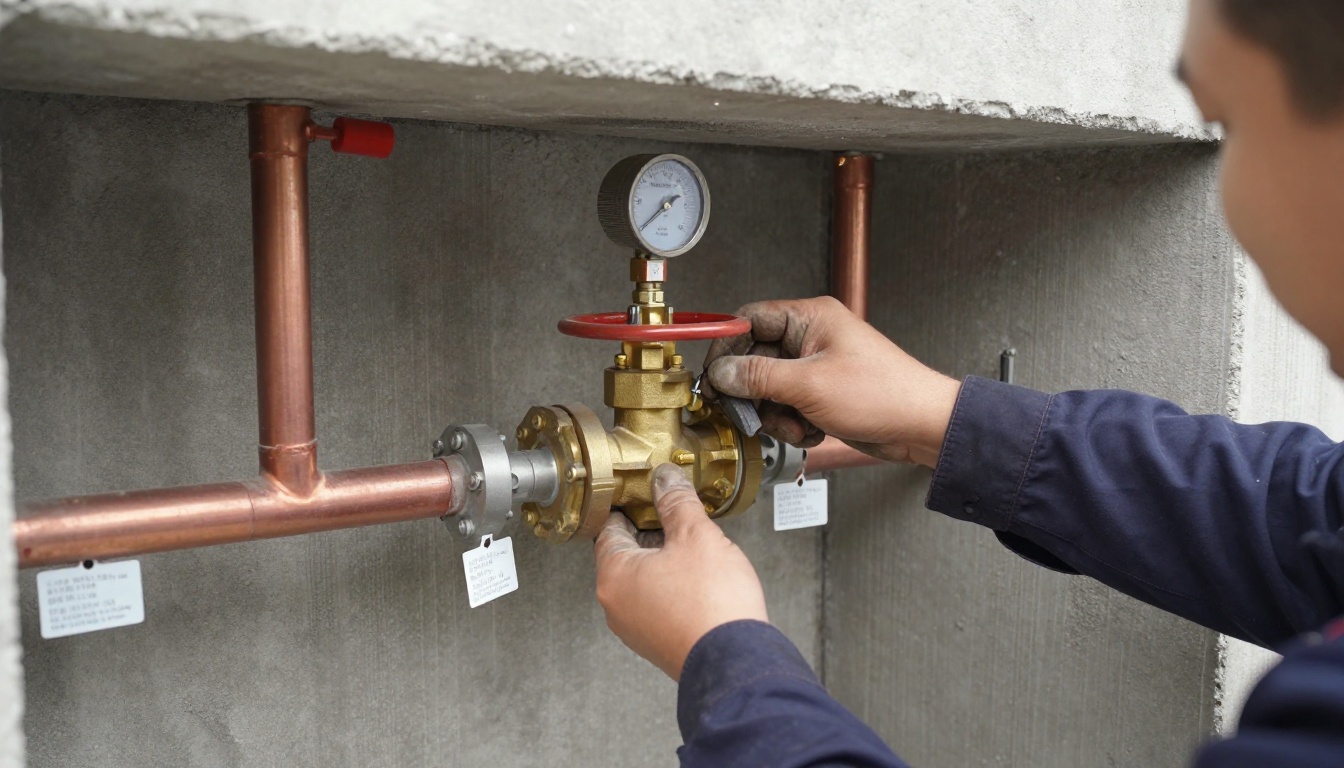
- Pressure reducing valve station isolation valves and bypass valves tied to PRV maintenance
- Booster pump suction and discharge valves
- Domestic cold, hot and recirculation riser sectional valves
- Corridor or floor branch isolation valves
- Mechanical room drain-down and purge valves
- Selected in-suite or stack-adjacent isolation points where the declaration or past alterations make them effectively common-element controls
In a 25-storey condominium, that may mean anywhere from 40 to 150 valves depending on how the building was laid out and whether previous renovations removed, buried or mislabeled isolation points. Early-1990s towers in Scarborough and Vaughan often have more sectionalization than late-1970s towers in Etobicoke, but the older buildings also tend to have more valves that no longer operate as intended.
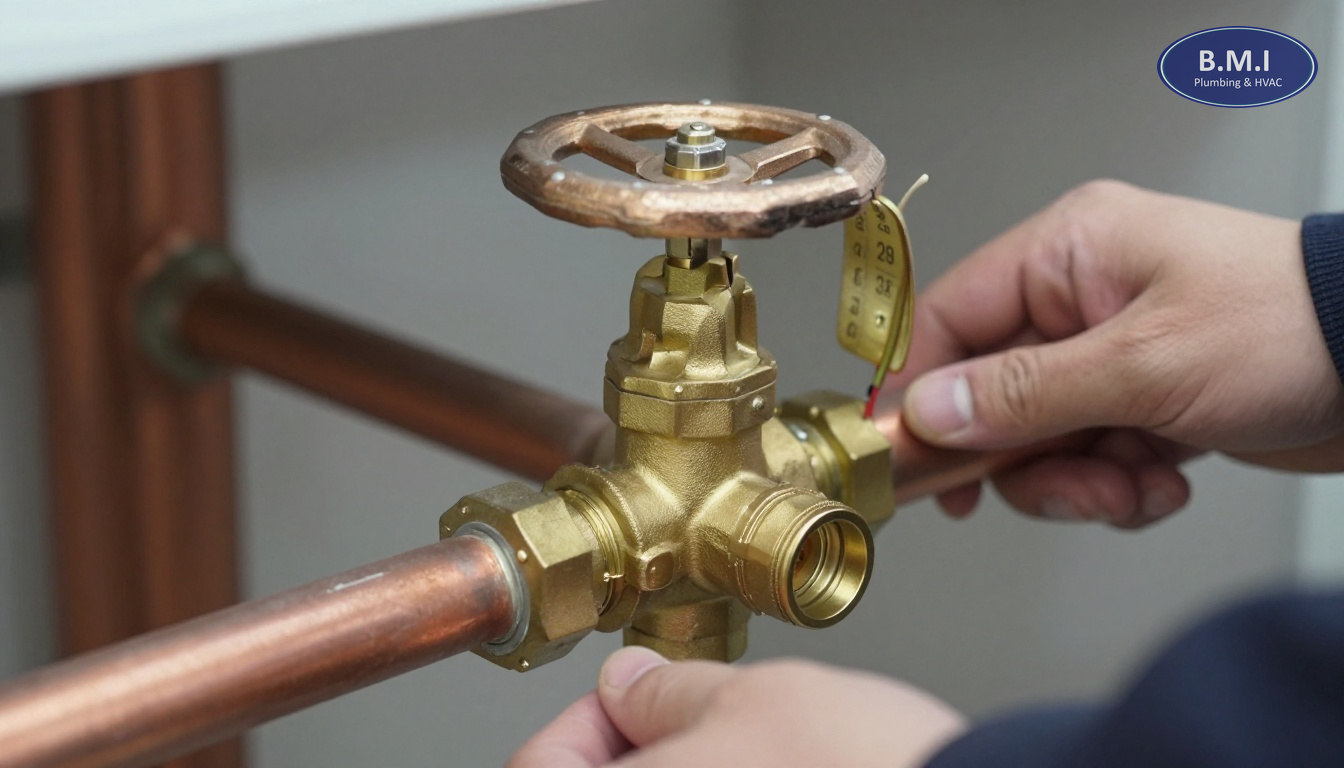
An important budgeting point: a valve replacement program should usually be paired with a charting and tagging exercise. Replacing valves without updating the map is how buildings pay for the same confusion twice. A good valve replacement project leaves the operator with a current valve schedule, tag numbers, service descriptions and shutoff logic that can be used during the next leak.
Why valves fail in GTA condominium buildings
Valves rarely fail for one reason only. In the buildings BMI services across Toronto, Markham and Richmond Hill, failures usually come from a combination of age, water quality, infrequent exercising and poor past repairs.
Gate valves: the familiar problem child
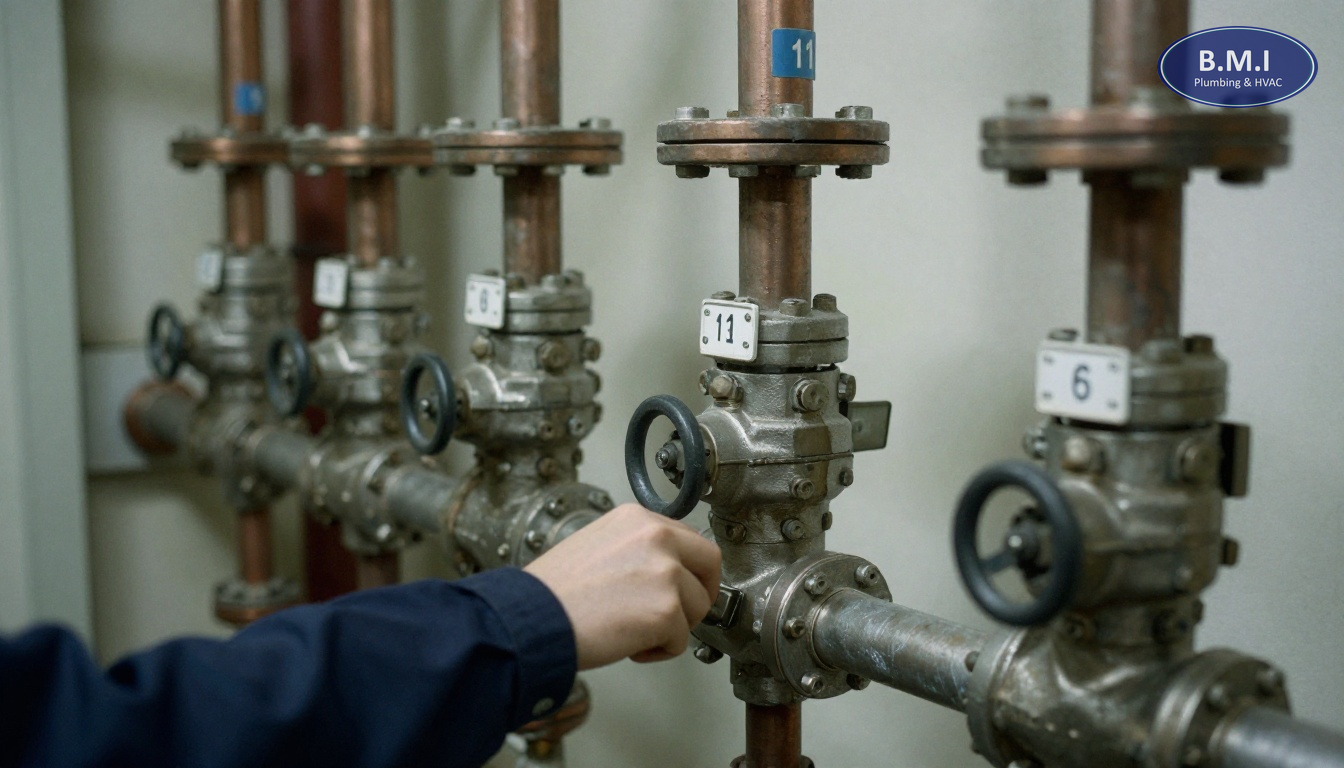
Many 1970s and 1980s concrete high-rises still rely on old brass or bronze gate valves. The problem is not simply that they are old. The internal wedge can separate, the stem can strip, and mineral scale can prevent full closure even when the handle turns smoothly. To an operator, that looks like a valve that “seems okay.” In reality, it may pass enough water to prevent safe work downstream.
That is why gate valves are notorious during riser repairs. A crew isolates, drains, opens the line, and then discovers the valve is passing. Now the building is partly drained, residents have been notified, and the repair window is collapsing. In buildings that have not had regular maintenance programs, this is one of the most common causes of avoidable overtime.
Ball valves: better, but not immune
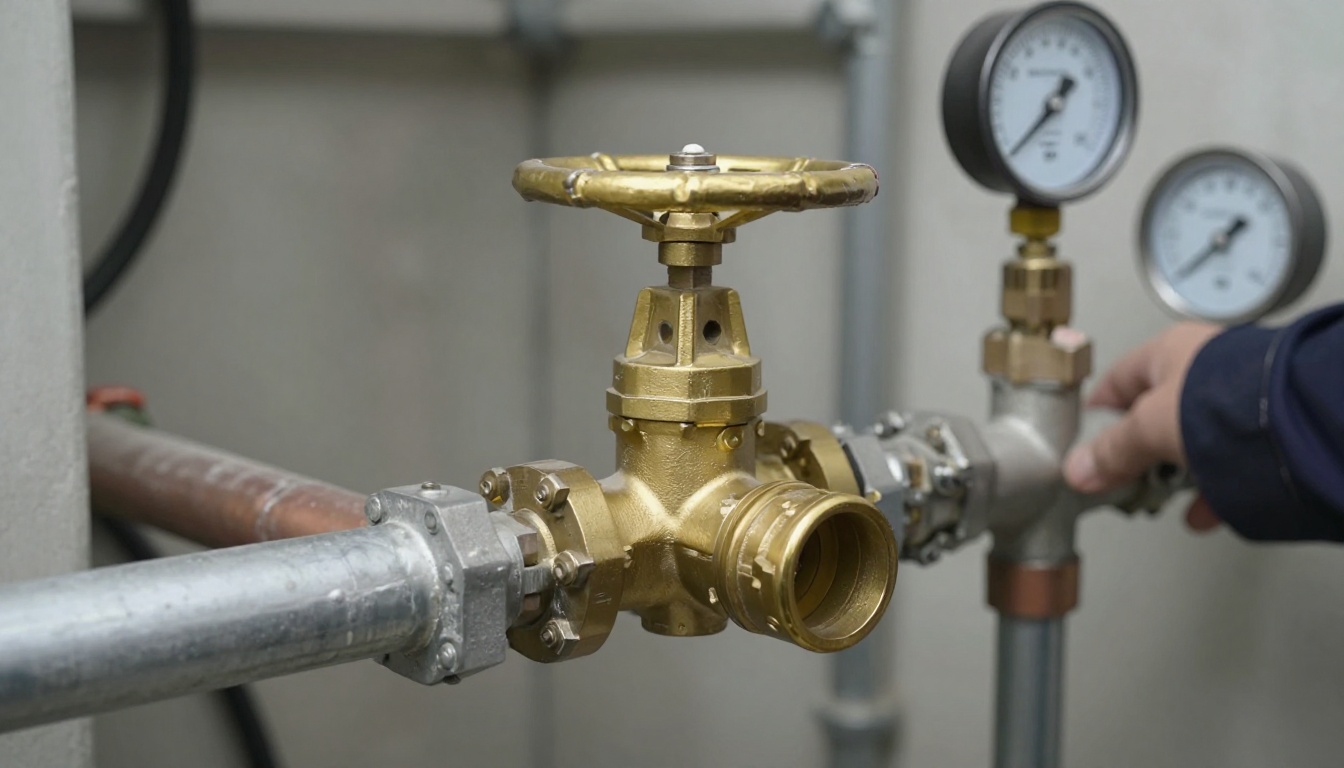
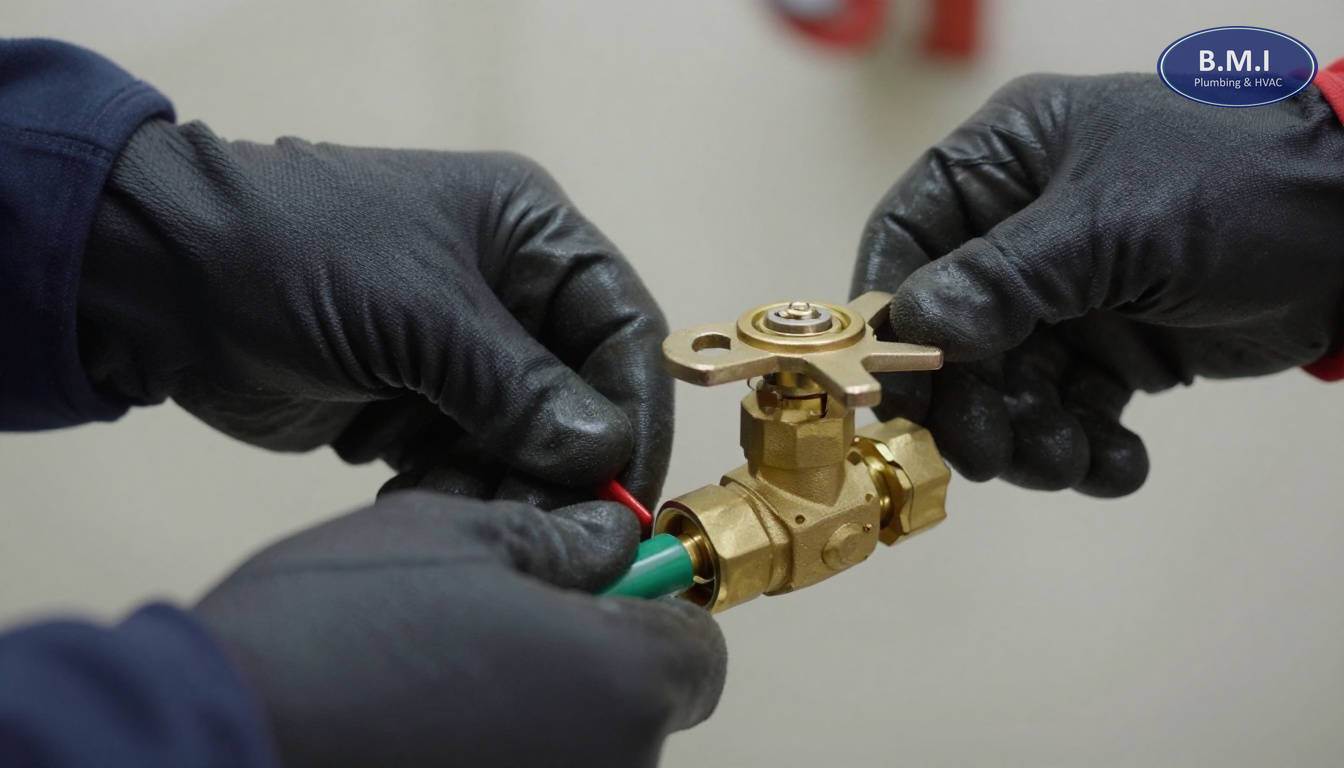
Modern full-port ball valves are usually the preferred replacement on 3/4-inch to 2-inch domestic water lines because quarter-turn operation is clearer and shutoff is more reliable. But they are not magic. Cheap valves, poor support, aggressive soldering heat, or installation in areas that are never exercised can still create problems over time. On hot-water recirculation lines, constant temperature cycling also matters more than many boards realize.
Butterfly valves on larger mains
For 2-1/2-inch, 3-inch and 4-inch mains, butterfly valves are often used where face-to-face space is limited or grooved systems are present. These can be excellent in the right application, but they need the correct pressure class, body style and installation clearance. In cramped Toronto mechanical rooms, one poor original valve selection can make future replacement much harder because the disc swing and flange spacing were never considered.
Toronto water and scale
Toronto and most GTA municipalities supply treated water that is safe, but over decades it still leaves mineral scale that affects moving parts, especially where pressure and temperature fluctuate. In buildings along the waterfront and in older North York towers with long domestic hot-water recirculation runs, we often see a combination of scale, stem packing deterioration and exterior corrosion at valves near PRV stations or expansion components. If the building already has pressure irregularities, the valve issue is often part of a larger control problem that should be reviewed with project solutions in mind rather than as a one-off repair.
The fast diagnosis: when this is a budget issue, not a service-call issue
Managers usually hear about valve problems indirectly. Residents do not call to report a failed sectional valve. They call because a repair could not be completed without a bigger shutdown than expected.
Typical warning signs include:
- A leaking toilet stop, suite shutoff or branch fitting turns into a full-stack or full-floor water interruption because no intermediate valve holds.
- The building operator cannot say with confidence which valve isolates a specific riser or corridor branch.
- A recent camera inspection, riser repair or in-suite plumbing call required repeated attempts to identify an isolation point.
- PRV servicing is delayed because bypass or upstream/downstream valves are seized, passing or unsafe to operate.
- During a leak, crews have to shut off a much larger zone than necessary, affecting dozens of suites for a repair that should have affected six.
- Valve handles are missing, stems are weeping, tags are gone, or prior ceilings were closed without preserving access.
A common mistake we see in early-1990s North York high-rises is assuming the valves are acceptable because the building has not had a catastrophic failure yet. That is not evidence. It usually means the building has been fortunate enough not to need those valves under pressure.
What evidence to insist on before approving a budget
Boards should not approve a six-figure valve program based on a verbal comment that “a lot of valves are old.” The evidence should be tangible and ranked.
At minimum, ask for:
- A written valve audit report with tag numbers, locations, sizes and services
- A pass/fail assessment based on actual exercising or controlled shutdown testing where feasible
- Photos of failed or inaccessible valves
- A list of critical valves whose failure would enlarge a shutdown area
- A phasing recommendation: Year 1, Year 2, deferred items
- Notes on related dependencies such as PRV stations, booster sets, risers or upcoming riser replacement
The point of a valve audit is not just inventory. It is to determine whether your building can still be maintained safely. On a 300-unit building, we would expect the audit to identify not only the valve type and size but also whether the valve can be reached without destructive access and whether the surrounding pipe condition makes replacement straightforward or high-risk.
For budgeting, one of the most useful deliverables is a priority matrix. For example:
| Priority | Typical valves | Why they rank high |
|---|---|---|
| 1 | Main incoming, PRV station isolation, booster pump valves, key riser sectional valves | Failure affects large portions of the building or prevents emergency isolation |
| 2 | Corridor branch valves, hot-water recirc branches, mechanical room secondary isolation | Failure enlarges shutdowns and complicates planned repairs |
| 3 | Lower-risk branch valves with good alternate isolation | Can often wait if budget is tight and system remains maintainable |
Real valve replacement cost ranges in Toronto
These are budgetary market ranges, not quoted prices. They vary by access, shutdown hours, material, asbestos procedures, restoration and building rules. But boards need numbers, and generic language is not useful.
Typical replacement cost by valve size and setting
| Valve type and size | Typical setting | Budget range per valve |
|---|---|---|
| 3/4" to 1" full-port brass ball valve | Accessible riser closet or exposed ceiling | $900-$1,800 |
| 1-1/4" to 2" full-port brass ball valve | Mechanical room or accessible branch | $1,400-$2,500 |
| 2-1/2" to 4" butterfly or flanged/grooved valve | Main or sectional line in mech room | $3,500-$9,000 |
| Main incoming or complex PRV station isolation valve | Tight mechanical room with staged shutdown | $5,000-$15,000+ |
| Valve replacement requiring ceiling opening/restoration or difficult drainage | Corridor/suite-adjacent area | Add $500-$2,500+ |
Those ranges assume normal weekday or planned after-hours work. If the building insists on overnight windows, requires security escorts, elevator bookings, extensive resident protection or premium shutdown timing, cost increases quickly.
Program-level budgeting examples
A few realistic planning scenarios:
- Small mid-rise, 60-90 units: replacing 10 to 20 priority valves may budget around $25,000 to $60,000.
- Typical 18- to 25-storey condo, 180-300 units: a phased priority program of 20 to 40 valves often lands around $40,000 to $120,000.
- Older high-rise with poor access and multiple failing mains/sectionals: comprehensive work can reach $150,000 to $250,000+.
What pushes a building from the lower to upper end is not vanity. It is usually one or more of the following:
- Pipe walls too deteriorated for simple cut-and-replace work
- Incomplete or inaccurate valve charting
- Need to coordinate with PRV maintenance, backflow prevention or booster equipment shutdowns
- Limited drain-down points causing long fill and purge times
- Finished spaces requiring patching and painting
- Weekend or overnight windows to reduce resident impact
One budgeting insight boards often miss: if a building already knows a domestic water riser replacement is coming within three to five years, some branch valve work should be deferred and some should not. Spending on valves that will be removed during a near-term building re-piping project is wasteful. Spending on the isolation valves needed to survive until then is not.
Repair versus replace: a decision framework that survives board scrutiny
A board will usually ask the right question: why not repair the bad ones as they fail?
The answer depends on consequence, not sentiment.
Spot repair is reasonable when:
- The building has a current valve map
- Critical sectional valves hold properly
- Failures are isolated to a few non-critical branch valves
- The surrounding pipe is in good condition
- The building can still isolate work areas without expanding shutdowns
Program replacement is usually justified when:
- Critical valves fail testing or cannot be safely operated
- Multiple planned repairs have already been delayed by isolation failures
- Valve locations are undocumented or inaccessible
- The building is heading into winter without reliable isolation for PRV, riser or leak work
- Reserve fund planning needs a realistic capital number, not recurring emergency invoices
In older Toronto and East York towers, a phased program is often the best middle ground. Replace the valves that control risk first, then line up the rest with reserve fund timing. That is easier to defend than either extreme of “replace everything now” or “do nothing until it leaks.”
Scheduling, shutdowns and resident logistics
Valve work in occupied buildings is mostly a communication exercise supported by plumbing. The physical replacement may take two hours; the planning around it often takes longer.
For most planned valve replacements, expect:
- Resident notice: typically 48 to 96 hours minimum, often longer under internal building policy
- Shutdown window: 2 to 8 hours for straightforward work; full-day windows for complex main isolation or multi-valve sequences
- Suites affected: anywhere from one stack to the full building depending on sectionalization
- Crew output: 2 to 6 smaller valves per day, or 1 to 3 larger/complex valves per day
In fall, many boards want this work done before holiday occupancy increases and before winter emergencies begin. That is sensible. It is also why October and November schedules tighten quickly for contractors handling condominium shutdown work.
If the building lacks reliable isolation today, it often makes sense to replace a few strategic valves first so later work can be done with smaller shutdown footprints. We see this often where a valve program is paired with kitchen stack cleaning, riser repairs or seasonal mechanical-room work. Better isolation reduces disruption across all of it.
Common-element versus in-suite responsibility
This is where property managers get cornered by owners, and it matters because it drives who pays.
In most condominium buildings, main isolation valves, riser sectional valves, mechanical room valves and branch valves serving common-element systems are common-element responsibility. But the exact answer depends on the declaration, description and any section 98 alterations under the Condominium Act, 1998. If a prior owner altered piping inside a suite, responsibility can become less straightforward.
The practical rule is this: if the valve exists primarily to control a common building system or to isolate multiple suites, it is usually not an owner expense. If it is a local fixture shutoff or suite-only plumbing control, it may be treated differently. Managers should avoid making this decision from memory. Pull the declaration, confirm the alteration history, and document the basis for any chargeback.
For buildings that regularly perform in-suite plumbing work, a reliable common-element valve network is what prevents a suite repair from becoming a building-wide disruption. That is one reason valve programs are often easier to justify to boards than they first appear.
What deferral really costs
Not every building needs to replace valves immediately. Sometimes the honest answer is that the work can wait a year if testing is favourable and major capital work is already planned. But deferral should be an informed decision, not a hopeful one.
The real costs of deferral are usually indirect:
- Larger shutdown areas during routine repairs
- Overtime and emergency premiums when valves fail under urgent conditions
- Higher restoration costs if a leak cannot be isolated quickly
- Insurance exposure where water damage spreads beyond the initial failure area
- Reserve fund distortion because operating budgets absorb avoidable plumbing emergencies
In Ontario condominium operations, this also becomes a governance issue. If the board knows the building cannot isolate key systems and continues to defer without evidence, it becomes harder to explain later why a preventable event produced a major deductible claim or resident compensation issue.
From a practical standpoint, if your building is already budgeting for expansion compensators, riser replacement or a broader building re-piping project, valve condition should be reviewed at the same time. The cheapest valve work is usually the valve work done once, in the right sequence.
How to build a defensible valve program budget for next year
For boards finalizing budgets this fall, the cleanest process is:
- Audit first. If the building has no current map, start with a valve audit.
- Identify critical failures. Prioritize main, PRV, booster and riser isolation points.
- Coordinate with other capital work. Check whether upcoming project solutions will make some replacements redundant.
- Phase intelligently. Year 1 should reduce emergency risk, not chase cosmetic uniformity.
- Carry contingency. On older buildings, a 10% to 20% contingency is prudent because once piping is opened, hidden deterioration is common.
- Get the shutdown plan in writing. The board should know how many notices, suites and work windows are involved.
On a 200- to 300-unit building, a well-structured first-year valve budget often targets the 15 to 30 valves that most affect maintainability. That may not satisfy every owner who wants “everything done,” but it is usually the most rational use of reserve or operating capital.
If your building has had repeated drain or leak issues, it is also worth reviewing adjacent needs such as drain cleaning, camera inspection and backflow prevention. In condominium plumbing, systems fail together more often than boards expect.
FAQs
How do we know whether our building needs a valve replacement program or just a few spot repairs?
If a building cannot reliably isolate a riser, corridor branch, booster set, PRV station or hot-water recirculation loop without trial and error, it usually has a program problem rather than a one-off problem. In practice, once 15% to 20% of tested valves fail to close fully, leak through, or have missing handles, seized stems or undocumented locations, budgeting a phased replacement program is usually more defensible than continuing to respond suite by suite.
What does valve replacement cost in a Toronto condominium building?
In the Toronto market, a straightforward 3/4-inch to 2-inch ball valve replacement in an accessible mechanical room or riser area often lands around $900 to $2,500 per valve, while larger 2-1/2-inch to 4-inch sectional valves commonly run about $3,500 to $9,000 each once shutdown labour, drainage, refilling and reinstatement are included. A building-wide phased program in a mid- to high-rise can range from roughly $40,000 for targeted priority valves to well over $250,000 where dozens of isolation points, corroded fittings, asbestos procedures, ceiling openings or after-hours shutdowns are involved.
Why do valve replacement budgets vary so much from one building to another?
The valve itself is rarely the main cost driver; access, shutdown complexity and pipe condition usually are. A 2-inch brass ball valve on clean copper in a 2012 tower in North York is a different job from a 4-inch butterfly or gate valve on heavily corroded steel in a 1978 Etobicoke high-rise where drainage is poor, valve tags are missing and crews need overnight shutdown windows to protect residents.
Can this work be phased over more than one budget year?
Yes, and many boards should phase it. A common approach is to replace critical failure points first—main domestic isolation valves, PRV bypass valves, booster pump suction and discharge valves, and riser sectional valves—then move to lower-risk branch valves over 12 to 36 months, which spreads cash flow while still reducing emergency exposure.
What happens if we defer a valve replacement program for another year?
Deferral is sometimes reasonable, but only if testing shows the building can still isolate key systems. If valves fail during a burst riser, stack leak, PRV replacement or emergency plumbing response event, a problem that should affect 6 to 12 suites can quickly become a full-zone or full-building shutdown, and that is where overtime labour, resident disruption and insurance deductible exposure usually multiply.
Should a condominium replace old gate valves with new gate valves?
Usually no for most domestic water isolation points. In condominium work, full-port brass ball valves are commonly preferred from 3/4 inch to 2 inch because quarter-turn operation is clearer, shutoff is more reliable and future exercising is simpler; larger mains may use grooved or flanged butterfly valves depending on line size, service conditions and available face-to-face space.
Next steps for boards and property managers
If your team is preparing next year’s budget now, do not start with a lump-sum allowance pulled from an old reserve fund line. Start by confirming whether the building can isolate what it needs to isolate. If it cannot, the right next step is a site review and valve audit, followed by a phased budget tied to actual building risk.
If your building has not had its valves charted or exercised in years, or if recent repairs have required larger-than-necessary shutdowns, this is the time to get in front of it before winter. BMI attends the building before quoting, and for urgent failures, emergency plumbing support is available 24 hours a day. For managers comparing options, reviewing completed condominium work through BMI’s project portfolio and additional guidance on the BMI blog can help frame the board discussion.
Contact BMI
- Contact BMI
- Phone: (416) 845-3756
- Emergency: (416) 845-3756, answered 24 hours a day
- Email: info@brial.ca
More on condominium plumbing
Gate Valve vs Ball Valve in Toronto Condos
A practical guide to gate valve vs ball valve and condo valve types in Toronto buildings, with costs, shutdown planning …
Valve Exercise Programs in Toronto Condos: Why They Matter
A practical guide to valve exercise programs and valve maintenance for Toronto condos, with costs, timelines, shutdown …
Booster Pump Condo Guide for Toronto Buildings
A practical Toronto guide to booster pump condo service, failure signs, replacement costs, shutdowns, and what boards …
Need a plumber in your building?
BMI services roughly 200 condominium and multi-residential buildings across Toronto and the GTA. Emergencies are answered at any hour.