Water Submetering and Consumption Problems in Oakville
Water submetering and high water bill issues in Oakville condos: how to diagnose abnormal water consumption and plan repairs.
Water Submetering and Consumption Problems in Oakville
Quick summary: In Oakville condominiums, water submetering complaints usually start with a high bill, but the real issue is often somewhere between fixture leakage, unstable pressure, common-area losses, and meter data gaps. For boards and property managers, the key is to reconcile bulk water use against suite-level data, confirm whether the consumption is real, and then decide whether the fix belongs in maintenance, in-suite repairs, or a larger plumbing project.
Oakville is not one uniform building market. The plumbing problems in an older rental or condo near Kerr Village are different from what we see in newer mid-rise and high-rise stock around Trafalgar, Dundas, or Bronte. That matters when you are trying to understand water submetering, abnormal consumption, and why a building suddenly has a high water bill.
Why water submetering issues show up in Oakville buildings specifically
Oakville has a mixed multi-residential inventory. There are older apartment and condominium buildings from the 1970s and 1980s with original copper domestic water, aging brass valves, older flush tanks and stop valves, and cast iron drainage. There is also a large group of condo buildings from the late 1990s through the 2010s, including mid-rise communities and taller buildings near major corridors such as Trafalgar Road and Dundas Street. In those buildings, suite-level submetering is far more common, but so are modern fixture packages that can create a different kind of water loss: not dramatic flooding, but steady background consumption from worn fill valves, cartridges, pressure imbalance, and inaccessible shutoffs.
Oakville’s municipal water supply is reliable, but the way a building experiences it still depends on elevation, pressure control design, and how well the domestic system has been maintained. In a mid-rise with neglected PRVs, pressure can drift enough to shorten fixture life and increase nuisance leakage. In taller buildings, booster and pressure-zone arrangements can make one bank of suites behave differently from another. When residents say their bill has gone up, the submeter is only part of the story; the plumbing system behind it often explains the trend.
Another local factor is that many Oakville condominium corporations are now in a mature budgeting phase. Reserve fund studies have been updated several times, and boards are under pressure to separate true capital work from recurring operating waste. Water consumption is one of the easier utility costs to track, so boards notice it quickly. That is why submetering complaints often arrive alongside broader questions about maintenance programs, shutoff reliability, and whether the building should be planning valve audit, charting and exercise programs.
In fall, this becomes more urgent. Boards are building next year’s budget, occupancy patterns change, and buildings want numbers before winter. It is also the right time to review PRVs before colder weather and pressure swings affect fixture performance. If the building has older kitchen stacks and holiday occupancy tends to increase grease loading, a water-consumption review often pairs well with kitchen stack cleaning because both issues depend on getting ahead of winter service calls.
How water consumption problems present in Oakville condos
For a property manager, the first complaint is rarely technical. It is usually one of four things:
- A resident says their water bill has doubled and insists they did nothing different.
- Accounting notices that the building’s bulk water cost is rising faster than the sum of suite recoveries.
- The submetering provider flags a cluster of suites with continuous flow.
- Staff notice toilets refilling, relief noise, or unusual overnight make-up flow in the mechanical room.
In an Oakville building from the early 2000s, a common pattern is a series of silent toilet leaks. Residents may not hear them, but the submeter records steady usage every hour. One leaking flapper or fill valve can be expensive over a billing cycle; twenty of them across the building becomes a board issue. In older stock, we also see angle stops that do not fully close, tempering or cartridge problems that let water pass continuously, and laundry valves that seep enough to register on the meter.
In newer buildings, the complaint can be more confusing. A resident may report a high bill in a suite that appears dry, with no stains and no obvious fixture failure. That is when you start thinking about constant toilet refill, a leaking faucet cartridge, fridge water line seepage, or a submeter communication issue rather than a dramatic pipe leak. If the building has known pressure fluctuations, those small fixture problems happen more often.
Managers should also watch for common-area contributors. Janitor closets, irrigation connections, garage hose bibbs, pool or amenity water make-up, and domestic water branches serving commercial or shared spaces can all distort the picture if they are not separately accounted for. In some Oakville podium-style developments, terrace and exterior seasonal water use also complicates summer-to-fall comparisons.
When the report is “the whole building seems high,” the overnight base flow matters. A healthy occupied condo will not go to zero, but it should settle. If the mechanical room trend never drops, you may have multiple fixture losses, a concealed leak, or a pressure-control problem. If one stack stays active while others do not, that narrows the search.
Diagnosing water submetering problems in Oakville: what to inspect and what evidence to insist on
The biggest mistake boards make is treating submetering as either purely a billing problem or purely a plumbing problem. In practice it is usually both. The proper review starts with reconciliation and then moves into field verification.
First, compare the municipal bulk meter consumption against the sum of all suite submeters for the exact same period. Some variance is expected because common-area water use, meter timing, and system losses do not line up perfectly. But if the gap is widening month over month, you need to identify whether the missing water is common-area use, unmetered losses, or bad data.
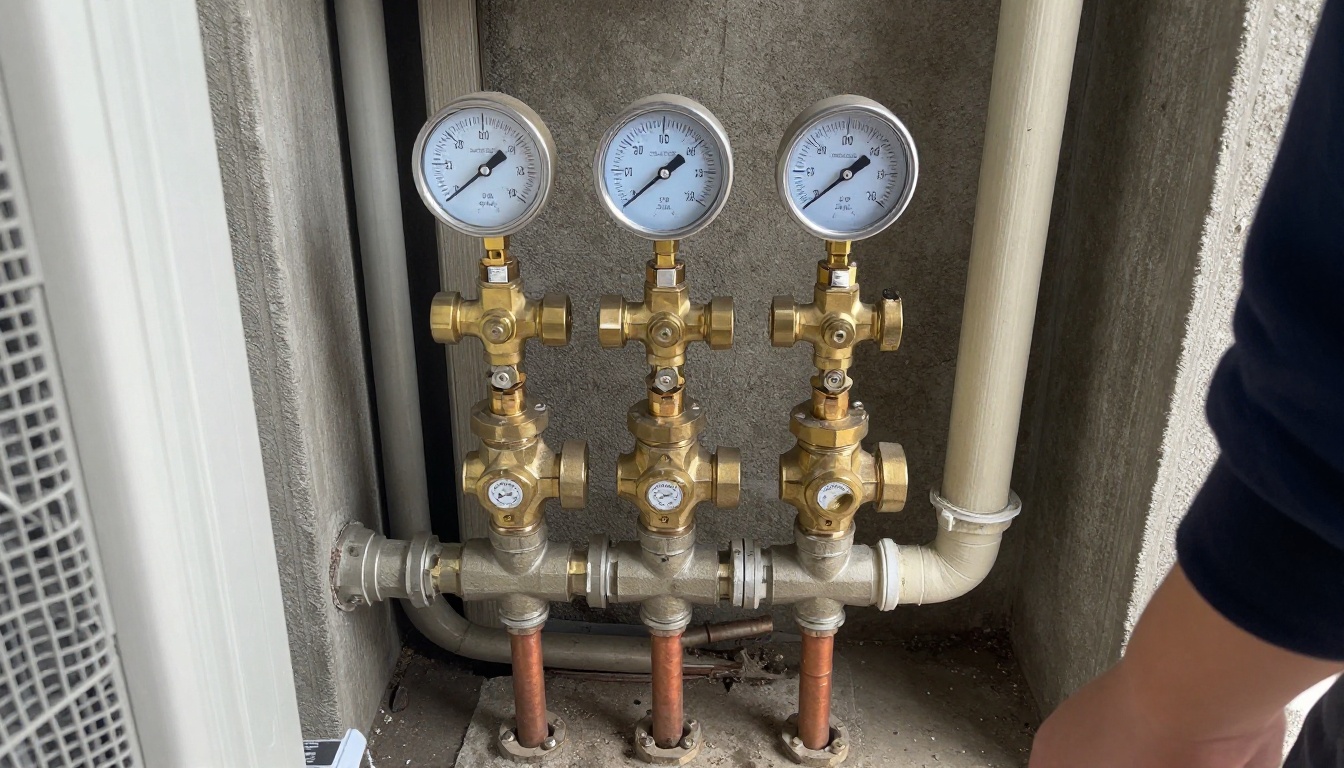
Second, review exception reporting. Most submetering systems can show continuous or near-continuous flow by suite. A suite that records usage every hour, including overnight, deserves inspection. A good in-suite review typically includes toilets, faucets, shower valves, fridge feeds, dishwasher and laundry connections, stop valves, and visible caulking or seepage around fixture penetrations. This is where targeted in-suite plumbing repairs and toilet and faucet repairs often resolve what looked like a metering dispute.
Third, verify pressure. Static and flowing pressure should be checked at representative floors and pressure zones, not just in the mechanical room. A building with poor pressure control can burn through fill valves and cartridges, particularly in the upper or lower parts of the system depending on how the PRVs and boosters are arranged. If pressure maintenance is overdue, boards should consider pressure reducing valve maintenance and replacement as part of the solution, not as a separate issue.
Fourth, inspect the common system. Look at meter rooms, domestic mains, mechanical equipment, expansion tanks, relief discharge points, make-up assemblies, and any areas where a small but constant leak could go unnoticed. In older Oakville buildings with mixed original and repaired piping, hidden seepage above ceilings or in service shafts is not unusual. If there is reason to suspect drainage involvement or concealed moisture, a camera pipe inspection can help rule out related failures.
Fifth, check shutoff reliability and access. If a suite shows continuous flow but its local stops are seized or unreliable, the repair becomes more expensive and disruptive. This is one reason buildings with poor valve condition often end up needing a wider sectional and isolation valve replacement strategy instead of endless reactive calls.
For evidence, do not settle for “we think it’s the toilet.” Ask for trend data, pressure readings, fixture findings by suite or by tier, photos where appropriate, and a written separation between confirmed plumbing leaks, likely fixture waste, and metering/system issues. If the recommendation is larger than spot repairs, the board should also ask whether the pattern indicates aging risers and whether domestic water riser replacement belongs in the medium-term plan.
A representative Oakville service call
A representative project was in a 14-storey condominium from the early 2000s in central Oakville, west of Trafalgar. The property manager’s concern was that several residents had disputed their submeter charges at the same time the corporation’s overall water cost had risen noticeably over two quarters. The building had suite submeters, copper domestic piping, original PRVs in parts of the system, and many original toilets and faucet cartridges.
The first step was to review the consumption pattern. Several suites showed continuous low-volume flow, but the bigger concern was that the building’s overnight base flow remained higher than expected even after those suites were accounted for. On site, fixture testing found multiple silent toilet leaks and two shower cartridges passing continuously. Pressure checks at lower and mid-level suites also showed higher-than-ideal pressure variation for the fixture package installed in the building.
The work was split into phases. Phase one involved targeted in-suite inspections and repairs in the highest-use suites, including toilet rebuilds, cartridge replacement, and stop-valve work where access allowed. Phase two addressed the domestic pressure-control side with mechanical-room PRV service and adjustments, along with a review of shutoff condition for future maintenance planning. A small common-area leak at a janitor sink branch was also found and repaired.
The immediate field work took about four working days spread over two weeks because suite access had to be coordinated. The rough cost for the investigative and first repair phase was in the range of $9,000 to $18,000, depending on access, number of fixtures repaired, and after-hours requirements. The result was not just fewer resident complaints; the building also had better evidence to separate recoverable suite issues from common-system maintenance.
Costs and timelines for Oakville buildings
Costs vary widely because “high water consumption” can describe anything from a handful of fixture repairs to a building-wide pressure and valve problem. For Oakville condominiums, these are realistic market estimates, not quoted prices.
A desktop review of consumption trends, bulk-versus-submeter reconciliation, and a focused site inspection usually starts around $1,500 to $4,000 depending on the amount of data, number of visits, and whether in-suite checks are included.
Targeted in-suite investigation and repair programs often run roughly:
- $250 to $650 per toilet for common repair items such as flappers, fill valves, and supply components
- $250 to $900 per faucet or shower valve depending on trim, cartridge type, and shutoff reliability
- $300 to $1,200 per suite for a basic leak-and-fixture review when multiple fixtures are involved
If the building needs broader pressure control work, mechanical-room PRV service and minor repairs may fall in the low thousands, while more involved pressure reducing valve maintenance and replacement can move into roughly $4,000 to $15,000 or more depending on valve size, isolation condition, and access.
If valve failures are preventing efficient in-suite repairs, a limited sectional and isolation valve replacement program can range from several thousand dollars for a few problem valves to much more for a structured building-wide approach.
Timelines are often governed less by plumbing difficulty than by access. In Oakville condo buildings, booking residents, coordinating elevator use, and respecting quiet hours can easily stretch a one-week scope over several weeks. Older buildings may also have tight service spaces and poor shutoff records, which slows everything down. Fall planning helps because boards can review the work before winter emergencies compete for access and budget.
Repair versus replacement: how Oakville boards should decide
For most buildings, the first question is whether the consumption problem is isolated, recurring, or systemic.
If the issue is concentrated in a small number of suites and the building’s pressure is stable, targeted repairs are usually the right answer. That means using exception reports to direct in-suite work, documenting the findings, and then monitoring whether the same suites or fixture types reappear.
If the same complaints keep coming back across many suites, the board should ask whether it is really a fixture-age issue or a system-condition issue. A building that repeatedly replaces fill valves and cartridges may actually have unstable pressure, poor shutoff control, or aging risers delivering debris that shortens fixture life. In those cases, combining suite repairs with pressure reducing valve maintenance and replacement, a valve audit, charting and exercise program, or a larger capital review is more cost-effective than repeated service calls.
If the building has widespread domestic water deterioration, inaccessible or failed valves, and persistent leakage events, the conversation may shift from maintenance to project planning. That is where project solutions for capital plumbing work and, in some cases, full building re-piping become relevant. Not every high bill points that far, but boards should at least understand whether they are paying operating dollars to delay reserve-funded work.
The Condominium Act and reserve fund planning matter here. Water-waste investigations often start as operating issues, but if the findings show end-of-life infrastructure, the board needs to align the repair path with reserve fund study assumptions and update cycles. For in-suite changes beyond like-for-like repairs, section 98 alteration implications may also need review depending on the corporation’s governing documents and the nature of the work.
What deferring water consumption problems costs
The direct cost is obvious: higher water and sewer charges. The indirect cost is usually larger.
First, resident disputes increase administrative load. Once residents believe the submetering is unfair, management spends time reviewing bills, arranging inspections, and handling chargeback disputes. If the building cannot clearly show whether consumption is real, trust erodes.
Second, small leaks become larger claims. A toilet that runs for months is wasteful; a failed stop valve or compromised supply hose can become an insurance event. The longer shutoffs go untested, the harder it is to isolate problems without affecting neighbouring suites. This is why many boards pair water-consumption review with all repairs and service planning and a practical valve program.
Third, reserve planning gets distorted. If the board treats every high bill as a one-off service issue, it can miss the pattern that points to aging infrastructure. Conversely, if it assumes every complaint means a major project, it can overreact. Good evidence lets the board decide whether the spending belongs in operations, reserve funding, or a phased renewal.
Fourth, emergency response becomes more likely in winter. In fall, it is sensible to review shutoffs, pressure control, and any known weak fixtures before colder weather and heavier holiday occupancy. Buildings that leave known issues in place often end up needing 24/7 emergency leak response at the worst possible time.
FAQs about water submetering and high water bills in Oakville
What usually causes a sudden high water bill in an Oakville condominium with submeters?
In Oakville condominiums, the most common causes are silent toilet leaks, dripping lavatory faucets, failed fill valves, leaking mixing cartridges, irrigation or hose bibb losses on podium or terrace levels, and domestic water leaks in common piping that are not obvious to residents. We also see metering issues such as failed pulse outputs, communication gaps, or a mismatch between the building bulk meter trend and the sum of suite submeters. The right approach is to compare overnight base flow, suite exception reports, and common-area consumption before assuming the submeter itself is wrong.
How can a property manager tell whether the problem is a bad submeter or real water consumption in Oakville?
Start by comparing the utility bulk meter to the aggregate of all suite submeters over the same billing period, then look at overnight flow when legitimate demand should be low. If one suite shows continuous flow every hour of the day, that usually points to a fixture leak rather than a billing error. If an entire stack, tier, or wing trends high, the issue may be pressure related, a common-area leak, or a data collection problem that needs both plumbing review and meter system review.
Are pressure problems linked to water submetering complaints in Oakville buildings?
Yes. In many Oakville mid-rise and high-rise buildings, unstable pressure or poorly maintained pressure reducing valves can make toilet fill valves chatter, shorten cartridge life, and increase fixture leakage that shows up as higher consumption. A building with pressure spikes should review its PRV maintenance, and in some cases pressure reducing valve maintenance and replacement is part of reducing avoidable water use.
What evidence should a condo board ask for before approving work on an Oakville water consumption problem?
Ask for trend data, not just a verbal opinion. That means bulk-versus-submeter reconciliation, a list of outlier suites, fixture test results, pressure readings at representative floors, and where relevant, photo documentation or a camera pipe inspection for suspected concealed leaks. For capital recommendations, the board should also see whether the issue belongs in routine maintenance, a reserve-funded renewal, or a targeted in-suite repair program.
Can water submetering problems in Oakville be handled during budget season without waiting for an emergency?
Usually, yes. Fall is a practical time to review water consumption trends, identify high-use suites, inspect mechanical room pressure control, and line up in-suite repair access before winter occupancy increases and holiday cooking loads hit the building. Many Oakville boards use this period to combine submetering review with maintenance programs, valve planning, and winter shutoff readiness.
Does a high water bill always mean there is a domestic water pipe leak in an Oakville condo?
No. A hidden domestic leak is one possibility, but in multi-residential buildings the total can also be driven by dozens of smaller fixture losses spread across suites, common-area janitor sinks, amenity rooms, irrigation make-up, or continuously running toilets. The job is to separate one large leak from many small ones, because the repair plan and budget are very different.
Next steps for Oakville property managers and boards
If your Oakville building is dealing with water submetering complaints, a rising high water bill, or unexplained water consumption, start with evidence and scope control. Reconcile the bulk meter to the submeters, identify whether the problem is suite-specific or systemic, and review pressure control and shutoff condition before the board commits to either piecemeal repairs or a capital program.
BMI serves Oakville and the surrounding GTA from our Toronto shop. We work primarily in condominium and multi-residential buildings, and we can help management teams sort out whether the right next step is targeted in-suite plumbing repairs, a pressure-control review, a valve strategy, or a broader maintenance plan. You can also review completed projects and building references or contact us to discuss the building’s consumption pattern and access constraints.
Contact BMI
- Contact BMI
- Phone: (416) 845-3756
- Emergency: (416) 845-3756, answered 24 hours a day
- Email: info@brial.ca
More on condominium plumbing
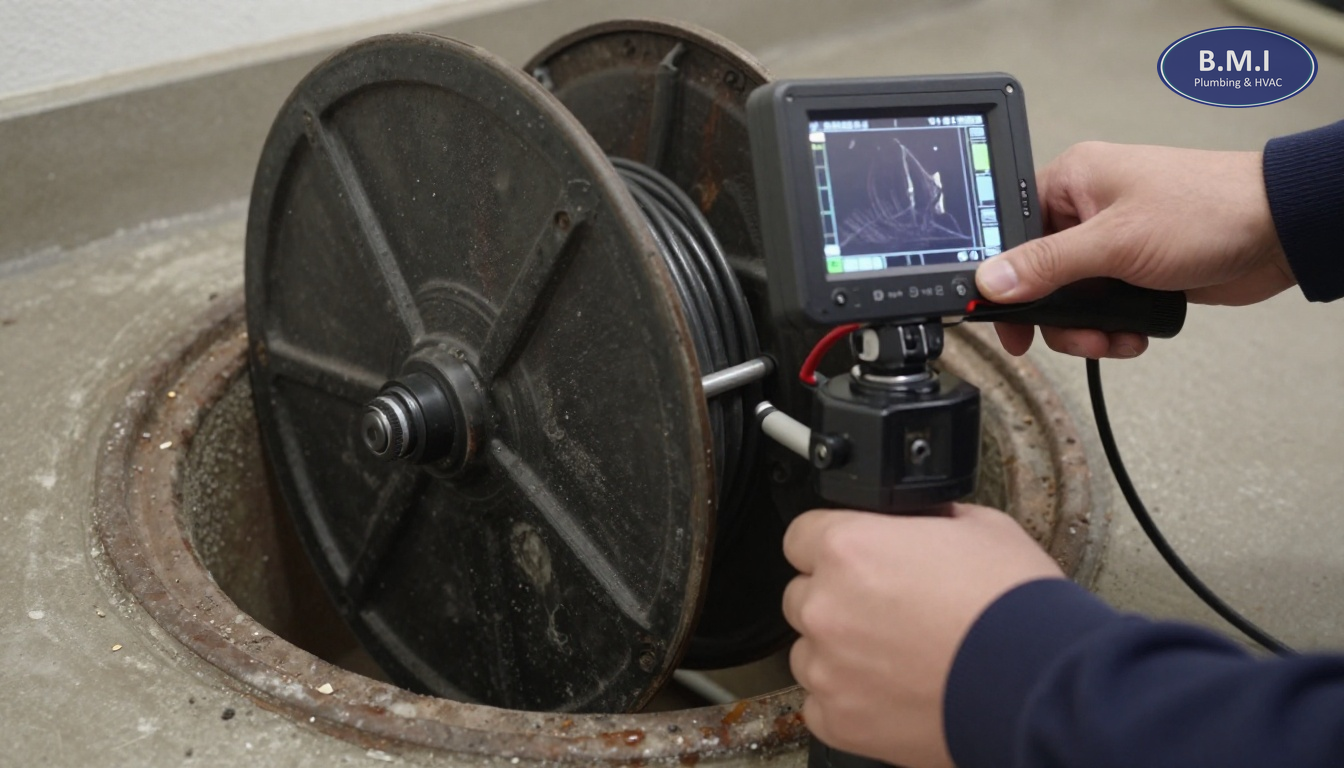
Camera Pipe Inspection in Etobicoke Condominiums
Camera pipe inspection in Etobicoke for condos and rentals. Learn how CCTV drain surveys diagnose stack, branch and …
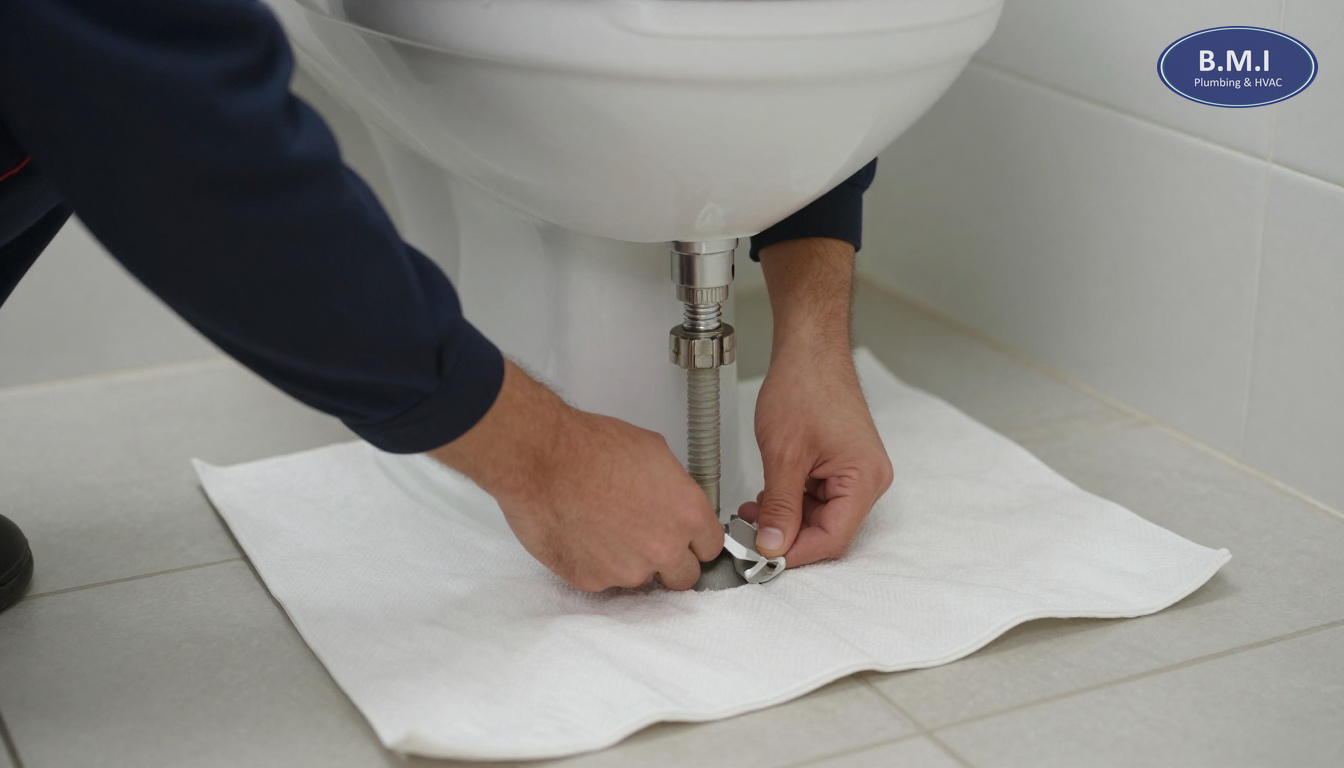
In-Suite Plumbing Repairs in Whitby Condominiums
Practical guidance on in-suite plumbing repairs in Whitby condominiums, including diagnosis, costs, timelines, and …
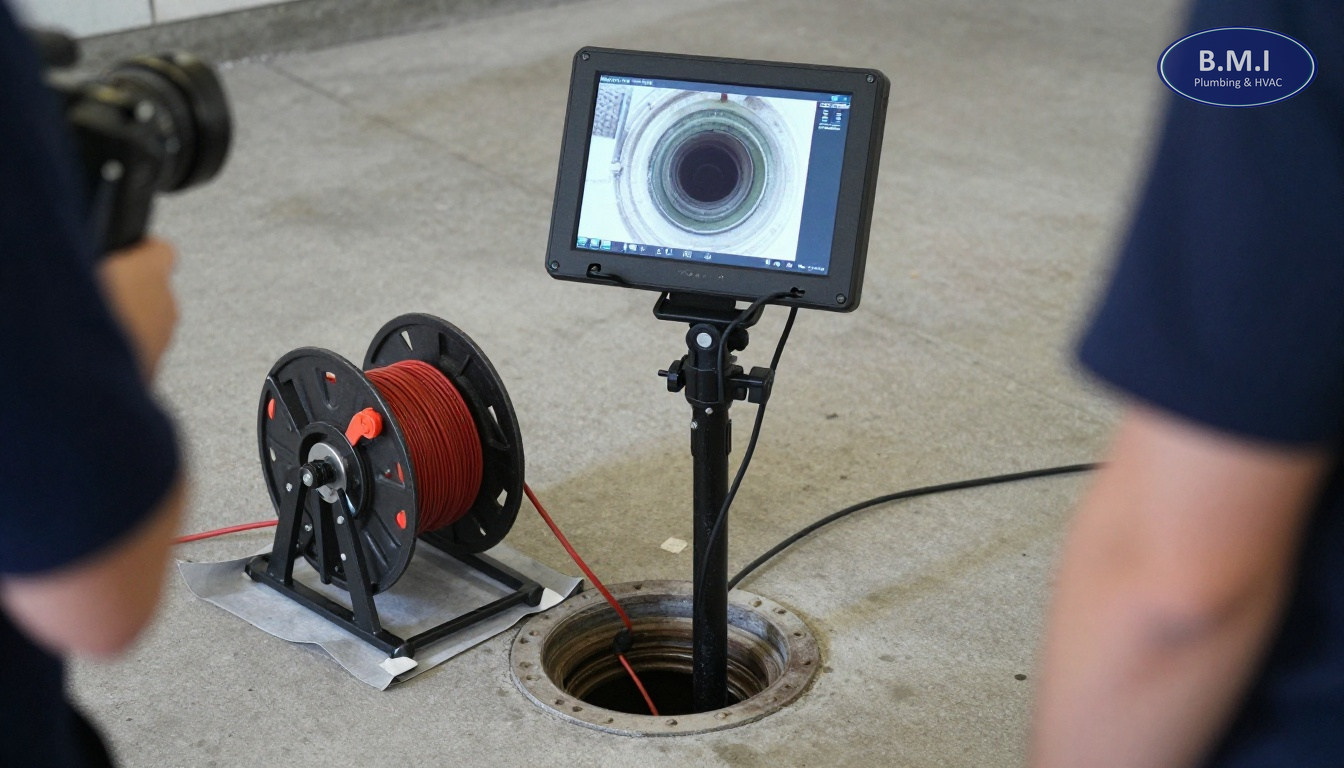
Camera Pipe Inspection in Mississauga Condominiums
Camera pipe inspection in Mississauga for condos and rentals. Learn when CCTV drain surveys are needed, what they show, …
Need a plumber in your building?
BMI services roughly 200 condominium and multi-residential buildings across Toronto and the GTA. Emergencies are answered at any hour.