Water Submetering and Consumption Problems in Toronto
How Toronto condo boards and managers should investigate water submetering, high water bills, leaks and abnormal consumption patterns.
Water Submetering and Consumption Problems in Toronto
Quick summary: In Toronto condominiums, most water submetering complaints are not really about the meter. They are usually about a plumbing condition that is allowing water to move continuously or intermittently through a suite, most often a running toilet, worn cartridge, pressure problem or concealed leak. For boards and property managers, the job is to separate billing noise from actual plumbing evidence quickly, before resident disputes, chargebacks and avoidable water costs pile up.
Why water submetering issues show up in Toronto buildings specifically
Toronto has several distinct generations of condominium stock, and each one creates different water consumption patterns. In the downtown core and along corridors such as Yonge, King and Queens Quay, many towers built in the late 1990s through the mid-2010s were delivered with suite-level submeters or later retrofitted for consumption-based billing. In North York and Etobicoke, many towers from the 1980s and 1990s now have aging toilets, cartridges, angle stops and pressure-control equipment that were never designed to stay trouble-free for 30 or 40 years. Older rental and condo stock in East York, Scarborough and parts of midtown may also have a mix of original piping, piecemeal fixture replacements and inconsistent shutoff conditions, which complicates any submetering complaint.
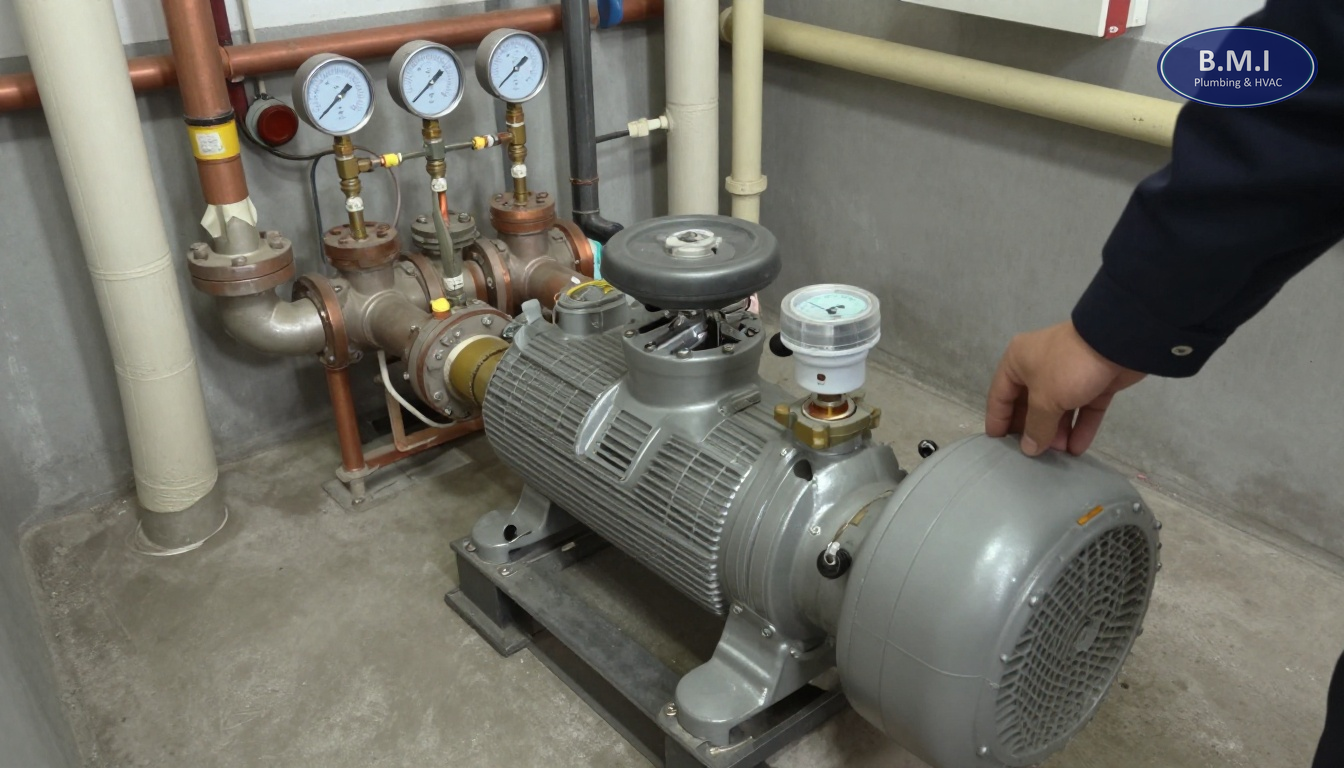
Toronto Water supplies the city, and in high-rise buildings the municipal supply is only one part of the pressure story. Once water enters the building, booster pumps, pressure zones and floor-level pressure reducing valves often determine what residents actually experience at the fixture. That matters because a suite can show elevated consumption even when the resident never sees an obvious leak. A toilet can trickle silently into the bowl, a cartridge can pass a small but constant volume, or a humidifier line can seep just enough to register on the submeter over weeks.
Season also matters. In fall, Toronto boards are often preparing next year’s operating budget and reserve discussions at the same time residents are back from summer travel and noticing unexpectedly high bills. This is also when buildings should be reviewing pressure reducing valve maintenance before winter pressure swings and before holiday occupancy puts more demand on fixtures. Where kitchen use rises around late fall and winter gatherings, managers also tend to see more drain and stack-related service calls, which is why many boards pair consumption reviews with broader maintenance programs for condominium plumbing.
Another Toronto-specific factor is access. In dense downtown towers, service parking, loading dock booking and elevator protection can all slow down what should be a simple inspection. In older buildings around St. Clair, Don Mills or parts of west-end Etobicoke, service rooms and riser access can be tight, with original shaft layouts that make it harder to isolate or inspect without coordinating multiple trades or multiple suites.
How water consumption problems present in Toronto condominiums
Property managers rarely receive a complaint that says, accurately, “my toilet flapper is passing.” What they hear instead is usually one of the following:
- “My Toronto water submeter bill doubled and nothing changed in the suite.”
- “The resident was away for two weeks and still shows usage.”
- “We replaced the toilet last year and the bill is still high.”
- “Several suites on the same stack are complaining at once.”
- “The resident hears water movement at night.”
- “The bill spikes every few months instead of staying high all the time.”
Those complaint patterns matter. Continuous overnight use strongly suggests a fixture or concealed leak. Intermittent spikes may point to toilet refill events, appliance cycles or resident usage patterns, but can also reflect pressure fluctuations in the building. Multiple complaints on the same line or floor can indicate a shared pressure-control issue rather than isolated suite behaviour.
In Toronto towers with original 1990s or early-2000s water closets, the toilet remains the biggest culprit by far. A toilet can run quietly enough that the resident never notices, especially in units with fan noise, street noise or residents who are away during the day. The next most common sources are worn shower or tub cartridges, sink faucets that drip only under certain pressure conditions, failed braided supplies, leaking shutoffs, refrigerator or ice-maker lines, and humidifier feeds in suites that have added them over time.
Where consumption complaints are paired with resident comments about hammering, noisy valves or unstable fixture pressure, the investigation should not stop at the suite. Those symptoms can point back to building-side pressure problems, failed local PRVs or neglected isolation valves. That is why many managers bundle submetering investigations with a broader review of valve audit and charting programs and in-suite plumbing repairs.
Diagnosing water submetering complaints in Toronto: what to inspect and what evidence to demand
A good investigation starts with the data, but it cannot end there. Meter reads show that water moved. They do not prove why. For Toronto property managers, the practical sequence is usually:
- Review the consumption history for the suite over several billing periods.
- Compare it to known occupancy changes, vacancy periods and any recent plumbing work.
- Confirm whether the building has had pressure complaints, PRV issues or booster adjustments.
- Inspect the suite fixtures physically.
- Document findings with photos, meter observations and, where useful, video.
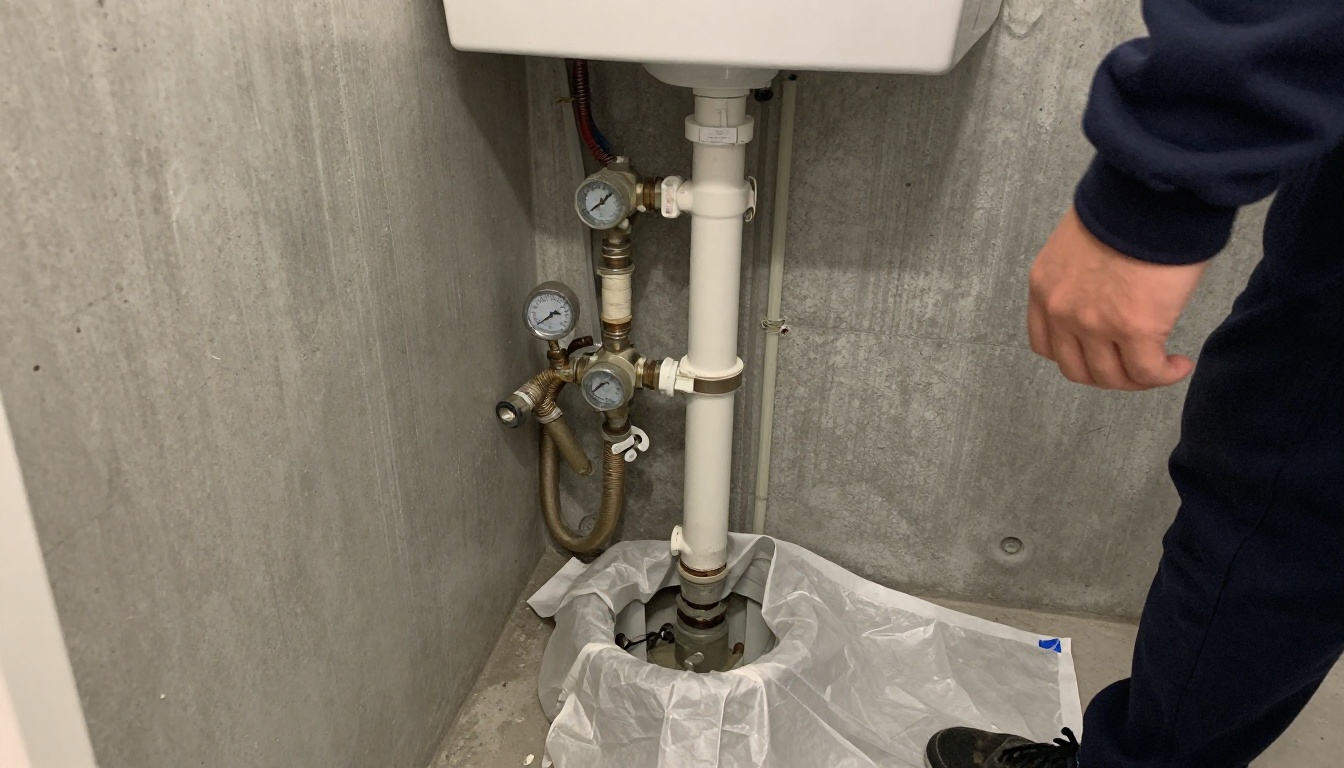
The first in-suite check is usually the toilet. A proper inspection should include dye testing where appropriate, observation of refill behaviour, fill valve shutoff, flapper condition, chain adjustment, bowl seepage and whether the shutoff valve actually isolates. In many Toronto buildings, the fixture problem is simple but access is not. Corroded angle stops, seized shutoffs and brittle trim can turn a minor repair into a larger controlled service call. This is one reason experienced building plumbers matter more than generic handyperson troubleshooting.
After toilets, the plumber should inspect faucets, cartridges, shutoffs, braided supplies, appliance feeds and any visible piping under vanities or behind access panels. If no obvious source is found, meter behaviour during a controlled no-use period can be very helpful. In some cases, a camera pipe inspection is useful where concealed leakage or drainage cross-issues are suspected, though camera work is not the first tool for every high-bill complaint.
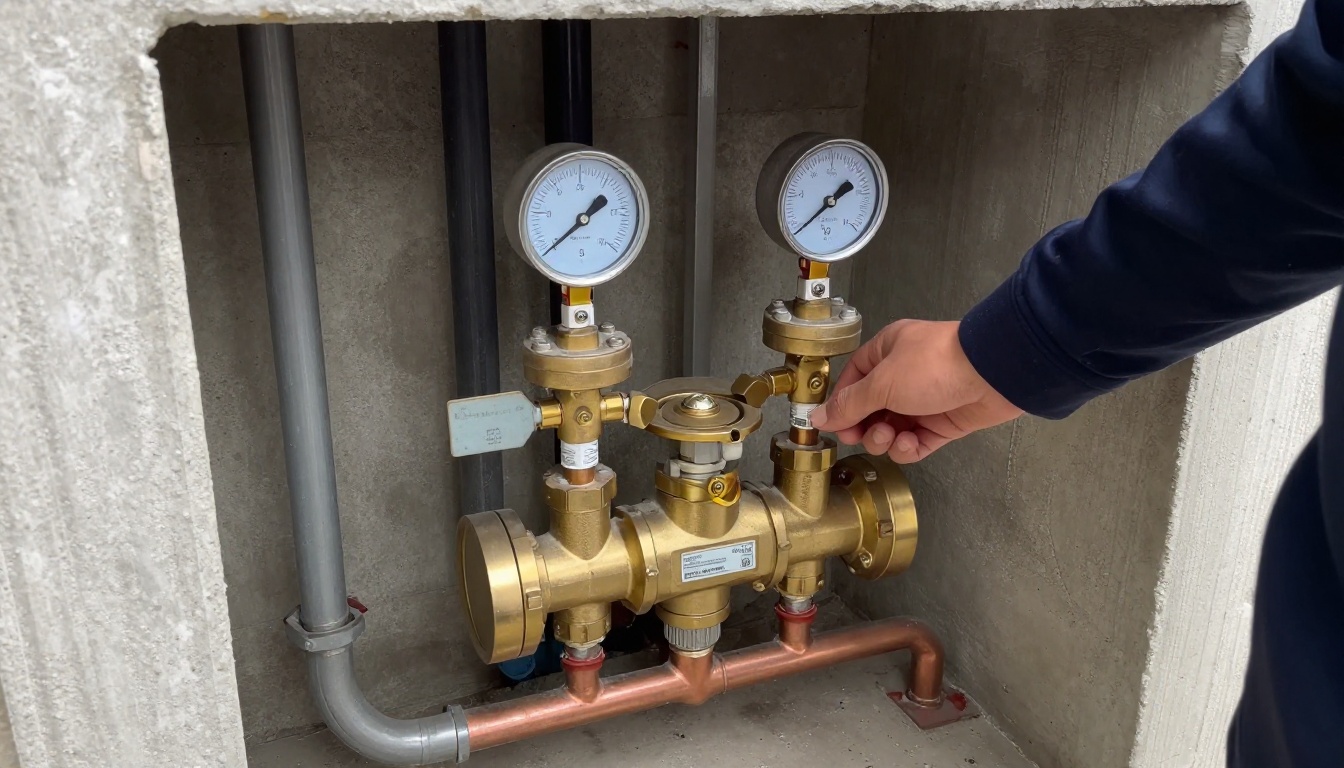
For buildings with repeated complaints across multiple suites, insist on building-side evidence as well. That can include pressure readings before and after PRVs, observations at floor-zone equipment, and confirmation that isolation valves are functional. If the building has a history of neglected valves, a targeted sectional and isolation valve replacement program may be part of the long-term fix.
For boards, the key documentation to insist on is straightforward:
- photos of failed or leaking components
- notes on whether the suite shutoffs worked
- before-and-after observations of meter movement where possible
- pressure readings if building conditions are suspected
- a clear statement of whether the issue appears in-suite, common element or unresolved
This matters for chargebacks, resident communication and reserve planning. Under the Condominium Act framework, boards need a defensible basis when they allocate costs or determine whether recurring plumbing issues belong in operating budgets, resident chargebacks or future capital planning.
A representative Toronto service call
A representative example would be a 27-storey condominium from the early 2000s near Yonge and Eglinton. The property manager received repeated complaints from three residents over one billing cycle, all reporting unusually high water submetering charges despite ordinary occupancy. One resident had been away for several days at a time and was convinced the meter was wrong.
The initial review showed continuous low-level consumption patterns overnight in two suites and intermittent spikes in the third. On site, the first two suites each had a toilet with a worn flapper and a fill valve that was not shutting down cleanly. In the third suite, the toilet was serviceable, but the shower cartridge was passing under pressure and there was a slow leak at a lavatory shutoff that had been hidden by stored items in the vanity. During the same visit, building staff mentioned recent pressure complaints on several mid-level floors.
A further check of the floor-zone pressure reducing valve showed unstable downstream pressure. It had not failed fully, but it was no longer controlling as consistently as it should. The immediate work included toilet rebuilds in two suites, cartridge replacement and shutoff replacement in the third, plus a recommendation for prompt pressure reducing valve maintenance and replacement on the affected zone. The suite work was completed in one day with scheduled access; the PRV work was completed under a separate shutdown.
The rough cost for the suite repairs was in the range of $1,200 to $2,500 total across the three suites, depending on fixture parts and shutoff condition. The zone PRV scope added roughly $2,500 to $6,000, depending on access, valve size, isolation condition and after-hours shutdown requirements. More importantly, the building now had written evidence separating resident-side fixture leaks from a broader pressure-control problem.
Toronto costs and timelines for this type of work
For budgeting purposes, Toronto property managers should treat the following as market ranges, not fixed prices. Actual cost depends on access, fixture condition, after-hours requirements, parking and loading logistics, and whether shutoffs work as intended.
A single-suite investigation for a high water bill complaint, including fixture inspection and minor diagnosis, often lands around a few hundred dollars for a straightforward daytime call. If repairs are needed, typical toilet rebuilds, fill valve or flapper replacement, cartridge replacement, or braided supply and shutoff work can bring a suite visit into the high hundreds or low thousands when multiple fixtures are involved.
Where several suites are affected, a half-day to full-day plumbing review is often more efficient than treating every complaint in isolation. Building-side pressure investigation, including PRV review, gauge checks and coordination with staff, can add materially to cost but often saves money by identifying a systemic issue early. A localized toilet and faucet repair program for multiple suites is often the most economical response when a building sees repeated submetering complaints from aging fixtures.
Typical rough Toronto ranges in 2026 might look like this:
- single-suite investigation with minor repair: roughly $400 to $1,200
- toilet rebuild or replacement of internal components: roughly $350 to $900 per fixture depending on shutoff condition and parts
- faucet or shower cartridge diagnosis and replacement: roughly $350 to $1,000+
- replacement of seized local shutoffs or braided supplies: roughly $250 to $800 per location, sometimes more if access is poor
- floor-zone or local PRV maintenance/replacement: roughly $2,500 to $8,000+ depending on size, isolation and shutdown complexity
- broader building review of pressure-control and recurring leak patterns: often several thousand dollars, especially if multiple visits or after-hours coordination are required
Timeline is usually short for diagnosis and longer for organized corrections. A single complaint can often be inspected within days. A multi-suite program may take one to three weeks to coordinate access, notices and parts. If the building needs valve work, shutdown notices and elevator booking can become the pacing item rather than the plumbing itself. For buildings already planning broader upgrades, managers should also review project solutions for aging condominium plumbing systems.
Repair versus replacement in Toronto buildings
The right decision depends on whether the problem is isolated, repetitive or systemic.
If one suite has one failed fill valve, that is a repair issue. If a Toronto building is seeing the same complaint in dozens of suites with original toilets, cartridges and shutoffs, it becomes a program issue. At that point, reactive service is usually the expensive path because each call carries separate access, administration and resident-friction costs.
The same logic applies on the building side. If a PRV needs adjustment once, that is maintenance. If pressure instability keeps showing up in complaints and fixture failures, the board should think in terms of scheduled pressure reducing valve maintenance or replacement. If isolation is poor and every repair requires heroic shutdown planning, a targeted valve replacement program may produce better operating results than continuing to patch around seized valves.
For older Toronto towers with broader domestic water issues, repeated submetering disputes can sometimes be an early warning sign of larger piping decline. Chronic leaks, poor pressure control and unreliable shutoffs may justify planning for domestic water riser replacement or even more extensive building re-piping over time. Not every high bill points there, but boards should not ignore the pattern if the building keeps paying for the same symptom in different suites.
What deferring water consumption problems costs
The first cost is the water itself, but that is usually not the most serious one. The bigger costs are administrative and operational.
When residents receive repeated high water bills with no clear plumbing diagnosis, management time gets consumed by disputes, billing reviews, suite re-attendance and arguments over responsibility. If the board later needs to issue a chargeback, weak documentation makes that process harder to defend. If the building ignores pressure issues, fixture failures can multiply and turn consumption complaints into leaks, insurance claims and emergency access situations.
Deferral also distorts budgeting. Small recurring repairs that should have informed the annual operating plan instead show up as scattered service calls with no pattern tracking. During fall budget season in Toronto, this is exactly the right time to review the previous year’s high-consumption complaints and decide whether a scheduled fixture-refresh or pressure-control program belongs in next year’s numbers.
There is also a resident relations cost. Submetering is meant to make consumption fairer and more transparent. If the plumbing behind it is not maintained, the billing system becomes a source of conflict rather than accountability. That is why many boards pair complaint response with preventive work such as in-suite plumbing repair programs, 24/7 emergency plumbing response planning and broader condominium maintenance programs.
FAQs about water submetering and consumption problems in Toronto
Who is responsible when a Toronto condo suite has unusually high water consumption?
That depends on the declaration, rules and whether the source is a common element or an in-suite fixture. A running toilet, leaking faucet cartridge or failed fill valve is often treated as an in-suite maintenance issue, while unstable pressure, failed PRVs or leaking risers can be a building-side problem. Property management should confirm the plumbing cause before assigning chargebacks, because meter data alone does not tell you where the water went.
Can a water submeter itself cause a high bill in Toronto?
It can, but in practice most high-consumption complaints trace back to real water movement through a fixture, toilet or appliance. A faulty meter, communication error or billing platform issue is possible, which is why the investigation should compare suite meter reads, building bulk water use and observed fixture conditions. If the pattern is continuous overnight flow, the plumbing usually deserves attention first.
What fixtures most often drive abnormal water consumption in Toronto condominiums?
Running toilets are the most common cause, especially in towers from the 1990s and 2000s where original fill valves and flappers are now at end of life. After that, managers often find dripping tub or shower cartridges, leaking humidifier lines, stuck ice-maker feeds, failed relief lines and concealed leaks at angle stops or braided supplies. In newer suites, improperly adjusted pressure can also shorten fixture life and increase nuisance leakage.
How quickly should a Toronto property manager act on a high water bill complaint?
Promptly, because a continuously running toilet can waste a meaningful volume of water every day and can also trigger resident disputes over billing. In most Toronto buildings, the right sequence is same-day triage, suite access as soon as practical, then written findings with photos and meter observations. If multiple suites are showing unusual use, building-wide pressure and valve conditions should be reviewed at the same time.
Should Toronto condo boards budget for submeter-related plumbing work every year?
Yes. Even where the meters and billing are handled by a third party, the plumbing causes behind high consumption complaints still land on the building’s operating budget and reserve planning. Boards should expect annual spending on toilet and faucet repairs, periodic pressure reducing valve maintenance, and broader plumbing reviews as buildings age.
Can building pressure problems affect water consumption in Toronto suites?
Yes. Excessive or unstable pressure can cause toilets to overrun, cartridges to wear faster and appliance hoses to fail earlier, all of which can increase consumption or create leaks. In Toronto high-rises, especially where booster systems and floor-zone PRVs are involved, consumption complaints sometimes point back to building pressure control rather than a single bad fixture.
Next steps for Toronto property managers and condo boards
If your Toronto building is dealing with repeated water submetering complaints, start by treating them as a plumbing pattern, not just a billing issue. Review complaint history, compare overnight usage behaviour where possible, and inspect the fixtures and pressure-control equipment most likely to be causing ongoing flow.
Fall is a practical time to do this because boards are assembling budgets, planning winter shutdowns and deciding what belongs in operating work versus future capital planning. If the issue appears isolated, address the fixtures and document the findings. If the problem repeats across multiple suites or lines, step back and review the building’s pressure control, shutoff condition and aging domestic water infrastructure. BMI serves Toronto and the surrounding GTA from its Toronto shop, with service work ranging from targeted drain cleaning and plumbing service to broader capital plumbing project work.
For an inspection plan, budget input or a service call, use Contact BMI.
Contact BMI
- Contact BMI
- Phone: (416) 845-3756
- Emergency: (416) 845-3756, answered 24 hours a day
- Email: info@brial.ca
More on condominium plumbing
Water Submetering and Consumption Problems in Oakville
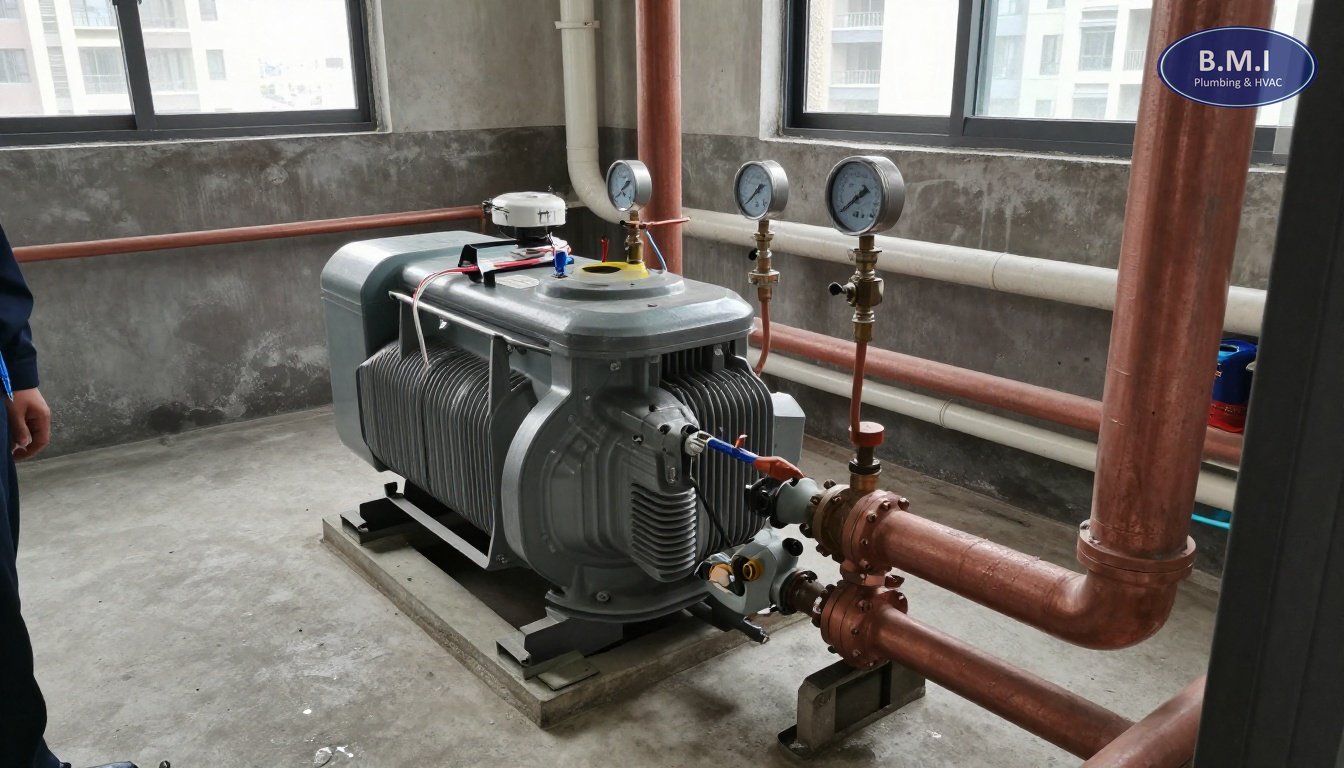
Water submetering and high water bill issues in Oakville condos: how to diagnose abnormal water consumption and plan …
Condo Drain Backup Signs in Toronto: Is It the Stack?
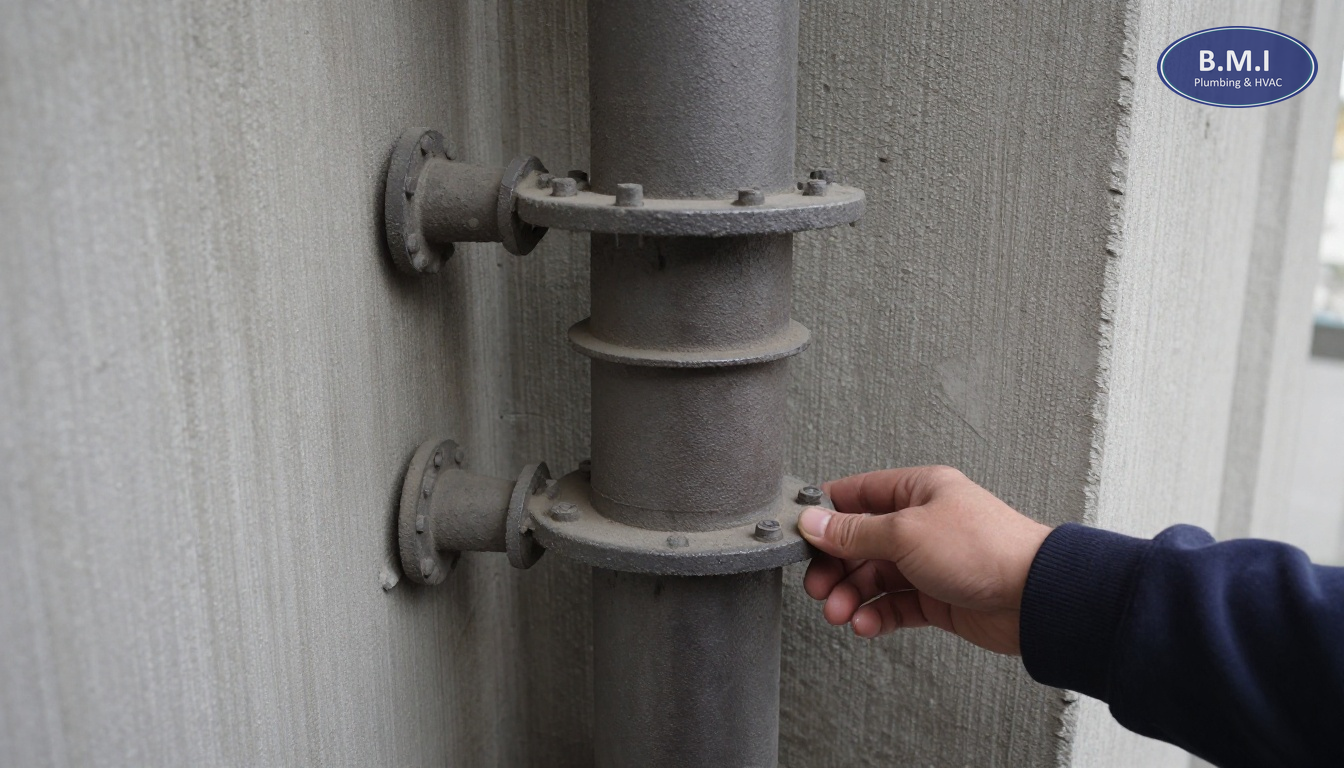
Learn which suite complaints signal a condo drain backup caused by a stack issue, what evidence to gather, and when …
Floor Drains and Trap Primers in Aurora Condos
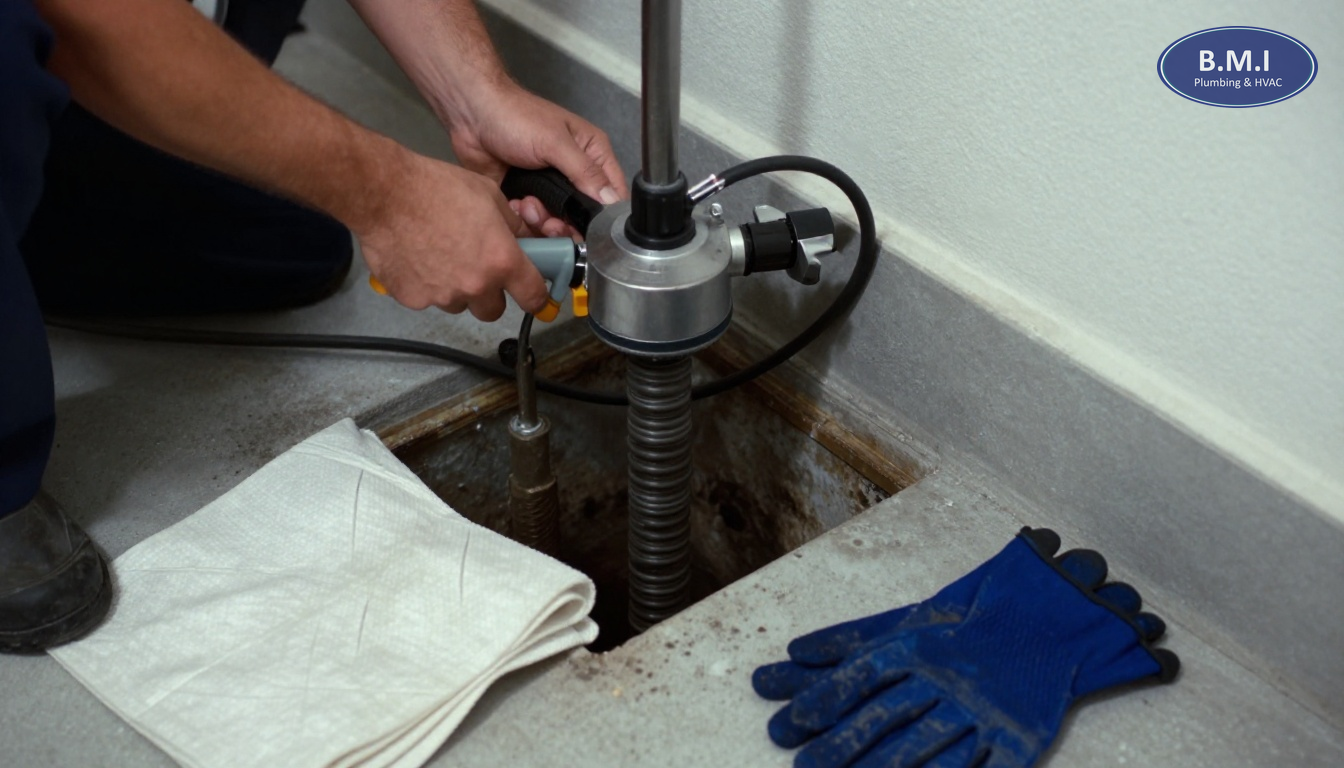
Floor drain and trap primer service in Aurora condos. Diagnose sewer gas smell, dry traps and failed primers in garages, …
Need a plumber in your building?
BMI services roughly 200 condominium and multi-residential buildings across Toronto and the GTA. Emergencies are answered at any hour.