
Camera Pipe Inspection & Condition Reporting
Capital decisions should rest on the measured condition of the pipe rather than on its age. We camera the system, record what is there and issue a written condition report a board can act on.
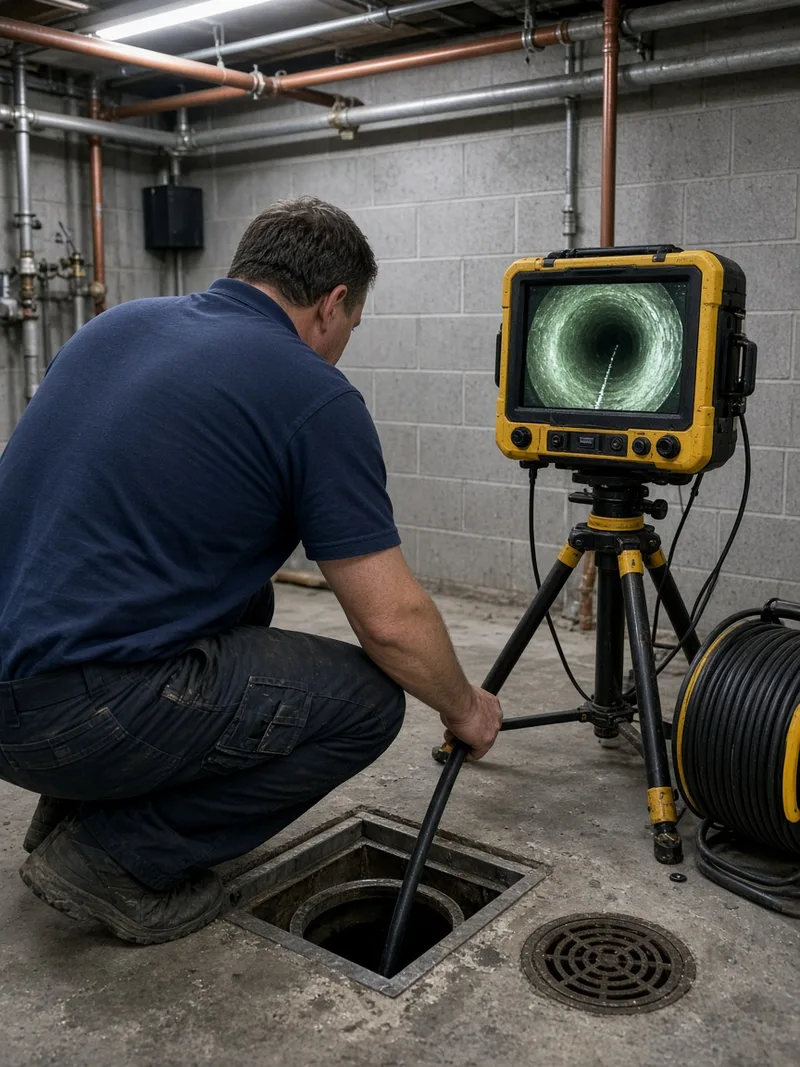
Age is a proxy. Condition is the measurement.
Most capital planning for building drainage rests on installation date and a typical service life drawn from a table. That approach systematically misprices both directions. Two identical towers built in the same year will have drainage in materially different condition depending on the water chemistry, the loading, the venting and whether anybody ever cleaned the stacks.
A survey removes the assumption. It establishes how much bore has been lost, whether the joints are holding, whether the wall is fracturing and where. Boards routinely find they have been funding replacement of a system with service life remaining, or cleaning a stack on a cycle when the pipe behind the deposit had already failed.
The finding has to be located to be useful
An observation without a position cannot be priced. A sonde in the camera head is tracked from the surface so every defect is fixed to a physical location and depth, which is the difference between a report a contractor can quote from and one that simply records that something is wrong somewhere in the run.
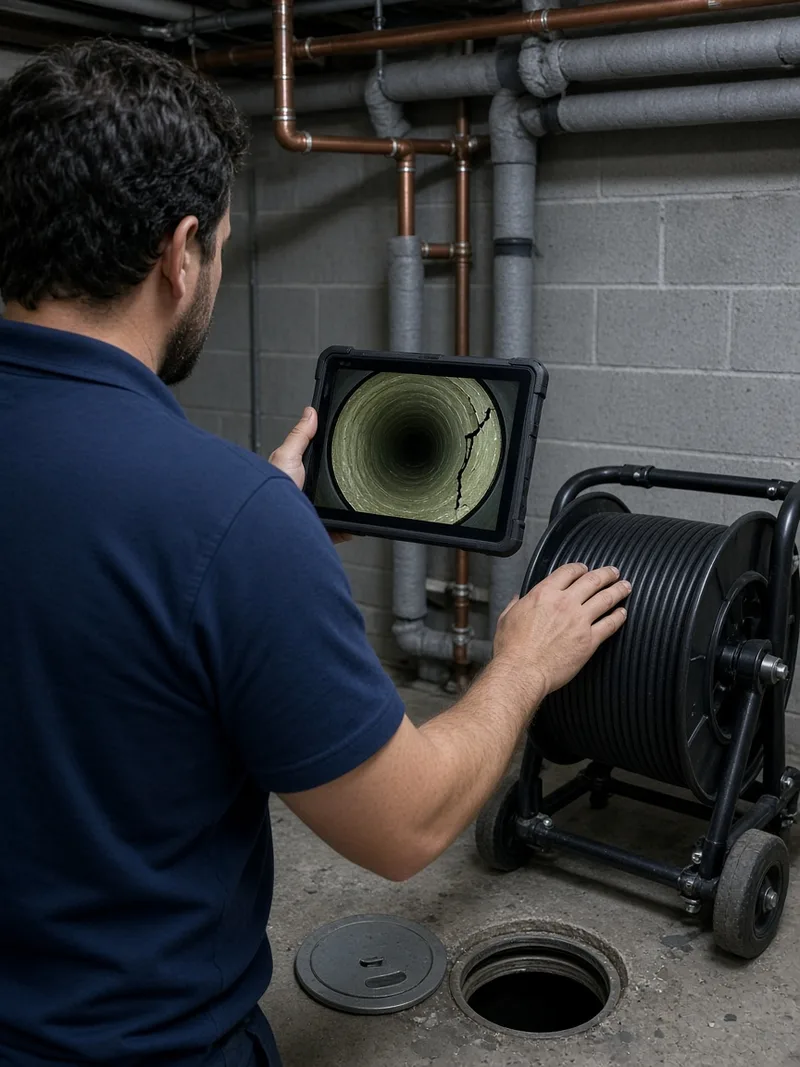
When a camera survey is the right next step
In each of these, the survey costs a fraction of the decision it informs.
A line that keeps blocking
Recurrence has a physical cause. Half an hour of footage converts a repeating operating cost into a defined repair.
A reserve fund study in progress
Engineers price drainage from condition where it is available and from age where it is not. The first is considerably cheaper to be wrong about.
A capital decision on the table
Before committing to replacing a system, establish independently that replacement is what the pipe requires.
A dispute over cause
After a loss, the footage establishes what failed. That determines apportionment far more reliably than recollection does.
No record of the system at all
Where nobody has ever opened the stacks, age and usage are the entire risk assessment the corporation is working from.
Work completed but never documented
Previous repairs and abandoned sections that appear on no drawing are a liability on the next project. A survey finds them.
What a survey finds, and what each finding changes
How we survey and report
Seven stages. The first decides whether the survey answers a useful question, and the fifth decides whether anyone can act on the answer.
-
Establish what is being inspected and why
An inspection driven by a specific question returns a useful answer. Whether the purpose is a recurring blockage, a reserve fund input, a pre-purchase assessment or a dispute over cause, it determines which lines are surveyed and how the findings are graded.
-
Identify and open the access points
We work from the existing cleanouts, roof vents and mechanical room access wherever they exist. Where a line has no access at all, that gap is itself a finding, and we recommend where a cleanout should be installed rather than cutting into finished pipe on the day.
-
Clean first where the line requires it
A bore packed with grease cannot be assessed, because the camera is reading the deposit rather than the pipe. Where the purpose of the survey is condition rather than blockage, the line is cleaned first so the footage shows pipe wall.
-
Run the camera through the full length
A self-levelling crawler is used on building drains and larger lines, a push camera on stacks and branches. The run is continuous and recorded end to end rather than sampled, because a single fractured section between two sound ones is precisely what the survey exists to find.
-
Locate and depth every defect from the surface
A sonde in the camera head is tracked from above so each defect is fixed to a physical position and depth. A report that says a fracture sits somewhere in a fifty metre run is not something a contractor can price; a marked location is.
-
Grade the findings consistently
Each observation is recorded against a consistent scale covering deposits, structural defects, joint condition, deflection and infiltration. Grading is what allows a board to compare one stack against another and to compare this survey against the next one.
-
Issue the footage and the written report
The corporation receives the recorded video, still captures of every defect, the located positions, the grading and a plain recommendation for each line: monitor, clean on a cycle, repair a section, or schedule replacement.
A document that survives the meeting it was presented at
The deliverable is not the visit. It is a record the corporation keeps, hands to an engineer, files against the reserve fund study and compares against the next survey. It is written for that purpose.
- Continuous recorded footage of every line surveyed, retained by the corporation
- Still captures of each defect, referenced to its position in the run
- Surface location and depth for every structural finding
- Consistent grading covering deposits, joints, fractures and deflection
- A stated recommendation per line: monitor, clean, repair or replace
- Missing or unusable access points identified, with where cleanouts should go
- Findings written in a form a reserve fund study can take without translation
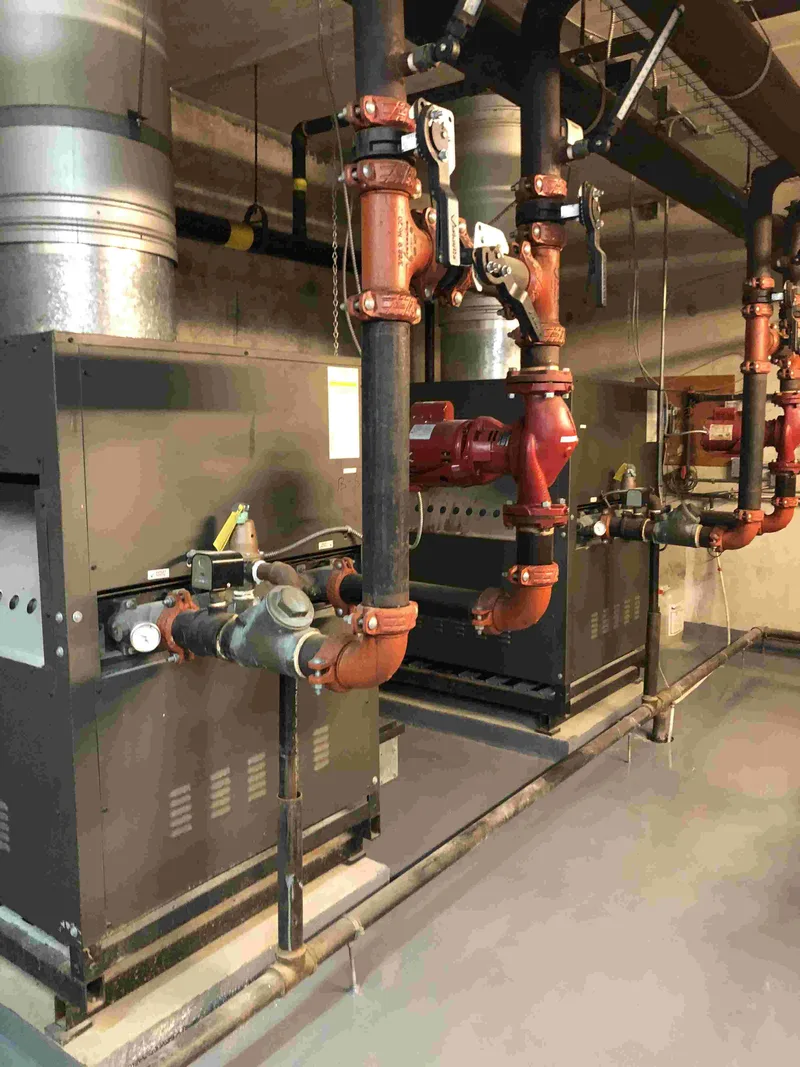
Camera pipe inspection at a glance
| Service | CCTV inspection and written condition reporting |
|---|---|
| Lines surveyed | Kitchen and sanitary stacks, building drains, storm lines, mechanical room piping |
| Equipment | Self-levelling crawler for mains, push camera for stacks and branches |
| Location method | Sonde in the camera head, tracked and depthed from the surface |
| Access | Base cleanouts, roof vent terminals, mechanical room; suites rarely needed |
| Building water shut off | No; residents on the surveyed stack are asked to minimise use |
| Pre-cleaning | Required where the purpose is condition rather than blockage |
| Duration | Hours for a single stack; a day or more for a full building survey |
| Deliverable | Recorded footage, located defects, grading and a recommendation per line |
| Recommended interval | After each cleaning cycle, or every five years for a comparable series |
| Service area | Toronto, North York, Etobicoke, Scarborough, Mississauga and the wider GTA |
| Emergency response | 24/7 for blockages and backups, (416) 845-3756 |
We can act on what the survey finds
An inspection-only contractor hands a board a report and leaves. BMI cleans, repairs and replaces the same lines it surveys, so a recommendation arrives with a route to executing it and with the practical judgement of a contractor who has replaced the pipe rather than only filmed it. Because we hold both the maintenance contract and the capital work, we have no reason to grade a stack toward the outcome that suits us.
Camera inspection questions
A camera pipe inspection sends a waterproof video camera through the inside of a pipe so its actual condition can be seen and recorded. In a condominium it is used on kitchen and sanitary stacks, building drains, storm lines and mechanical room piping. The output is recorded footage together with a written report that locates and grades what was found, which lets a board make a repair or replacement decision from evidence rather than from the age of the building.
Three situations account for most of the work. A line that keeps blocking, where the survey establishes whether the cause is a physical defect rather than usage. A reserve fund study or capital plan, where the engineer needs the condition of the drainage rather than an assumption based on its age. And a dispute over cause after a loss, where the footage establishes what actually failed. In all three, the inspection costs a fraction of the decision it informs.
Grease and scale deposits and how much bore they have taken, cracks and fractures, failed or open joints and hubs, corrosion and thinning of cast iron, low points holding standing water, protruding or broken branch connections, root intrusion in buried building drains, and previous repairs that were never recorded. What it cannot do is measure remaining wall thickness from the inside, which is why on pressurised distribution piping we pair it with ultrasonic testing.
Usually not. Most drainage inspection is carried out from the base cleanout in the basement and from the vent terminal on the roof, which reaches the full height of a stack without entering any unit. Suite access is only needed where a branch line specific to your unit is being surveyed, and in that case you will receive written notice with a date and window, and floor protection goes down while we are there.
No. Inspecting a drain does not require the building's water supply to be interrupted. What we do ask is that residents on the stack being surveyed minimise use during the window, because water running down the line while the camera is in it obscures the view. That request comes through property management with the notice, and it is normally a matter of hours rather than a full day.
The camera itself is not, but drainage work is. Protection goes down around every access point before anything is opened, the cable is wiped as it is retrieved, and the cleanout is resealed and the area cleaned before we leave. Where a line has to be jetted before it can be assessed, that part is contained at the cleanout and flushed to the base rather than pulled back up through the building.
It depends on the question being asked. If you want to know why a line blocked, the deposits are the evidence and we survey it as found. If you want to know the structural condition of the pipe for capital planning, the line has to be cleaned first, because a camera looking at an inch of hardened grease is reporting on the grease. We will tell you which applies to your lines before the visit rather than adding it on the day.
A single stack is typically a matter of hours including setting up and cleaning the access. A full survey of every stack and the building drain in a high-rise is usually a day or more, depending on how many columns there are and how accessible the cleanouts turned out to be. Buildings with no usable access points take longer, because establishing that gap and recommending where cleanouts should go is part of the work.
Yes. The recorded footage is yours, along with still captures of each defect and the written report. It should be filed with the building's records rather than left with the contractor, because its value compounds: the next survey is far more useful when it can be compared against this one, and a defect that has visibly worsened over two cycles is a much stronger basis for a capital decision than a single snapshot.
We can give you a properly reasoned assessment and we will not pretend it is more precise than that. What the footage establishes is present condition: how much bore has been lost, whether the joints are holding, whether the wall is fracturing, whether there is deflection. Combined with the material, the age, the leak history and the loading, that supports a defensible planning horizon. Anyone offering an exact number of years from a camera survey alone is guessing.
A push camera is a flexible rod with a camera head, pushed manually through the line. It is the right tool for stacks, branches and anything of small diameter, and it will go up as well as along. A crawler is a self-propelled, self-levelling unit driven through larger horizontal pipe, typically the building drain and storm lines. It carries better lighting and a steerable head, so it produces a much clearer record on the larger lines. Most buildings need both.
To a limited extent, and it is important to be clear about why. Drainage lines are open and can be surveyed at length. Pressurised distribution has to be isolated and drained first, and access is confined to whatever points exist. More importantly, the failure mode on a supply riser is wall thinning from the inside, which a camera cannot measure. For distribution we combine limited camera work with ultrasonic wall thickness testing and coupon sampling, which is what actually answers the question.
Inside a drainage line, often yes: an open joint, a fracture or a displaced section will show clearly and can be located and depthed from the surface. A leak on a pressurised line inside a wall is a different problem and a camera is the wrong tool, because there is nothing to run it through. For those we use a moisture meter, thermal imaging and acoustic equipment to trace the source before any finish is opened.
That is what it is written for. The report gives located and depthed observations, consistent grading, still captures and a stated recommendation per line, in a form that drops into a reserve fund study or an engineer's assessment without translation. If your consultant has a specific reporting format or grading standard they work to, tell us before the survey and we will produce it that way.
Yes, and it is a reasonable thing to ask for before committing to a capital project. A survey establishes what the pipe wall actually looks like, and the footage is yours to have reviewed by whoever you choose. It cuts both ways: we have surveyed stacks a building expected to replace and found years of service left in them, and we have surveyed stacks a board wanted to clean again and had to report that there was nothing sound left to clean back to.
For buildings on a scheduled stack cleaning programme, cameraing after the clean on each cycle is the sensible practice, because the access is already open and the bore is visible. For everything else, a full survey every five years gives a board a comparable series to plan against, and it should be brought forward where there is a new blockage pattern, before a major capital decision, or after any significant drainage failure.
Related programs and services
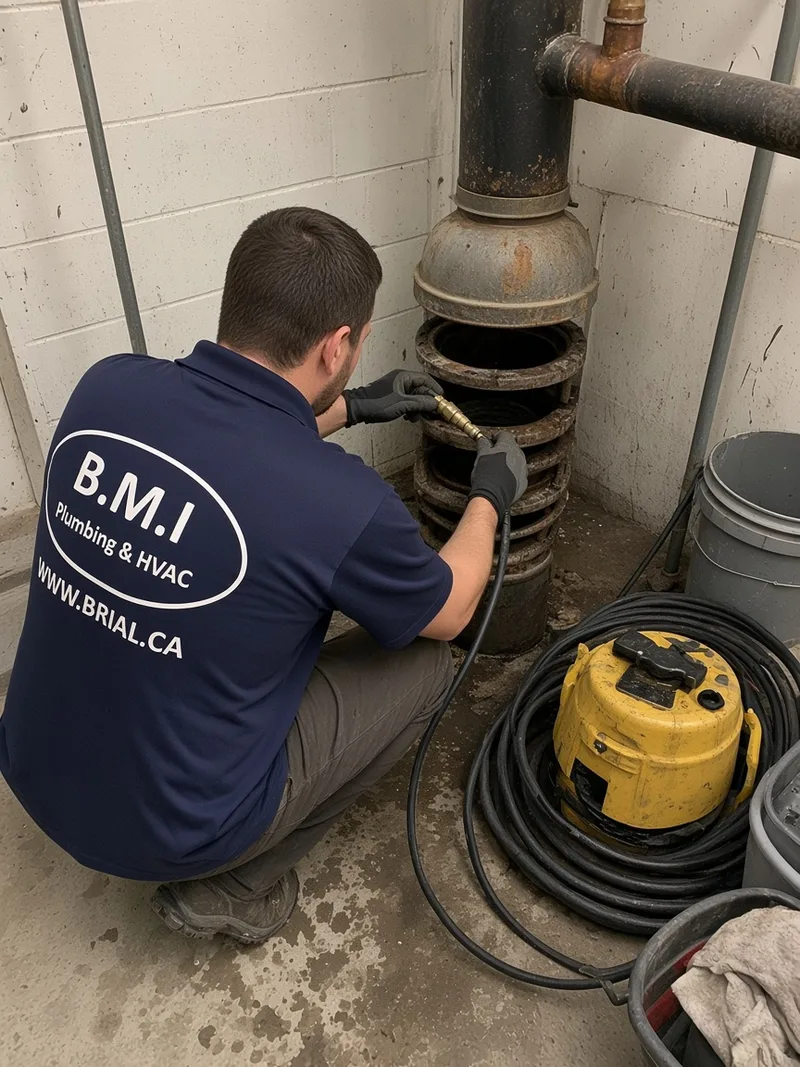
Kitchen Stack Cleaning
Scheduled jetting of kitchen waste stacks, camera-verified, with a written report on every stack.
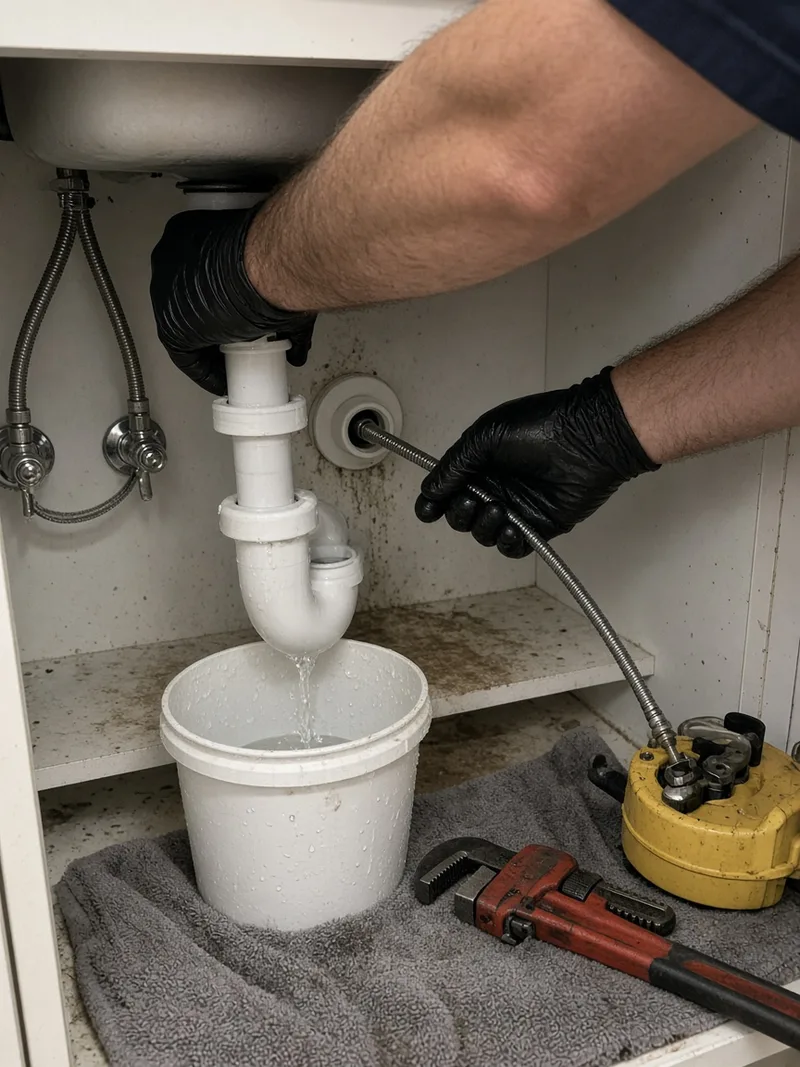
Drain Cleaning & Snaking
Blocked suite and common area lines cleared, with the cause identified rather than guessed at.
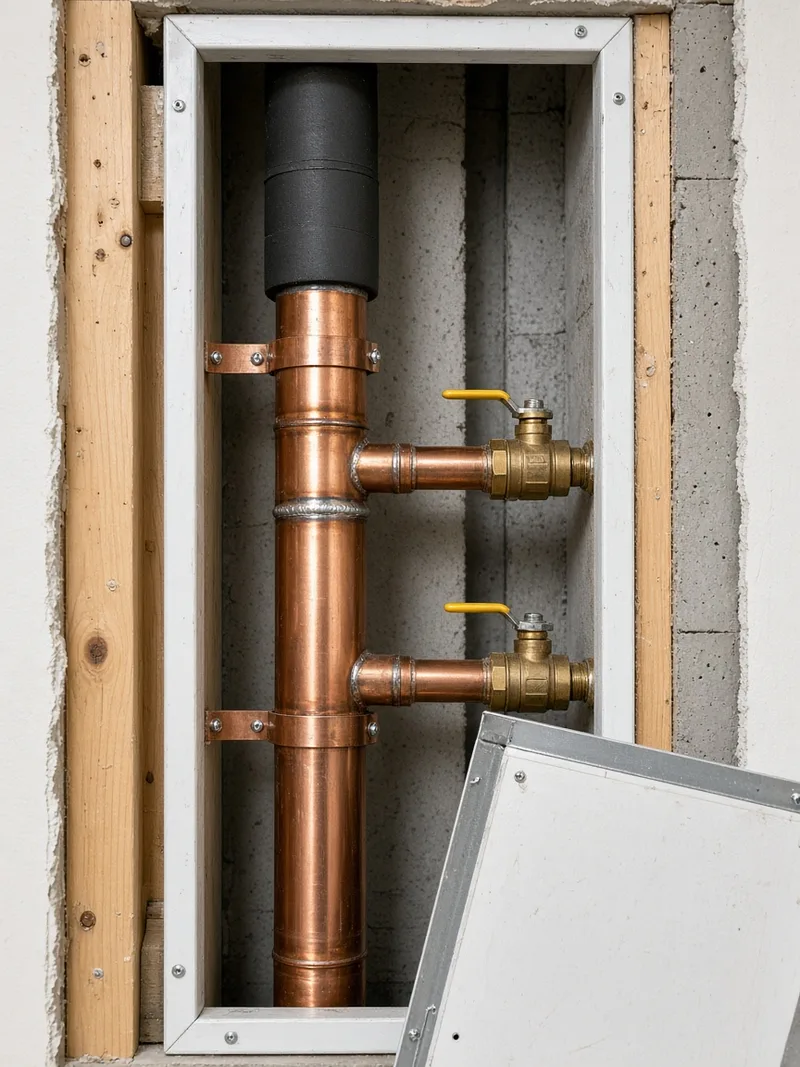
Building Re-Piping
Complete and partial re-piping, phased stack by stack with the building fully occupied.
Find out what condition your pipe is actually in
Tell us which lines are giving trouble or what your reserve fund study needs to answer. We will survey the system, locate what is there and put a graded report in front of your board.