
Plumbing Repairs & 24/7 Service in Toronto Condos
Blocked drains, active leaks, running toilets and the in-suite work that cannot wait for the next board meeting. Answered at any hour, booked into a window, and carried out by plumbers who work in condominium buildings every day.
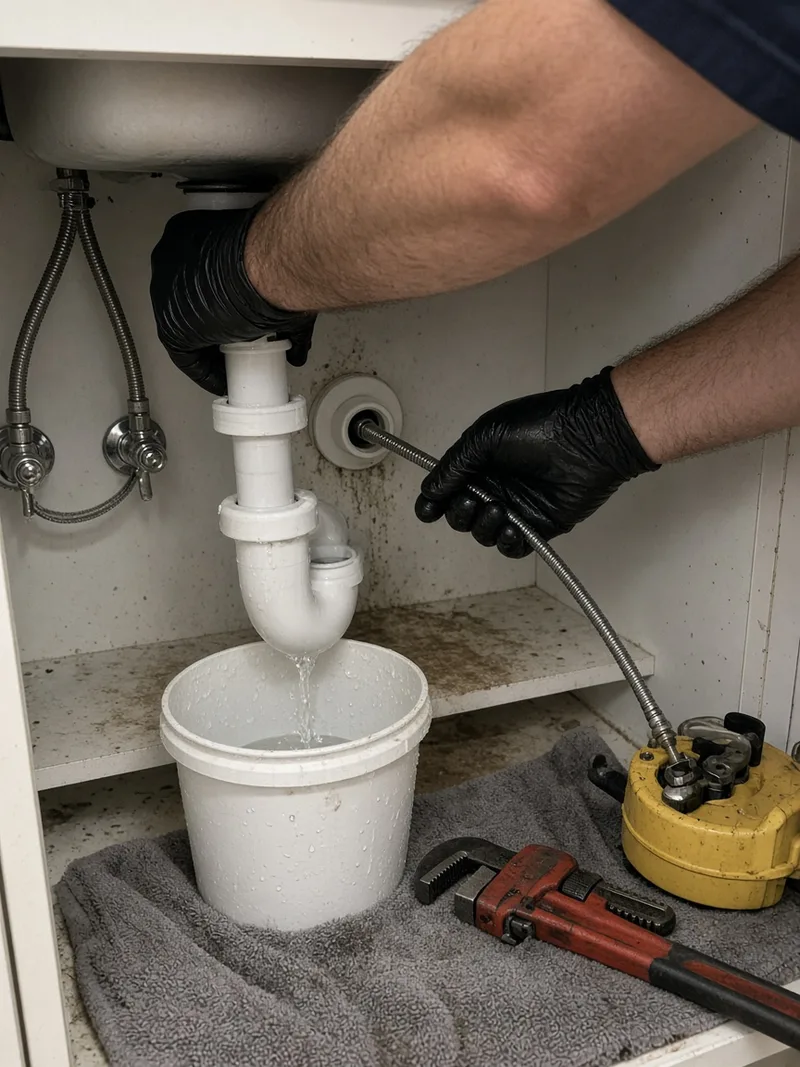
Drain Cleaning & Snaking
Blocked toilets, tubs, sinks and floor drains, in suites and in common areas. We clear the line, find out why it blocked, and let you know if it is going to keep happening.
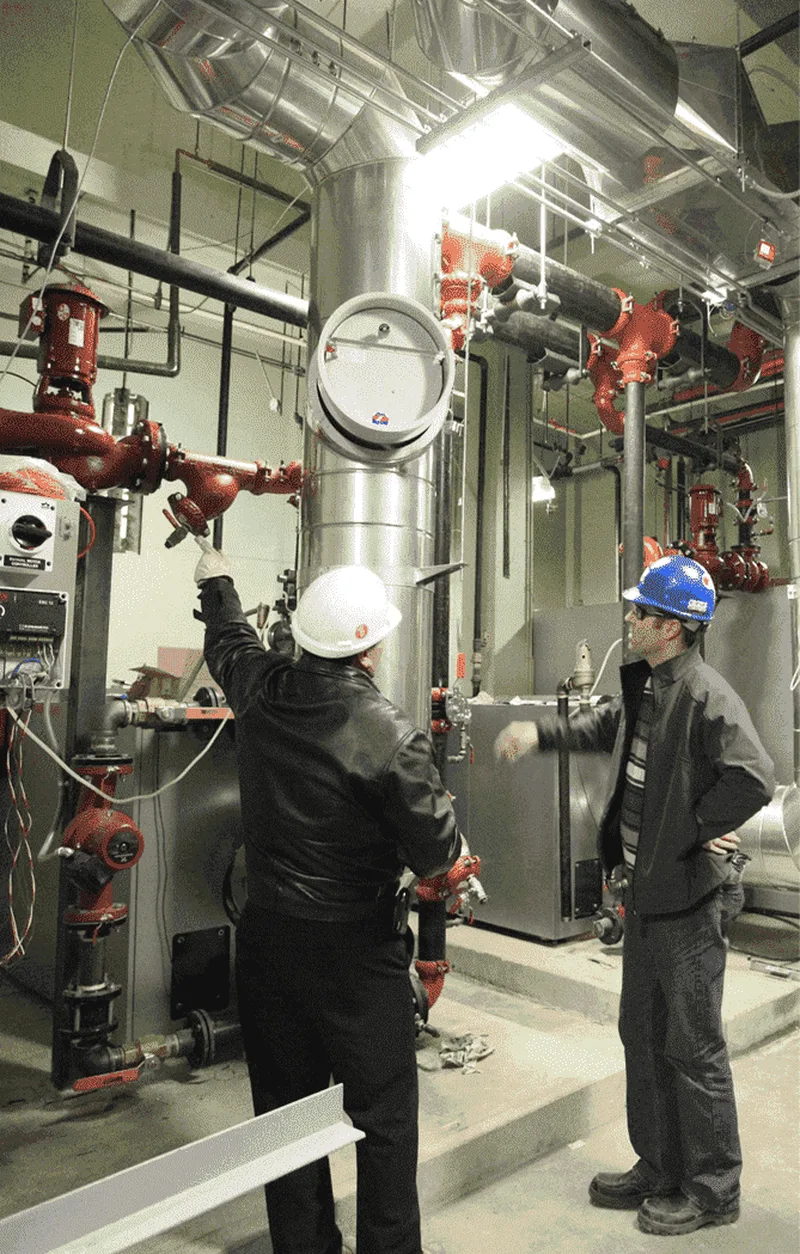
24/7 Emergency Leak Response
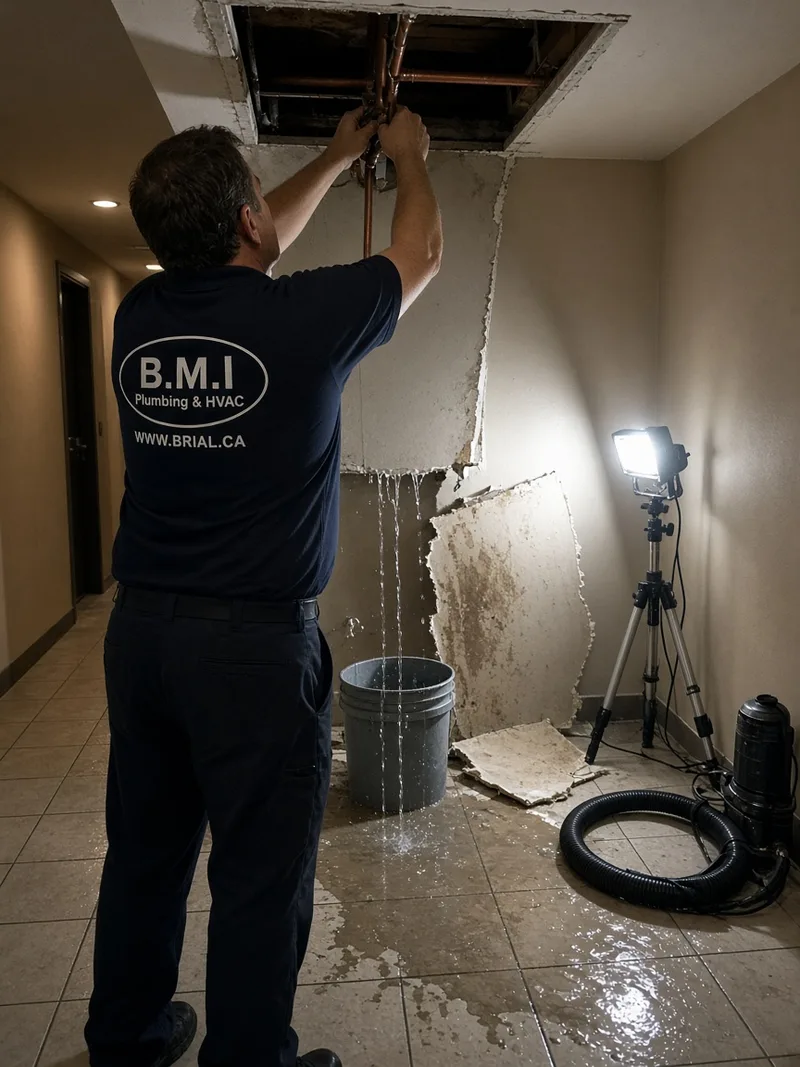
Leaks do not wait for business hours. Call any hour and you reach someone who can dispatch. We isolate the failure first to stop the damage spreading, then make the permanent repair.
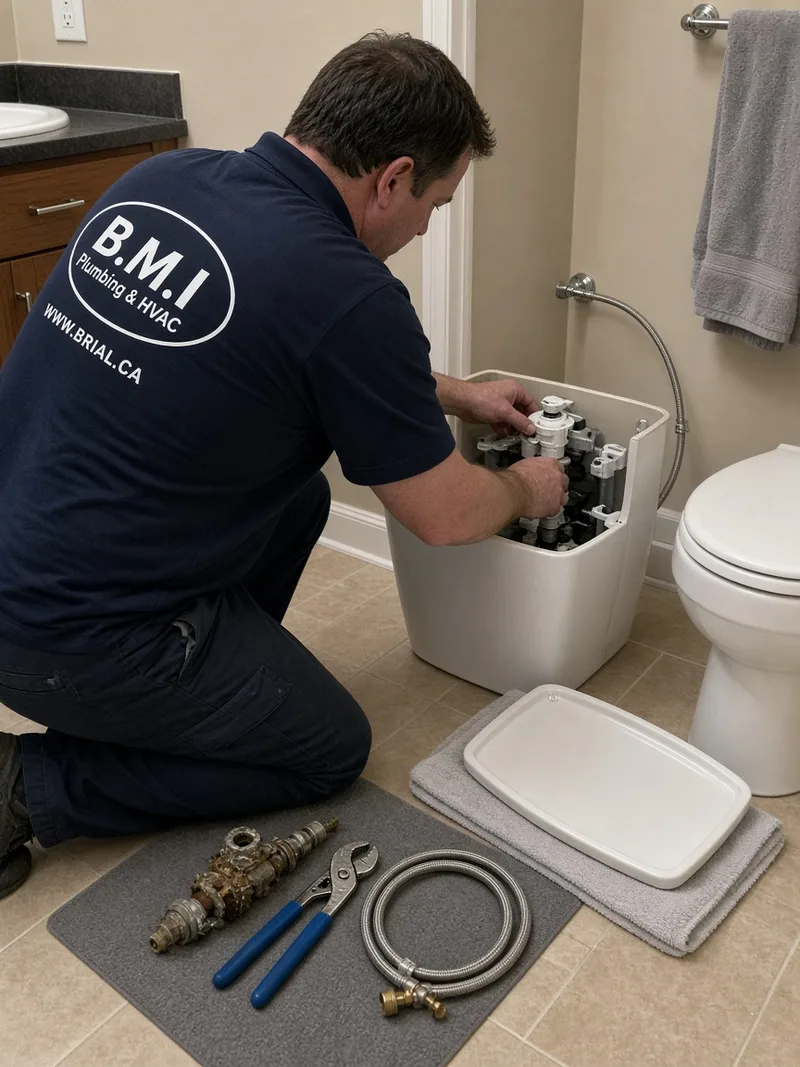
Toilet & Faucet Repairs
Running toilets, dripping faucets, seized shut-offs and failing supply lines. Small jobs, booked properly and done right the first time.
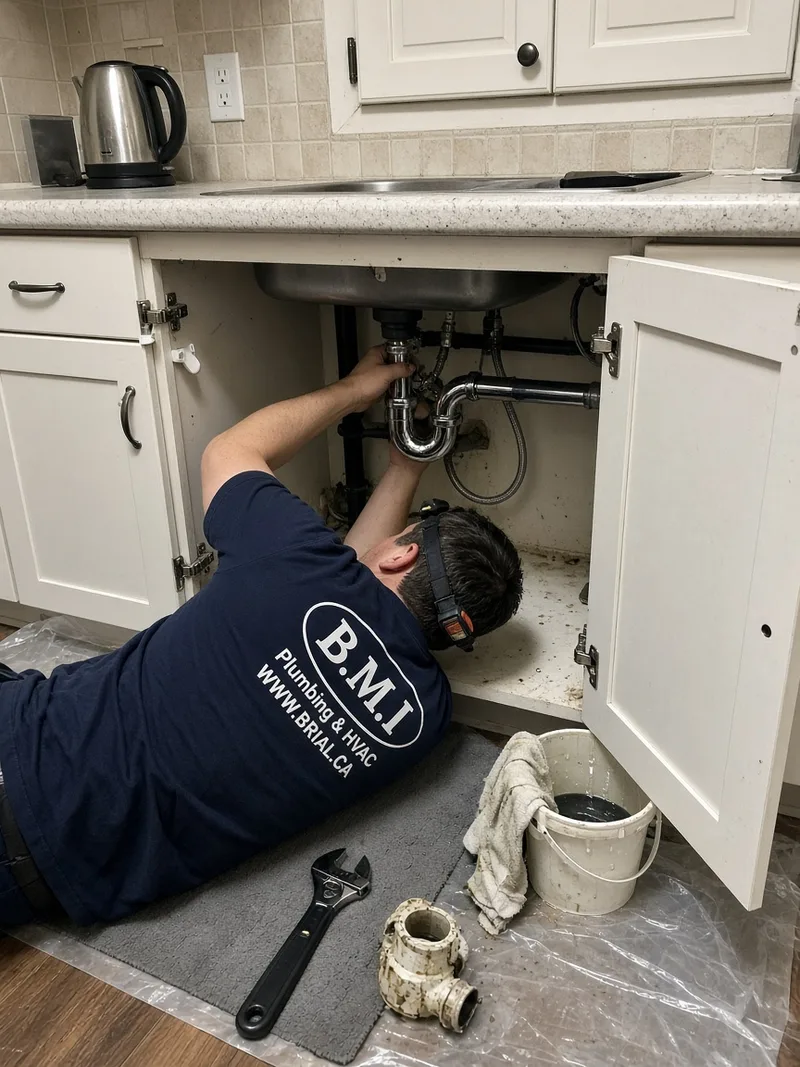
In-Suite Plumbing Repairs
Taps, toilets, shut-offs, supply lines and drains inside the unit. Booked windows, floor protection in every suite, and a clean unit at the end of the day.
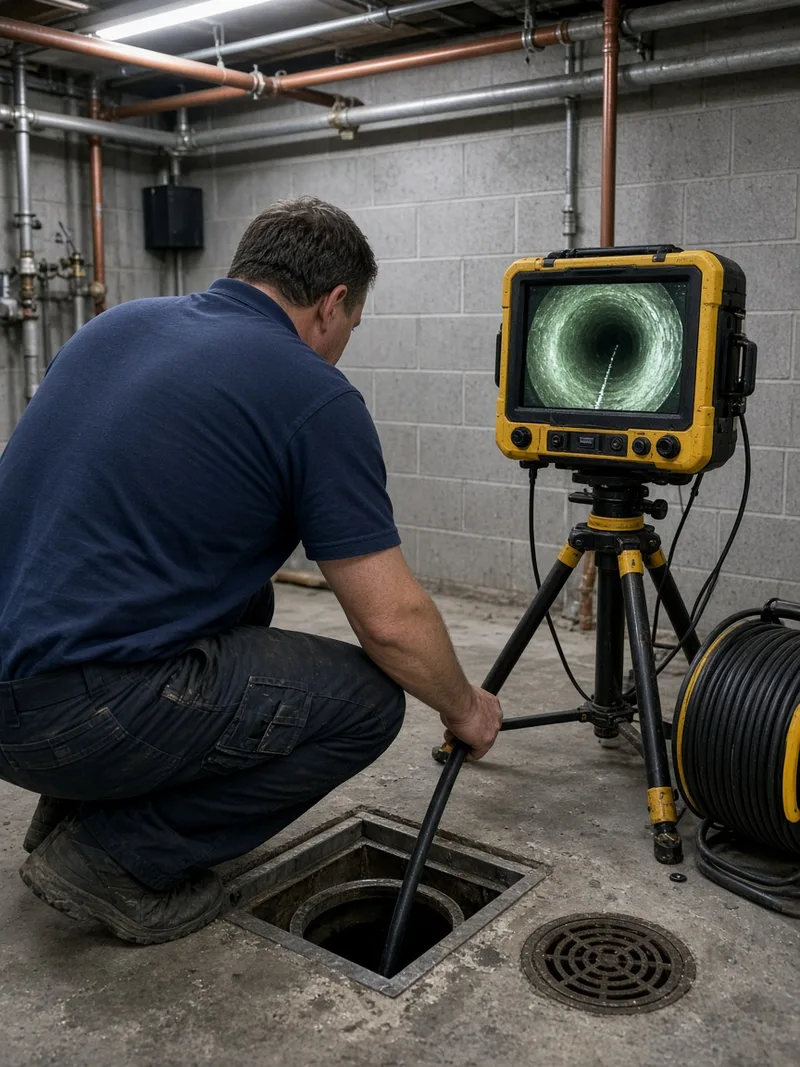
Camera Pipe Inspection
We camera the system and hand your board a documented condition report, so capital planning is based on what the pipe actually looks like inside rather than on how old it is.
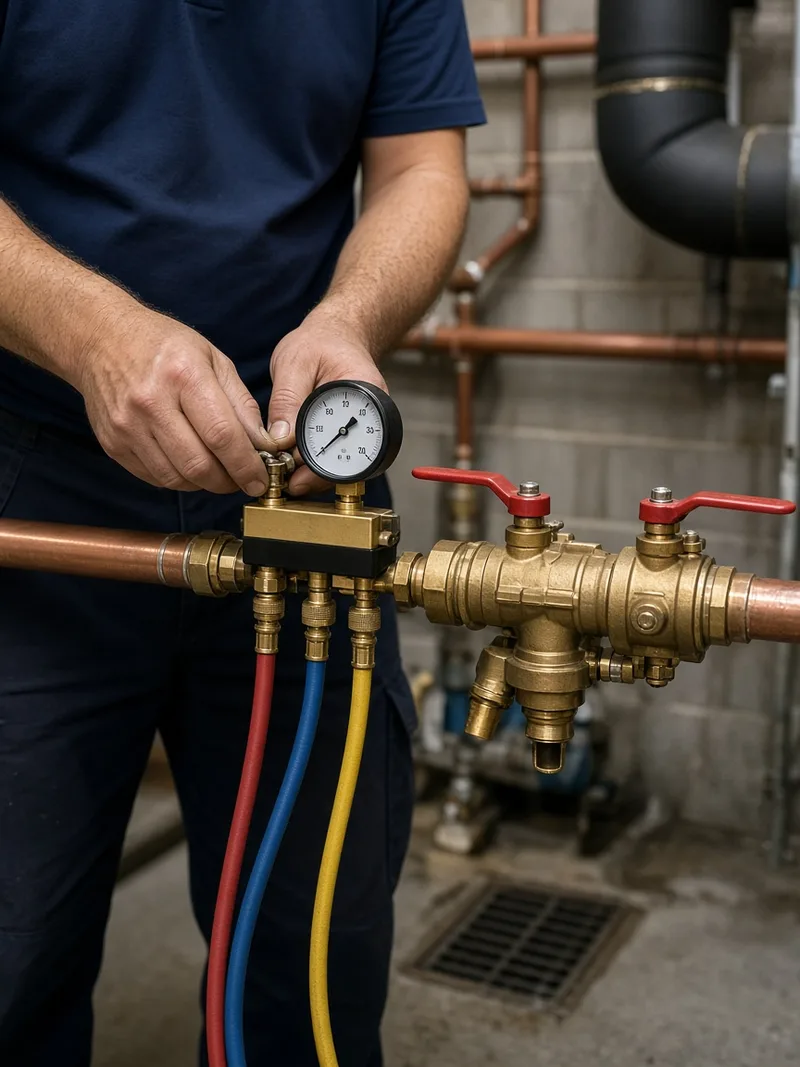
Backflow Prevention Testing
The City requires annual testing on backflow devices. We test, repair what fails, and file the certification so your building stays compliant without anybody chasing it.
Stop the damage, then find the cause
In a stacked residential building the order of operations matters more than the repair itself. Water travels laterally along slabs and down shafts, so the suite reporting a stain is often several units away from the failure. Chasing the cause before isolating the flow means the restoration claim grows while the diagnosis proceeds.
So the first move is always isolation at the nearest valve that holds, which is exactly why a current valve chart is worth having before it is needed. With the flow stopped, the source is worked back through the suites above, through sectional isolation of riser and branch, and with camera inspection inside drainage lines where nothing is accessible. Only then is the permanent repair made.
Booked windows, protected suites
Non-urgent work is scheduled into a window the resident chooses rather than an open-ended day. Floor protection runs from the suite door to the work area on every attendance, and the area is left clean. For the corporation, each attendance produces a record of what failed and where, which is what a responsibility determination actually turns on.
- Answered by a person 24 hours a day, every day of the year
- Isolation first, so the damage stops before the diagnosis starts
- Camera inspection where the cause is not accessible
- Booked windows for non-urgent work, chosen by the resident
- Floor protection from the suite door through to the work area
- Written record of what failed and where, for management
Who books the work
In a condominium the answer depends on what failed rather than where the damage appeared. The corporation's declaration governs, but this is the general division.
| What has failed | Normally | Who books it |
|---|---|---|
| Toilet, faucet, shower valve, sink | Owner | Resident, directly |
| Angle stops and supply lines inside the suite | Owner | Resident, directly |
| Branch drain serving only that suite | Owner | Resident, directly |
| Shut-off valves feeding the suite | Corporation | Property management |
| Riser, main stack, common element piping | Corporation | Property management |
| Active leak affecting more than one suite | Determined afterwards | Call us first, sort it out after |
The last row is the one that matters at two in the morning. When water is moving between suites, nobody should be waiting on a responsibility determination before the flow is stopped. Call, we isolate, and the paperwork follows.
Plumbers who work in these buildings every day
A service call in a forty-storey tower is not the same job as a service call in a house. The shut-off that matters may be three floors up in a locked shaft, access to the suite above depends on a concierge and a notice period, and the difference between an owner's repair and a corporation's is a question somebody will ask afterwards. Our crews work in roughly 200 Toronto and GTA buildings, so none of that is new ground.
We also hold the maintenance and capital contracts in many of the same buildings, which means the crew attending a leak frequently already knows the plant, has the valve chart, and can tell management whether what just failed is an isolated fault or the third one on that stack this year.
Repair and service questions
Yes. The line at (416) 845-3756 is answered by a person 24 hours a day, every day of the year, including statutory holidays. Emergency calls are dispatched while you are still on the phone.
Call the concierge or superintendent so the riser serving the suites above can be isolated, then call us. Do not wait for the management office to open. Put containers down, move what you can clear of the water, and switch off the breaker for any light or outlet the water is near.
Both are possible, and which one applies depends on what has failed rather than who calls. Work on equipment inside the suite that belongs to the owner — fixtures, faucets, toilets, angle stops, in-suite branch lines — can be booked by the resident. Anything on common element piping, including the riser, the valves feeding the suite and the main stack, is the corporation's responsibility and comes through management or the board.
Water tracks along the path of least resistance, so the suite with the stain is frequently not the suite with the failure. Diagnosis works upward and outward from the damage: inspecting the suites above, isolating sections of riser and branch to see what stops the flow, and using camera inspection inside drainage lines where the source is not accessible. Isolation comes first so the damage stops spreading while the cause is being found.
Snaking punches an opening through a blockage; it does not remove what is lining the pipe. Where a line blocks repeatedly the underlying cause is usually accumulated grease or scale narrowing the bore, a failed section of pipe, or a fault such as a dropped joint or back-pitched run. Camera inspection identifies which, and hydro-jetting removes material from the pipe wall rather than boring a hole through it.
Routine in-suite service is normally booked within a few business days, in a window the resident chooses. Buildings holding a maintenance contract with us take priority on scheduling. Genuine emergencies are attended immediately at any hour.
Yes. Floor protection runs from the suite entrance through to the work area on every attendance, surfaces around the work are covered, and the area is left clean. This is standard on a service call, not something reserved for capital projects.
Whichever the fixture warrants. A quality fixture with a failed fill valve, flapper or cartridge is worth repairing. A builder-grade unit that has already had its internals replaced once, or a cartridge for which parts are no longer manufactured, costs the owner more in repeat attendances than replacement does. We will say which situation you are in before proceeding.
It depends on what failed, not where the damage appeared, and the corporation's declaration governs. Broadly, the owner is responsible for the fixtures and the piping serving the suite alone, and the corporation for common element piping including the riser and the shut-off valves feeding the suite. We document what failed and where so management has the facts the determination requires.
Yes. We test, repair and certify backflow prevention devices and file the test reports the City of Toronto requires annually, so the building's compliance does not lapse.
Attendance is quoted before a technician is dispatched, and after-hours emergency response is charged differently from a booked weekday call. You will be told what applies on the phone rather than after the work.
Need a plumber today?
Emergencies are dispatched immediately at any hour. Everything else gets booked into a window that suits the resident, usually within a few business days.