• 24/7 emergency response
  • Toronto & the GTA
Project solution

Valve Replacements for Toronto Condominiums

Closing a valve is how every other repair starts. We replace the seized and leaking ones, one at a time or building-wide, and update your chart so the drawings still match the building.

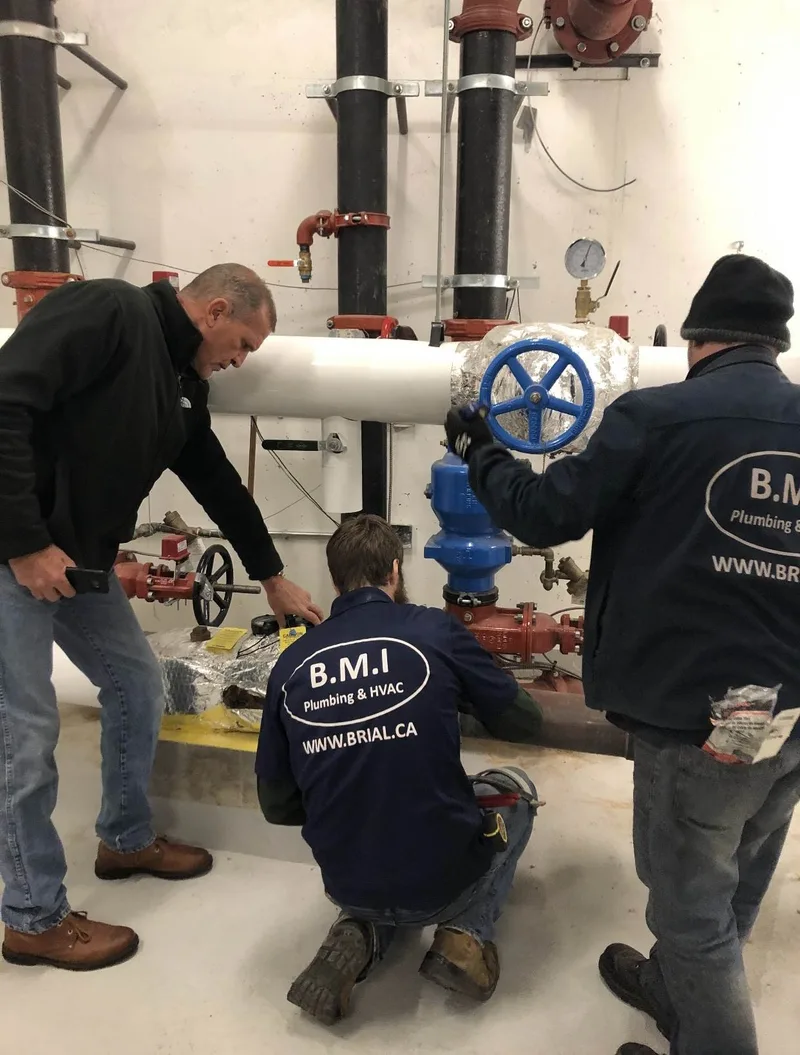
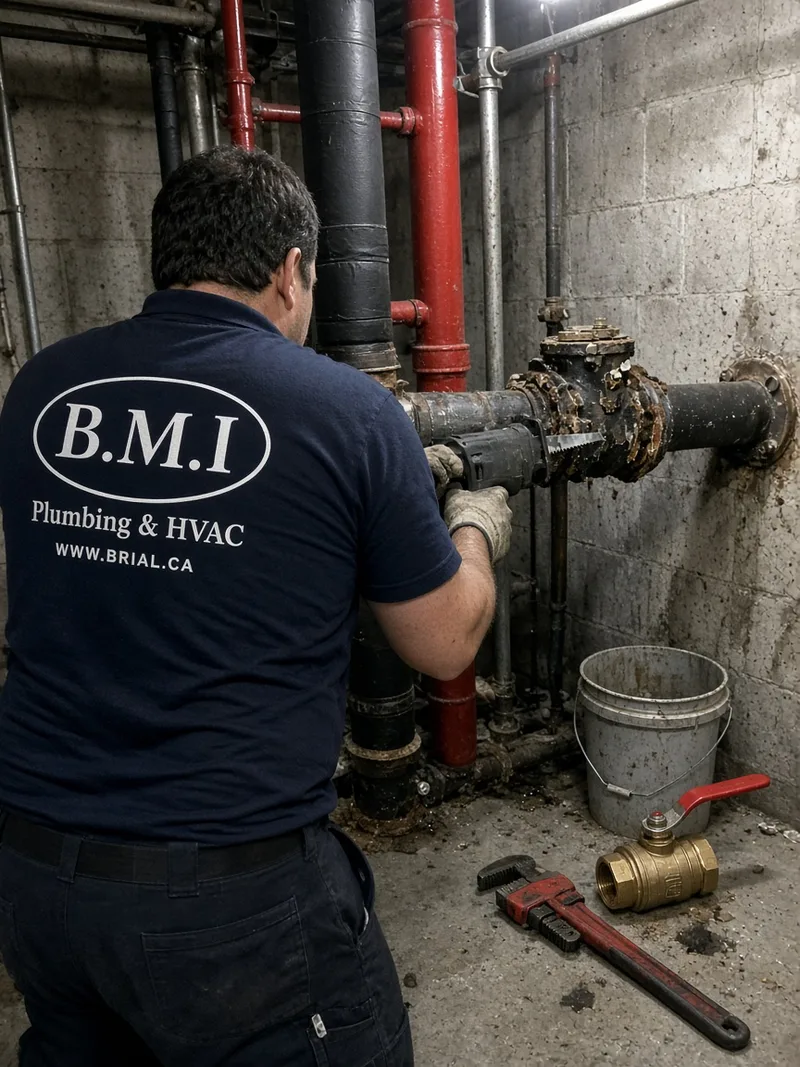
BMI plumber cutting a seized gate valve out of a riser main in a Toronto condominium mechanical room
Scope
One valve or building-wide
Usual trigger
Seized, weeping or passing
Shutdown
Smallest one that works
Afterwards
Tagged and charted
Why it matters

A valve that will not close enlarges every repair behind it

Consider a supply failure in suite 1804. The plumber reaches for the branch valve; it is seized, so the stack valve is next. If the stack valve passes water, the zone comes off. If the zone valve is no better, the building main is closed, and five hundred homes are without water while a single joint is repaired.

That cascade is the standard condition in a building whose valves have never been operated. Each step up the chain multiplies the residents affected, the notices issued, the time on site and the volume of water that has to come out of the system and be put back in. The valve itself is the least expensive component in the sequence by a wide margin.

Replace the valve, then correct the record

A new valve nobody has tagged is half the work. Buildings lose the map of their own plumbing one undocumented change at a time, until the labels in the mechanical room describe a system that has not existed for twenty years. Every valve we replace receives a tag and a line on the chart the day it is installed.

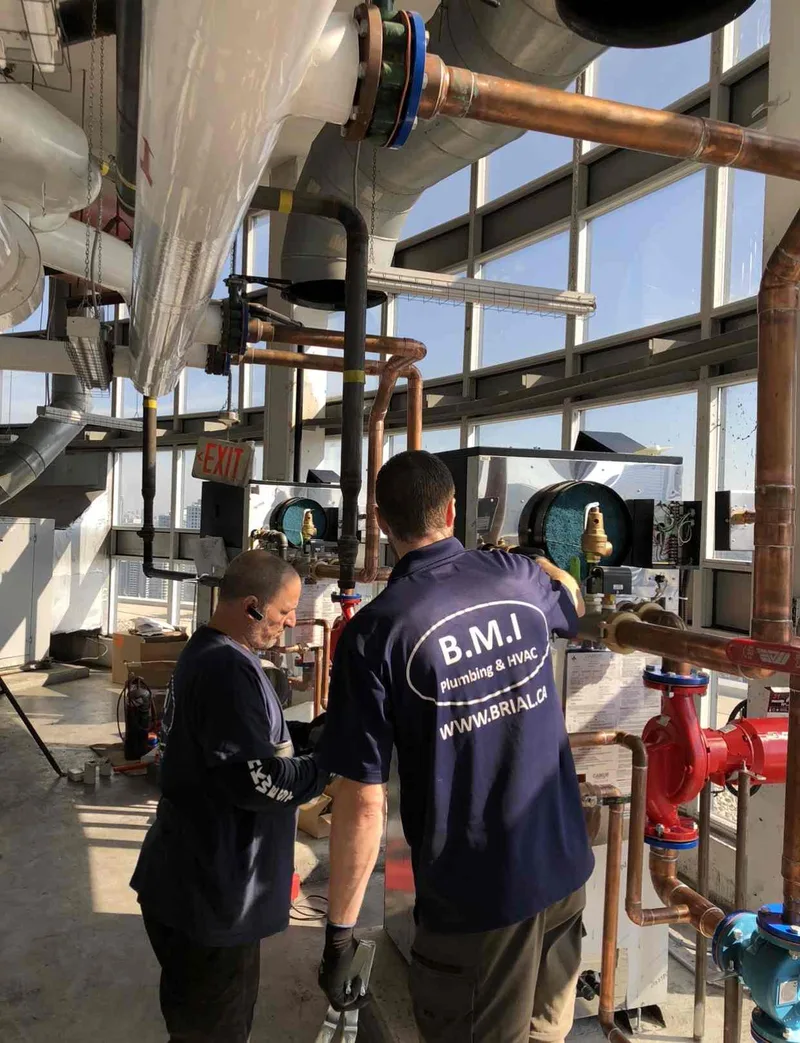
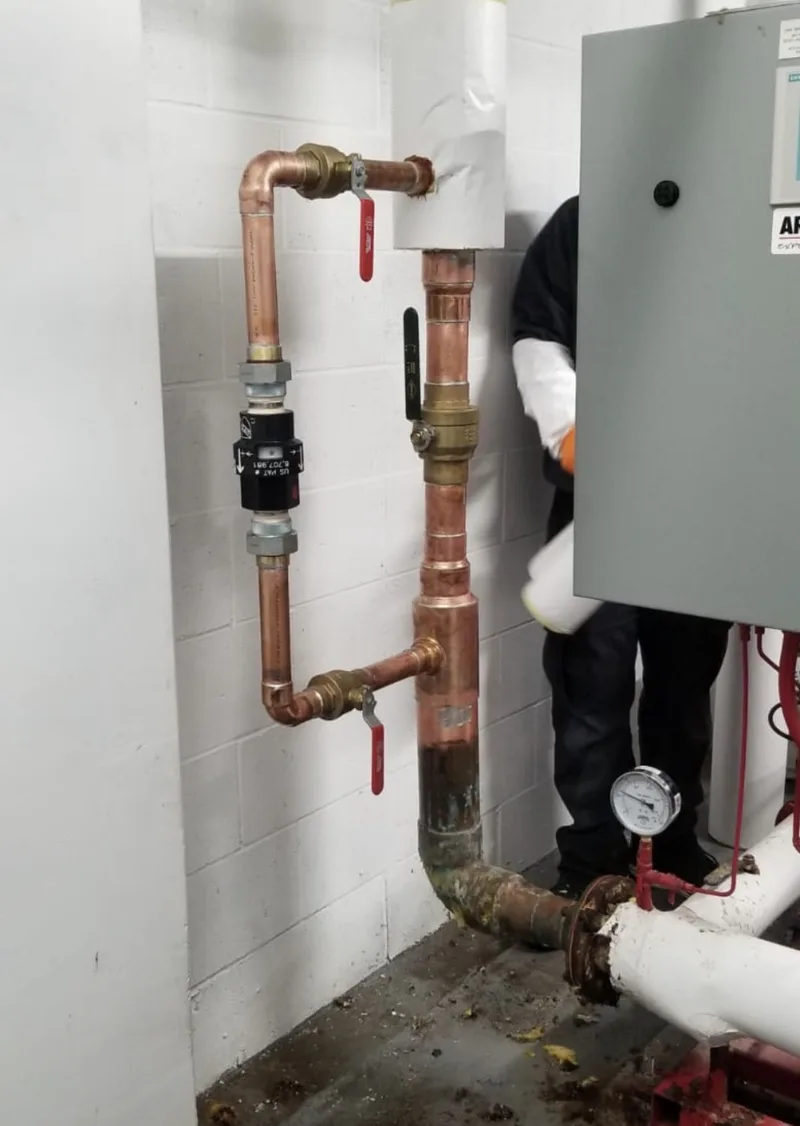
New copper piping, isolation valves and backflow preventer installed by BMI in a Toronto condominium mechanical room
New valves on a rebuilt station: full-port ball valves either side of every component, so the next service is an hour's work rather than a shutdown.
When it is time

Signs a valve needs replacing

Most of these get discovered during an emergency. All of them can be found on a scheduled afternoon instead.

It will not turn

A handwheel that needs a cheater bar is already a failed valve. Forcing it is how stems shear and bodies crack on a live system.

It is closed and water still runs

The classic gate valve failure. The handwheel says shut, the gate is sitting in the bottom of the body, and the line is still live.

Weeping at the stem

Dried packing and green staining down the body. Sometimes a repack; more often the visible end of a valve at the end of its life.

Shutdowns bigger than they should be

If a one-suite repair needs a building notice, the problem is not the repair. It is the isolation available to do it.

Missing handles, sheared stems

Valves with no handwheel, or a stem that turns freely without moving the gate, provide no isolation at all.

Flagged in an exercise report

The preferred case. A valve identified as failed during an annual exercise is replaced on a planned day, on a planned shutdown.

How isolation works

Which valve isolates what, and why the type matters

The levels of isolation in a condominium, and the difference between a gate valve and a ball valve On the left, four levels of isolation shown as small tower plans with the affected area shaded: the building main takes water from every suite, a zone valve takes a band of floors, a riser valve takes one stack of suites, and a branch or suite valve takes a single unit. On the right, two valve types. A gate valve closes by lowering a brass wedge across the bore, and when that wedge wears or drops off the stem the handwheel reads closed while water keeps running. A ball valve closes with a quarter turn of a machined ball, so it either seals or it does not, and the handle position shows which. Which valve isolates what Building main Every suite in the building Zone valve A band of floors Riser valve One stack of suites Branch or suite valve One unit Why we fit ball valves Gate valve The brass gate wears, or drops off the stem. It reads closed, and is not. Ball valve A quarter turn on a machined ball. It seals, and the handle tells you so.
Good isolation is what keeps a repair small. Every level the isolation has to climb because a valve will not hold multiplies the residents affected, the notices issued and the time the system spends drained. That is the argument for replacing valves on a planned shutdown rather than discovering them during a failure.
Our method

How we replace a valve

Installing the valve is the shortest stage. The isolation strategy around it is what keeps the building in service while the work proceeds.

  1. Confirm what the valve actually isolates

    Before anything is cut, we prove what closes when this valve closes. Labels in a mechanical room are frequently wrong, and the point of the exercise is to shut the smallest possible part of the building.

  2. Choose the right valve for the duty

    Size, pressure, temperature and how often somebody will need to operate it all matter. A valve that cannot be reached or operated will be seized again within five years, regardless of its rating.

  3. Plan the smallest shutdown that works

    We look for an upstream isolation point that lets us change the valve without draining half the building. Where there is no usable point, a freeze kit will often let us work on a live line instead of shutting the main.

  4. Notice and schedule

    Management approves the window, affected suites get written notice, and the work is booked at the time of day that inconveniences the fewest residents rather than the time that suits us.

  5. Cut out and replace

    The old valve comes out and the new one goes in, with unions or flanges where they will make the next replacement quicker. On older pipe we cut back to sound material rather than trying to thread into something thin.

  6. Refill, purge and prove it

    The line is refilled, air purged, and the new valve operated through its full travel and closed against pressure. A valve that has not been proven closed has not been commissioned.

  7. Tag it and update the chart

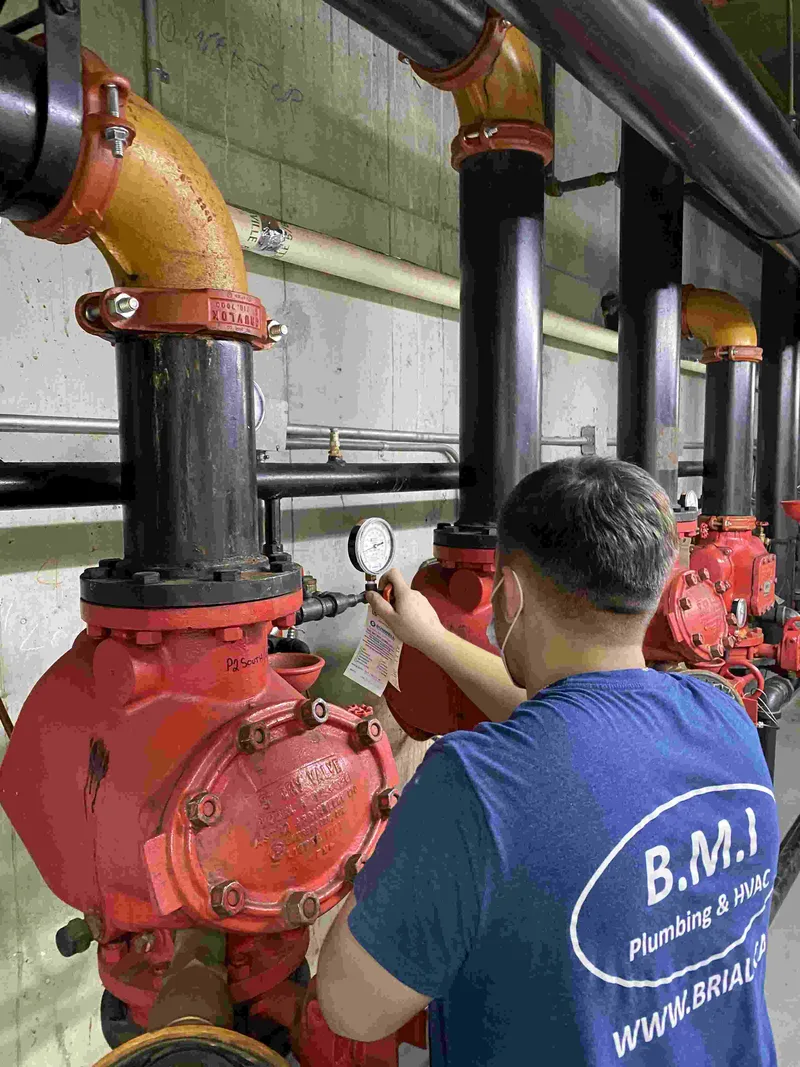
    Every replaced valve gets a permanent tag and the drawing gets updated the same day. Otherwise the building slowly loses the map again, which is how it ended up with valves nobody could identify in the first place.

Completed projects

Buildings where we have replaced valves

Valve replacement is often part of a bigger programme. These are buildings where we installed new isolation valves, at every branch, as part of the riser work.

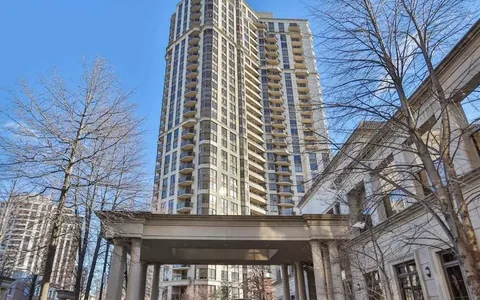
80 Harrison Garden Blvd, Toronto - condominium tower where BMI replaced the building's heating and cooling risers Heating & Cooling Riser Replacement

80 Harrison Garden Blvd

Toronto, Ontario

Replacement of the heating and cooling risers for the entire building, including supply and installation of all new copper pipe, expansion joints, anchors and fire stopping.
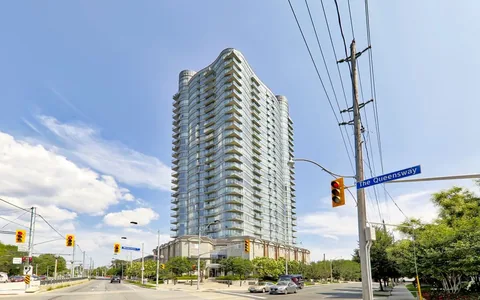

15 Windermere Ave, Toronto - condominium tower where BMI replaced the heating and cooling risers Heating & Cooling Riser Replacement

15 Windermere Ave

Toronto, Ontario

Full-building heating and cooling riser replacement with all new copper pipe, expansion joints, anchors and fire stopping, completed in an occupied tower.

131 Beecroft Rd, North York - condominium where BMI completed low and high zone riser replacement Complete Riser Replacement

131 Beecroft Rd

North York, Ontario

Complete low-zone and high-zone riser replacement with new isolation valves and access panels at every unit. All drywall repair completed by BMI's own finishing team.

12 Yonge St, Toronto - Pinnacle Centre tower where BMI completed a valve audit and building-wide valve replacement Valve Audit & Building-Wide Valve Replacement

12 Yonge St

Toronto, Ontario · Tagged and charted

Every valve in the building located, tagged and charted, then the failed and seized units replaced building-wide and the schedule reissued to match the building as it now stands.

16 Yonge St, Toronto - Pinnacle Centre tower where BMI completed a valve audit and building-wide valve replacement Valve Audit & Building-Wide Valve Replacement

16 Yonge St

Toronto, Ontario · Tagged and charted

Companion tower to 12 Yonge: a full valve audit followed by building-wide replacement of the seized and passing valves, each new unit tagged and added to the chart as it went in.

Deliverables

Isolation that can be relied on

The test of this work is not the condition of the valve on the day it is installed. It is what happens the next time a line fails after hours and one part of the building has to be taken off quickly.

  • Full-port ball valves wherever size and duty allow
  • Unions or flanges fitted so the next replacement is faster than this one
  • Every new valve operated through full travel and proven closed under pressure
  • Permanent tags, and the valve chart updated the same day
  • Access panels where a valve sits behind finished wall or ceiling
  • A written record of anything else found while the system was drained
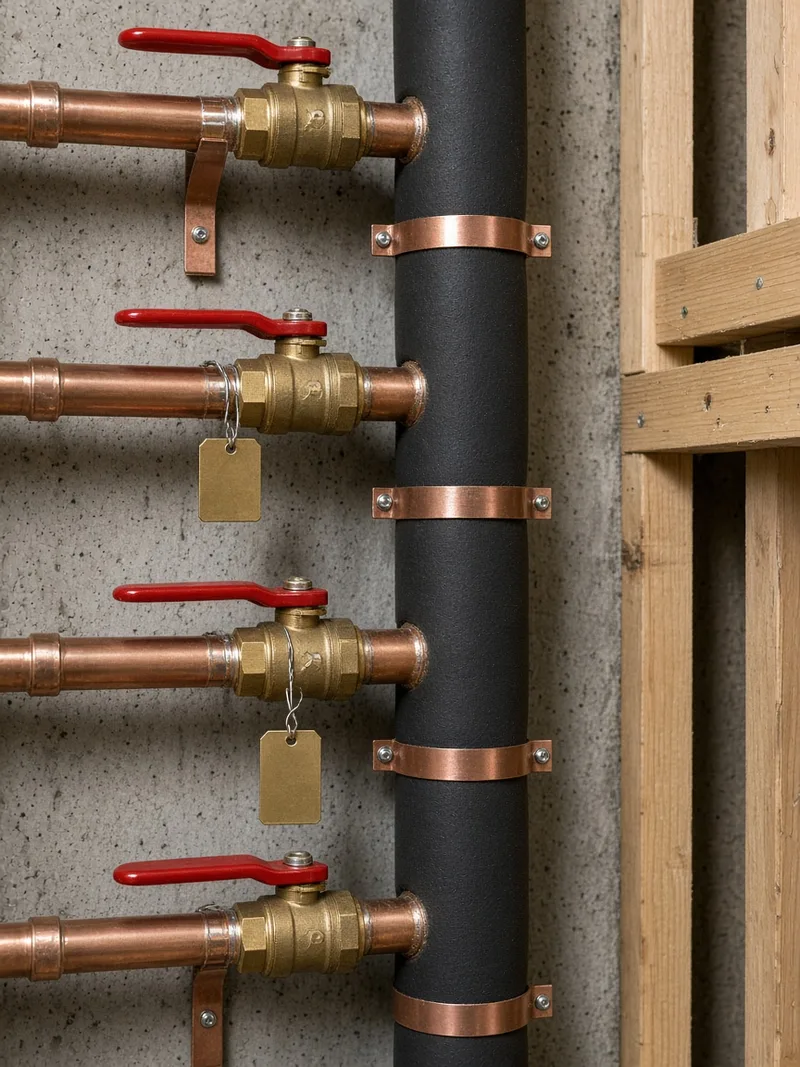
New copper branch legs in a condominium riser shaft, each fitted by BMI with a red-handled ball valve and an identification tag
Branch isolation on a live riser: ball valves on every leg, so one suite can be taken off supply without touching the stack above it.
Specifications

Valve replacement at a glance

Scope and logistics for isolation valve replacement in an occupied Toronto condominium.
ServiceIsolation, riser, zone and main valve replacement
SystemsDomestic water, heating, cooling and make-up water
ScaleOne valve reactively, or building-wide as a programme
Preferred typeFull-port ball valves where size and duty allow
Live workFreeze kits used to avoid draining where practical
ShutdownSmallest isolation that does the job, planned in advance
CommissioningOperated through full travel and proven closed under pressure
RecordsNew tag fitted and valve chart updated the same day
Found byAnnual valve exercise reporting, or reactively during a repair
FundingOperating for single repairs, reserve fund for programmes
Service areaToronto, North York, Etobicoke, Scarborough, Mississauga and the wider GTA
Emergency response24/7, (416) 845-3756
Why BMI

We replace valves on live buildings

Most valve replacement in an occupied tower has to be done without an extended shutdown, which means line freezing, staged isolation and overnight work that a general plumbing contractor is not set up to deliver. BMI carries that capability in-house, tags and charts every valve as it is installed, and is the company that has to live with the result on the next after-hours call.

20 Years in business Condominium plumbing across Toronto and the GTA
24/7 Emergency response Every day of the year, including holidays
200+ Active buildings serviced Maintenance contracts and capital work under way right now
GTA Service area Toronto, North York, Etobicoke, Scarborough, Mississauga and beyond
Questions

Valve replacement questions

Valve replacement is the renewal of the isolation valves that let part of a building's plumbing be shut off without shutting the rest down. In a condominium that means suite and branch shut-offs, riser valves, zone valves and the building mains. They are replaced when they have seized, when they weep at the stem, or when they pass water while closed. Because closing a valve is the first move in every other repair, a building's valves quietly set the cost and the disruption of everything else that happens to its plumbing.

Yes, and it is a short job. A fixture shut-off that has not moved in years corrodes around the stem, and replacing it with a quarter-turn ball type means the next time you need it, it works. Do not force the old one first: a sheared stem or a cracked body on a live line turns a fifteen-minute planned repair into an emergency with water on your floor. Report it and have it changed on a normal weekday.

If water is already coming out and there is no other isolation available, you do what you have to. Otherwise, no. The failure mode is not that it stays stuck, it is that the stem shears or the body splits and the line is now open with no way to close it. Call the concierge or the after-hours line so the stack can be isolated upstream by somebody with the tools to deal with what happens next. We answer 24 hours a day for exactly this.

It depends where the valve sits and what your declaration says, so the corporation has the final word. The general shape of it is that valves on the common element piping, including riser and branch isolation, are a corporation cost, and the shut-offs serving your own fixtures are usually the owner's. When we do work that straddles the line we invoice the two parts separately so management is not left splitting one bill.

Often, yes, and in an older building it is one of the most worthwhile small upgrades an owner or a corporation can make. Whether it is practical depends on how your branch leaves the riser and whether there is access, so it needs looking at rather than quoting blind. Where the branch is reachable we can normally fit suite isolation with an access panel, which means a future repair in your unit no longer needs the whole stack taken off.

A fixture or branch valve is typically an hour or two including the isolation. A riser valve is a half day for the suites on that stack. Large mains and zone valves depend almost entirely on draining and refilling rather than on the valve itself. We look for the smallest isolation point that lets us do the job, and a freeze kit will often let us work on a live line rather than drain anything at all.

Because you cannot change a valve while water is flowing through it, and to stop the water you need a working valve upstream. In a building where the upstream valves have also seized, the next one that holds might be the zone or the main, which is how a one-suite repair turns into a building notice. That cascade is the entire argument for replacing valves on a planned day: the valve is the cheapest part of that story by a wide margin.

Because nothing ever moves them. A valve sitting in one position for fifteen years builds up mineral scale and corrosion around the stem and the seat, and the packing dries out. The first person to try it is usually a plumber at two in the morning, applying force to a component that has effectively become part of the pipe. That is also how stems shear and bodies crack: not from age on its own, but from age plus one hard pull.

Ball valves wherever the size and the application allow, which in a condominium is most places. A ball valve is a quarter turn on a machined ball, it either closes or it does not, and you can see its position from the handle. The classic condo failure is the brass gate valve: the gate wears, or drops off the stem entirely, so the handwheel turns to fully closed while water keeps running. On large mains, a butterfly or a gate may still be the right answer, and we will say which and why.

Usually, yes. The first thing we look for is an upstream isolation point that lets us change the valve while most of the building keeps running. Where there is no usable point, a freeze kit can hold a plug of ice in the line long enough to change the valve on a live system. Shutting a main is the last option, not the first, and if it is genuinely unavoidable we will tell you before you approve the work rather than on the day.

Sometimes. A valve that weeps at the stem can often be repacked, and a large valve with a rebuildable seat may be worth the parts. But a gate valve that has already failed internally is not a repair candidate: there is nothing to adjust once the gate is no longer attached to the stem. We will tell you which of the two you have, because repacking a valve that needs replacing just books the same shutdown twice.

An exercise programme finds out for you. When every valve in the building is located, tagged and then operated on a schedule, the ones that will not turn, will not seal, or weep when moved identify themselves in a report rather than during an emergency. Most of our valve replacement work arrives from our own valve audit findings, which is the least dramatic way for a board to discover it needs six new valves.

A suite or branch valve is usually an hour or two including the isolation. A riser valve is a half day. Large mains and zone valves depend almost entirely on the shutdown and the draining and refilling around them, not on the valve itself, which is why the planning conversation is worth more than the quote. Building-wide programmes are scheduled riser by riser so residents are affected once.

Yes, and we regard it as part of the job rather than an extra. Every valve we replace gets a permanent tag and the corresponding drawing gets updated. A building that replaces valves without recording them is paying for the work and keeping the original problem, which is that nobody standing in the mechanical room at night knows what any of it does.

It depends on the scale, and your auditor will have the final word. A single failed valve replaced reactively usually sits in the operating budget as a repair. A building-wide programme, or the new isolation valves installed as part of a riser replacement, is capital work funded from the reserve. Where a programme is large enough to matter, we quote it in a form the board can take to the reserve fund study.

Got a valve that will not close?

Tell us which one, or send us the findings from your last exercise report. We will confirm what it isolates, quote the replacement, and plan the smallest shutdown that does the job.

Burst pipe or active leak right now? We answer 24 hours a day, every day of the year — (416) 845-3756
Call now Book Now