• 24/7 emergency response
  • Toronto & the GTA
Service area

Condominium Plumbing in Toronto

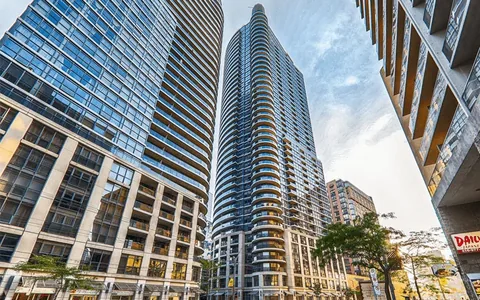
We work in Toronto's towers every day, from Yonge Street and Jarvis down to Richmond and Carlton. Riser replacement, kitchen stacks, pressure stations and the two in the morning leak, on buildings that stay occupied throughout.

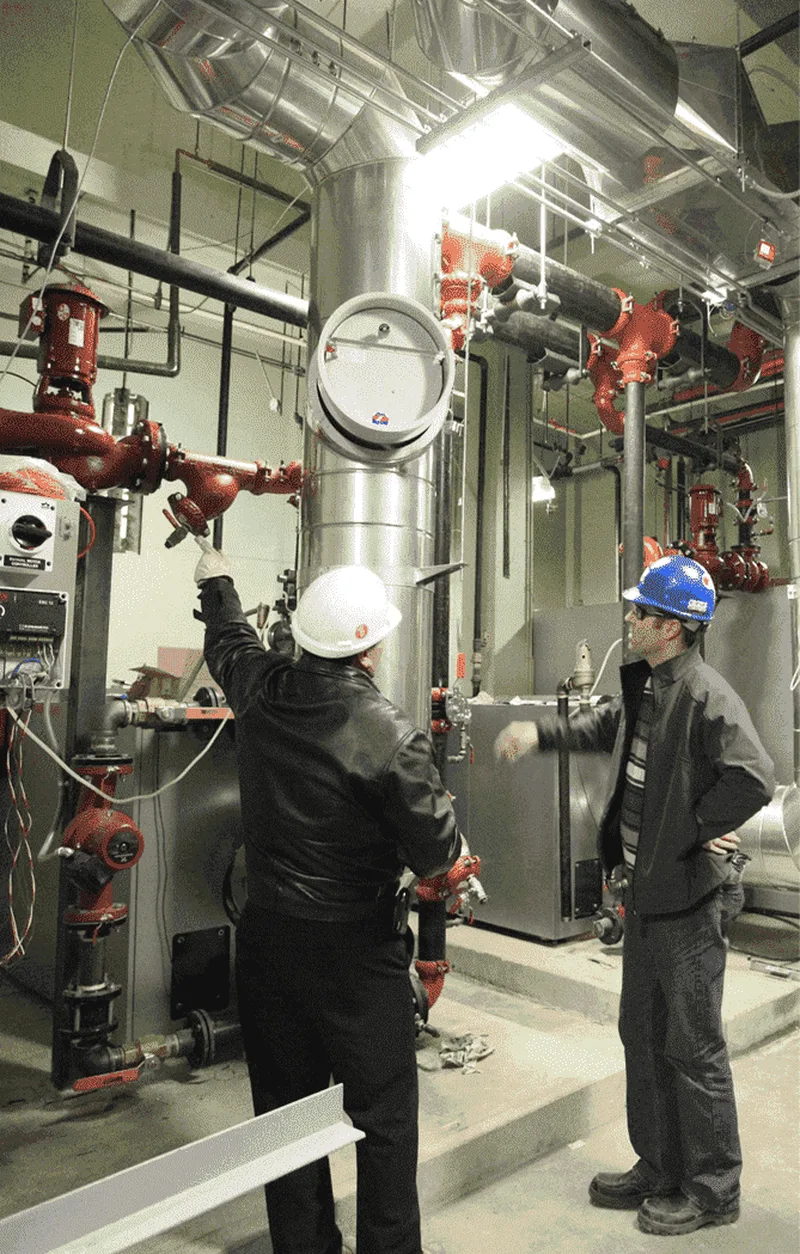
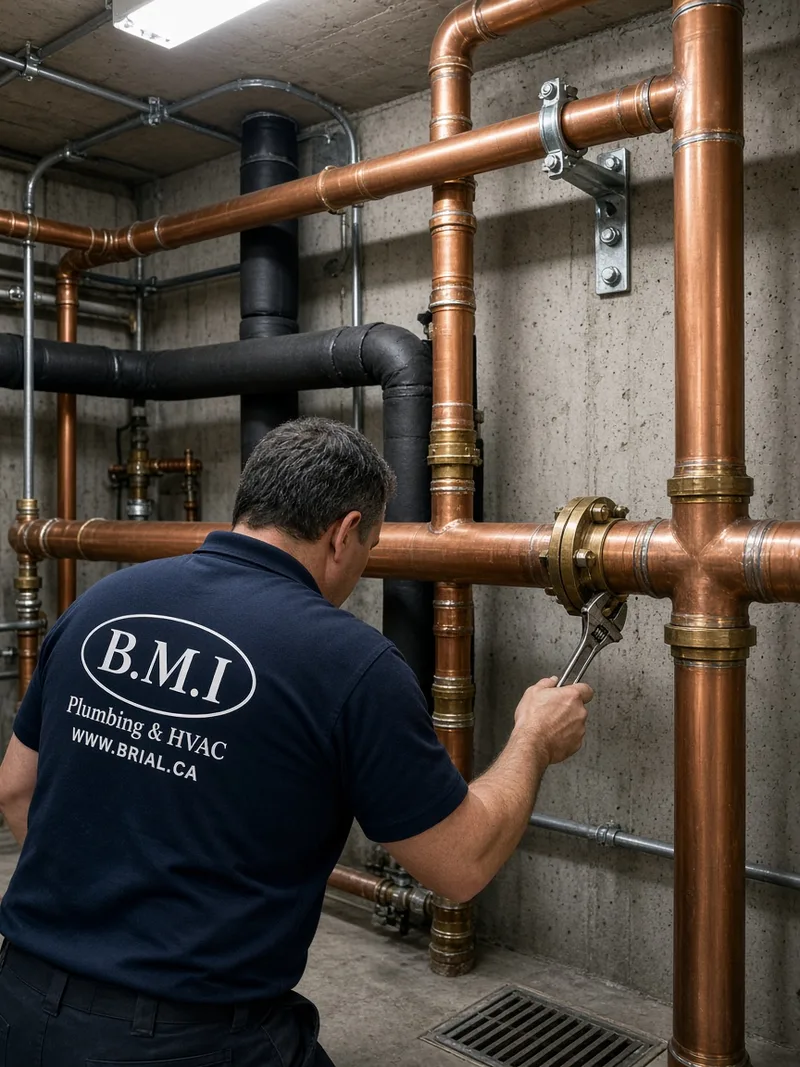
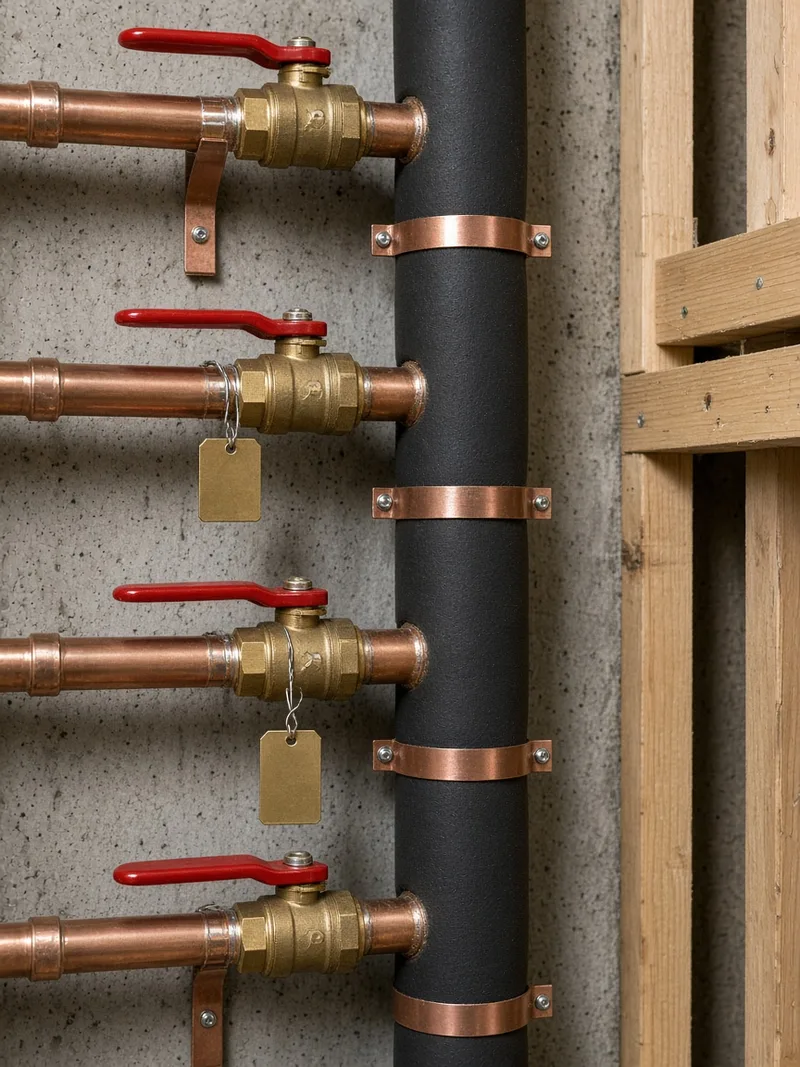
Copper and steel distribution piping in the mechanical room of a Toronto condominium, with isolation valves and insulated mains serving the building's risers
Towers completed here
Nine, named below
Water utility
Toronto Water
Most common scope
Riser and valve replacement
Emergency response
24/7, every day
The stock

Two very different generations of tower, two different problems

Toronto's condominium stock splits roughly in half, and the half a building sits in predicts most of what goes wrong in it.

The older half went up in the 1970s and 1980s: concrete towers with copper domestic risers, steel heating and cooling risers, and gate valves that have not been turned since the building was commissioned. Those buildings are now at the age where the original pipe starts to fail in a pattern rather than at random. One pinhole on a stack is a repair. Three on the same stack in a year is the stack telling you something, and that is usually the point a board starts talking to us about riser replacement and expansion compensators.

The newer half arrived from roughly 2000 onward, and its problems are different. Pipe age is not the issue yet. What comes up instead is pressure reducing valve stations that have drifted out of adjustment, in-suite piping from the Kitec era needing removal, and kitchen stacks that were never on a cleaning schedule and are now restricted with grease.

What both halves share

Valves. In almost every building we enter, the isolation valves are the weakest part of the system, because nothing in a condominium fails as quietly as a valve nobody has turned in thirty years. It holds pressure perfectly until the day somebody needs it to shut, and then a small repair on one suite becomes a building-wide shutdown. That is the entire reason we run valve audits and exercise programmes: find them, tag them, chart them, and turn them once a year so they still work the night they are needed.

New quarter-turn ball valves on branch piping inside a condominium riser shaft, installed by BMI to replace seized gate valves
New quarter-turn isolation on branch piping inside a riser shaft. The valve that works is the one that gets turned.
What we do here

The work we are called into Toronto buildings for

Capital programmes, scheduled maintenance and emergencies, on the same buildings and usually for the same property managers.

Riser replacement

Domestic water, heating and cooling risers replaced stack by stack in occupied towers. Our largest discipline, and most of the Toronto work below. Riser replacement.

Kitchen stacks

Grease-restricted kitchen waste stacks cleaned on a schedule, and replaced where the pipe is past cleaning. Kitchen stack cleaning.

Pressure stations

PRV inspection, rebuild and replacement, including the station piping either side of the valve. PRV maintenance.

Valve audits

Every valve in the building located, tagged and charted, then exercised annually under contract. Valve audit programmes.

Camera inspection

Video survey of stacks, risers and drains with a written condition report for capital planning. Camera pipe inspection.

Emergencies

Leaks, floods and burst pipes answered at any hour by someone who can dispatch a crew. 24/7 emergency response.

Completed projects

Toronto buildings we have completed

Every one of these is a Toronto address where we have done the work. Risers, valves, stacks and boilers, in towers that stayed occupied from the first day to the last.

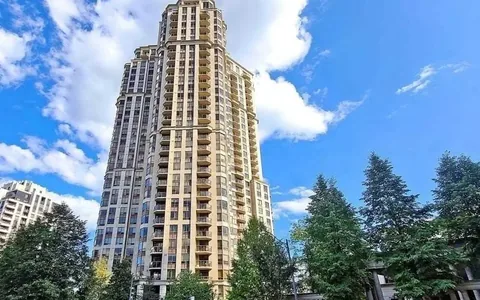
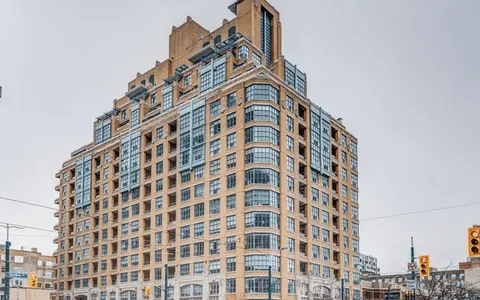
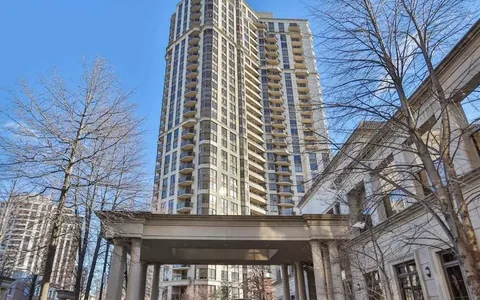
80 Harrison Garden Blvd, Toronto - condominium tower where BMI replaced the building's heating and cooling risers Heating & Cooling Riser Replacement

80 Harrison Garden Blvd

Toronto, Ontario

Replacement of the heating and cooling risers for the entire building, including supply and installation of all new copper pipe, expansion joints, anchors and fire stopping.
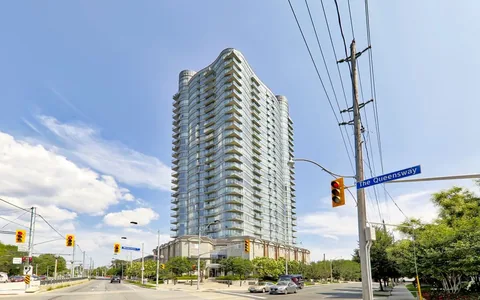
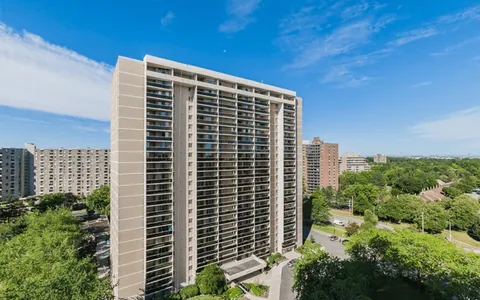
15 Windermere Ave, Toronto - condominium tower where BMI replaced the heating and cooling risers Heating & Cooling Riser Replacement

15 Windermere Ave

Toronto, Ontario

Full-building heating and cooling riser replacement with all new copper pipe, expansion joints, anchors and fire stopping, completed in an occupied tower.

812 Burnhamthorpe Rd, Toronto - condominium where BMI performed building-wide riser replacement Riser & Fan Coil Replacement

812 Burnhamthorpe Rd

Toronto, Ontario

Building-wide riser replacement with asbestos abatement and air-quality monitoring, carried out suite by suite with full floor protection in every unit.

78 Harrison Garden Blvd, Toronto - condominium where BMI replaced building expansion compensators Expansion Compensator Replacement

78 Harrison Garden Blvd

Toronto, Ontario

Removal and disposal of the existing expansion compensators throughout the building, with supply and installation of new units.

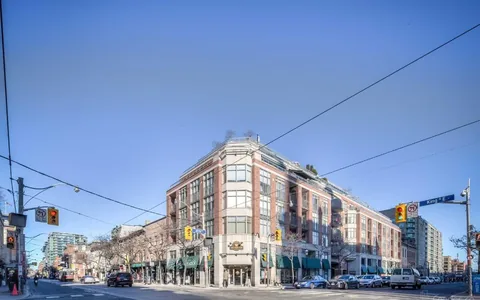
39 Jarvis St, Toronto - condominium at King and Jarvis where BMI completed a riser replacement ahead of schedule Riser Replacement

39 Jarvis St

Toronto, Ontario

Riser replacement including asbestos abatement and air-quality testing, completed two months ahead of the eight-month schedule.

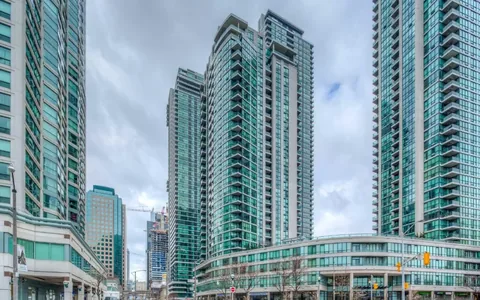
12 Yonge St, Toronto - Pinnacle Centre tower where BMI completed a valve audit and building-wide valve replacement Valve Audit & Building-Wide Valve Replacement

12 Yonge St

Toronto, Ontario · Tagged and charted

Every valve in the building located, tagged and charted, then the failed and seized units replaced building-wide and the schedule reissued to match the building as it now stands.

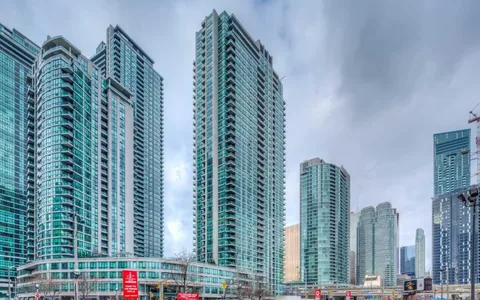
16 Yonge St, Toronto - Pinnacle Centre tower where BMI completed a valve audit and building-wide valve replacement Valve Audit & Building-Wide Valve Replacement

16 Yonge St

Toronto, Ontario · Tagged and charted

Companion tower to 12 Yonge: a full valve audit followed by building-wide replacement of the seized and passing valves, each new unit tagged and added to the chart as it went in.

438 Richmond St W, Toronto - condominium where BMI replaced the domestic hot water and heating boilers Domestic Hot Water & Boiler Replacement

438 Richmond St W

Toronto, Ontario

Entire building domestic hot water and heating boiler replacement with high-efficiency models, the full mechanical loop re-piped, tested and commissioned.

21 Carlton St, Toronto - The Met Condos, where BMI installed high-efficiency heating boilers Heating Boiler Replacement

21 Carlton St

Toronto, Ontario

Removal of the existing heating boilers and installation of new high-efficiency Camus DynaFlame units, tested and commissioned.

Logistics

In a downtown tower, the schedule is the hard part

The mechanical work in a riser programme is well understood. What decides whether a Toronto project runs to plan is everything around it: one service elevator, one loading dock, a noise by-law, and several hundred residents who need to know which day their water is off.

So we book the elevator and the dock through property management before the first day rather than arriving to compete for them. Suites are grouped so the crew works up a stack instead of criss-crossing the building. Notices go out in writing with a date and a window, and owners who cannot make their date get rebooked rather than skipped, because a skipped suite is a hole in the programme somebody has to come back for.

Occupied means occupied

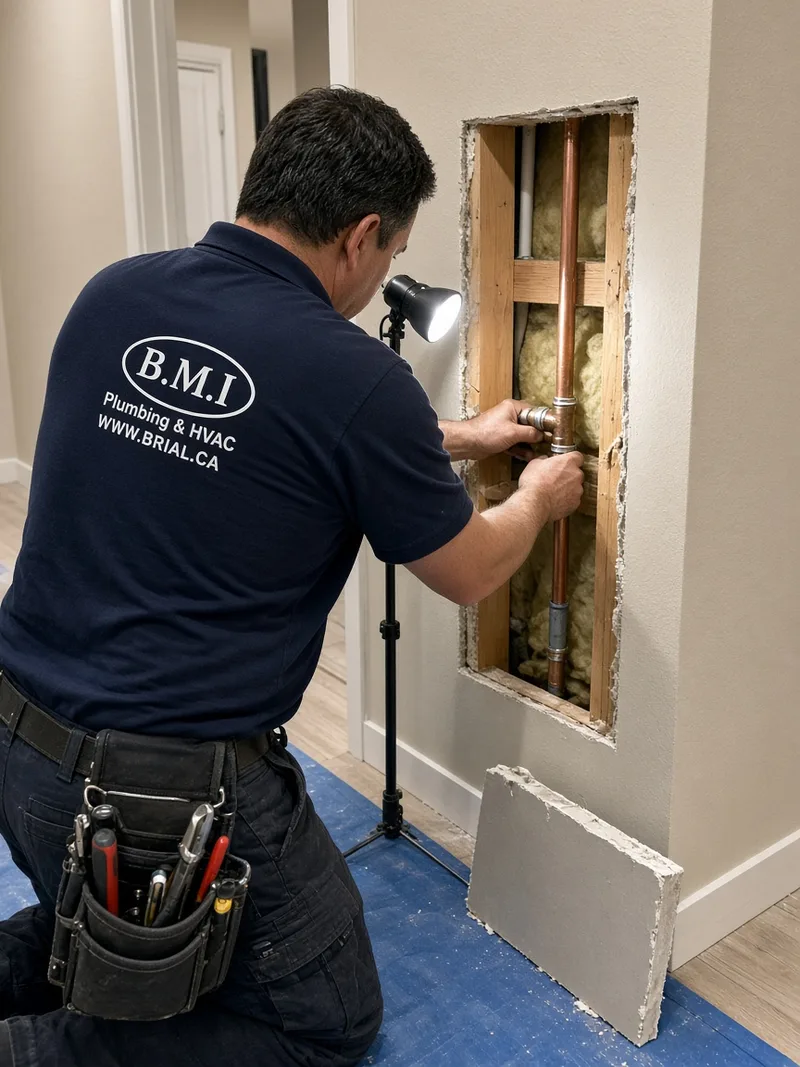
Every building below stayed occupied for the duration. Protection runs from the suite door to the work area and over the vanity, the counters and the floor. The wall is closed, finished and painted by our own crew in the same week rather than left for a drywall contractor to schedule separately, which is usually the difference between a programme residents tolerate and one they complain about at the next AGM.

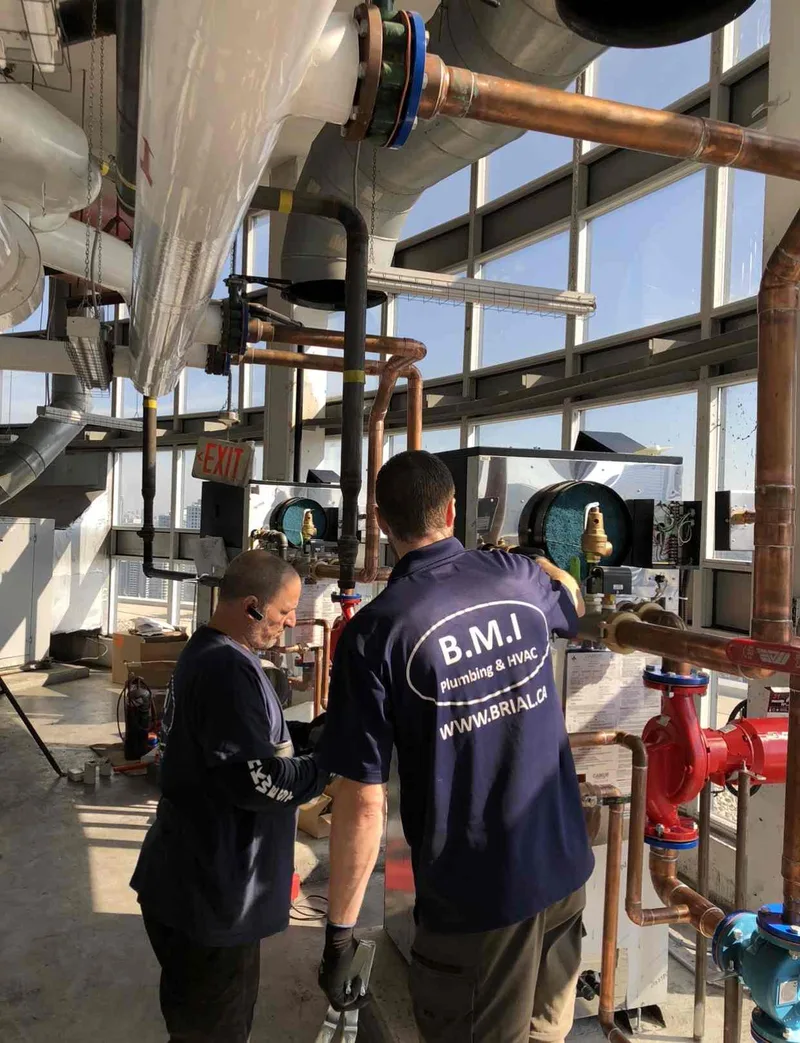
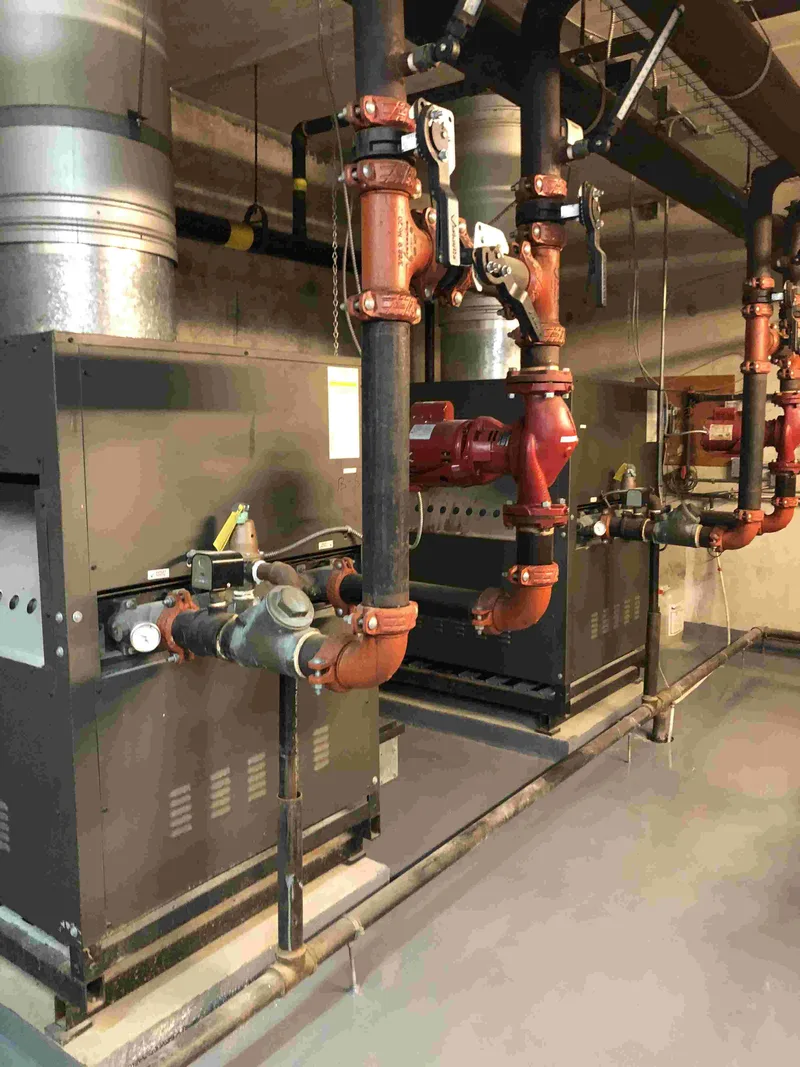
Two BMI plumbers working on distribution piping in the mechanical room of an occupied Toronto condominium tower
Mechanical room work in an occupied tower. The building keeps running while the programme goes on around it.
At a glance

Condominium plumbing in Toronto

How BMI works in Toronto condominium and multi-residential buildings.
Area coveredCity of Toronto, including North York, Scarborough, Etobicoke, York and East York
Office356 Marlee Ave, Toronto
Water utilityToronto Water
Building typesCondominium towers, rental multi-residential, mixed-use with commercial at grade
Capital workRiser replacement, expansion compensators, valve replacement, Kitec removal, re-piping
MaintenanceKitchen stack cleaning, PRV service, valve audit and exercise programmes
ComplianceBackflow prevention testing to City of Toronto requirements
ResidentsStay in their homes throughout
Wall repairBoarded, taped, sanded and painted by BMI's own finishing crew
Emergency response24/7, (416) 845-3756
Years in business20
Questions

Toronto condominium questions

Yes. We work throughout the City of Toronto, which since amalgamation in 1998 includes North York, Scarborough, Etobicoke, York and East York as well as the old City of Toronto. Most of our completed riser and valve work sits in the downtown core, along Yonge Street and through midtown, but the crews are in North York and Etobicoke buildings on the same week. Our office is at 356 Marlee Ave, so nothing in the city is a long run for an emergency call.

Age alone does not decide it, but it tells you when to start looking. A large share of Toronto's condominium stock went up in the 1970s and 1980s, which puts the original domestic water risers somewhere between forty and fifty-five years old now, and that is the window where pinhole leaks stop being isolated events and start repeating on the same stack. The honest answer comes from evidence rather than a birthday: repair history by stack, the condition of pipe removed during an unrelated repair, and a camera inspection. We would rather open one wall and tell you the pipe has ten years left than sell you a programme you do not need yet.

That is the normal way it is done, and it is most of what we do in Toronto. The work is phased stack by stack rather than floor by floor, so water is off on a handful of suites on their scheduled day and everyone else in the tower is unaffected. Residents stay in their homes for the whole programme. Each suite gets written notice of its date and window, walls are opened, the new pipe is installed and pressure tested, and our own finishing crew closes, sands and paints before the crew leaves that floor.

Because the city pressure that reaches a tall building is more than the lower floors can tolerate. Toronto Water delivers pressure sufficient to push water up the building, which means the suites nearest the ground would see pressure high enough to damage fixtures, hammer the pipework and cause premature failures at flexible connections. A pressure reducing valve station drops the pressure for the lower zones, and the taller the building, the more zones it has. When a PRV drifts or fails, the symptoms arrive as a run of burst supply lines or a sudden noise complaint rather than as an obvious valve problem, which is why the station gets inspected rather than waited on.

Many buildings do need it, and the requirement is annual. The City's cross-connection control programme covers properties where the building's water system could contaminate the municipal supply, and condominiums with irrigation systems, boiler make-up lines, mechanical loops or commercial units at grade generally fall inside it. Testing has to be done by a certified tester and the report filed. We test, repair or rebuild what fails, and retest so the corporation holds a clean certificate rather than an outstanding one.

The mechanical work is often the straightforward part; scheduling around a tower with one service elevator and a single loading dock is the harder problem. We book the elevator and the dock through property management before the programme starts rather than turning up and competing for them, work within the building's noise hours, and sequence suites so the crew moves logically through a stack instead of criss-crossing the building. On downtown sites with restricted street access, material is staged inside on the level where the work is happening.

It depends on the scope, the number of stacks and the state of what we find, and anybody quoting a building-wide number over the phone is guessing. What we can tell you is how we get to a real number: we come and look at the building before we quote it, open representative points where we need to, and price the actual repeating suite types rather than an average. For maintenance work like stack cleaning or a valve exercise programme, the pricing is per building per visit and holds across a contract term.

Have a plumbing problem in a Toronto building?

Send us the scope and we will come and look at the building before we quote it. Emergencies are answered at any hour.

Burst pipe or active leak right now? We answer 24 hours a day, every day of the year — (416) 845-3756
Call now Book Now