Plumbing Maintenance Programs for Toronto Condominiums
Scheduled work under contract on the three systems that cause the most damage when they are left alone: kitchen stacks, pressure reducing valves, and the isolation valves the building depends on in an emergency.
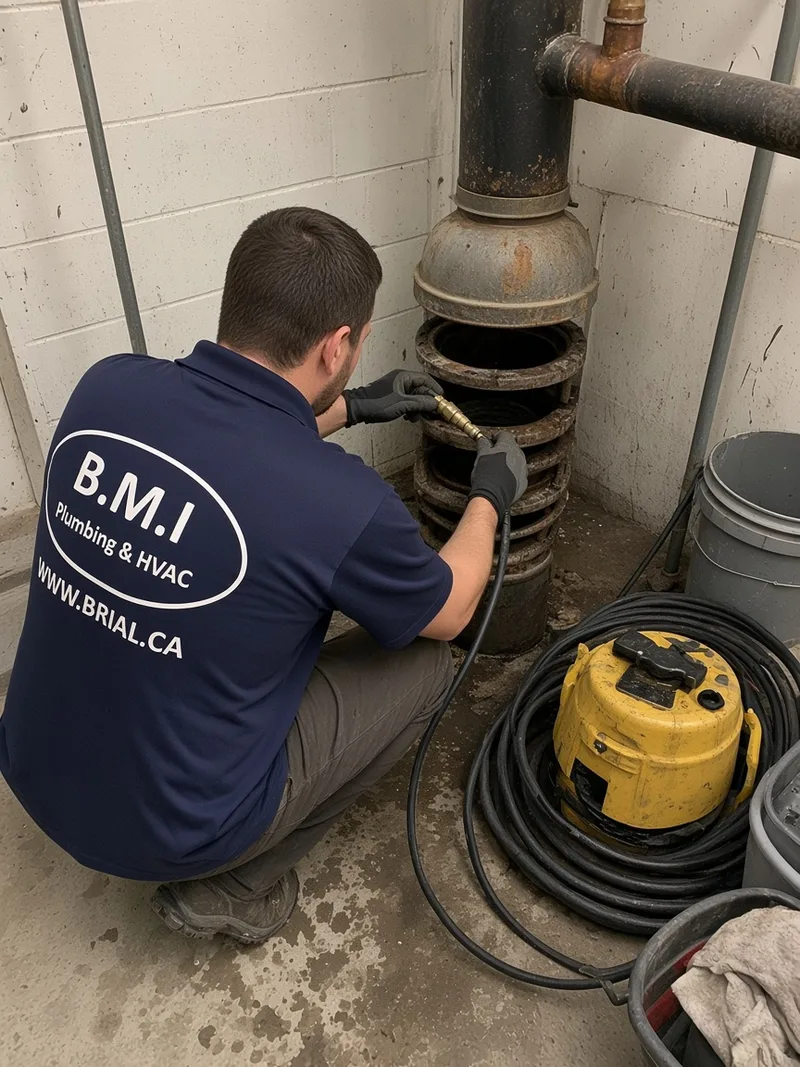
Kitchen Stack Cleaning
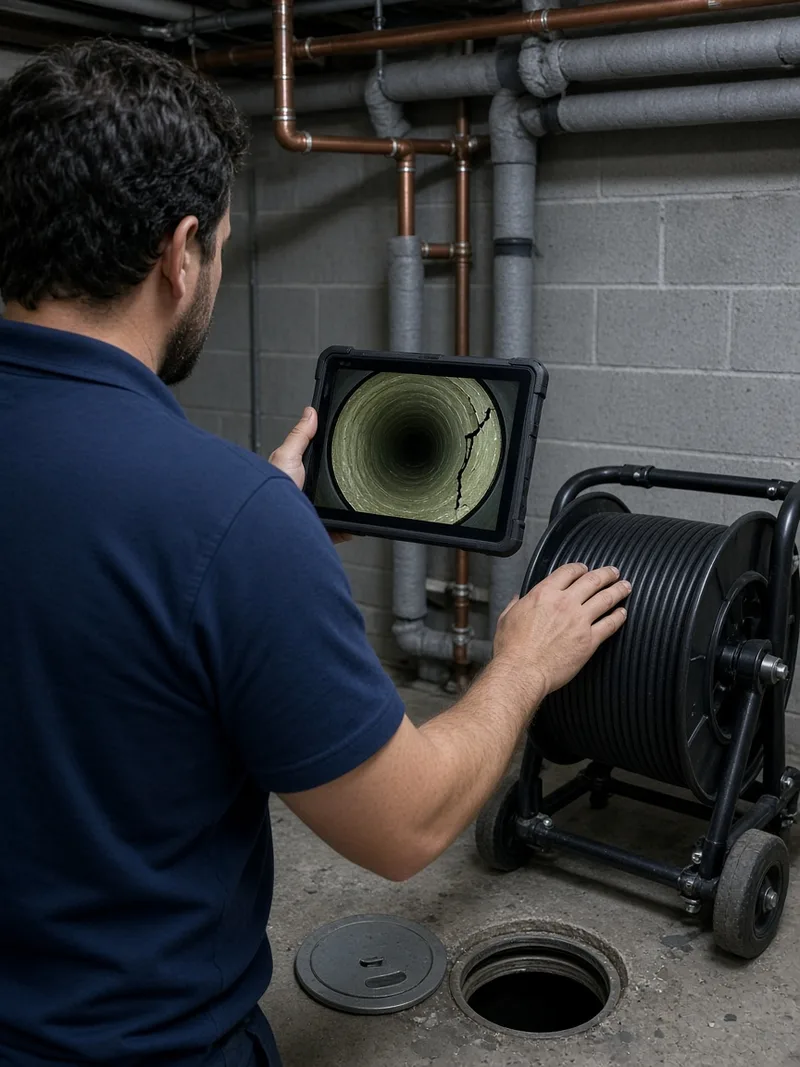
Grease builds up in kitchen stacks until a suite floods. We clean on a schedule, camera-verify the result, and tell you plainly which stacks need replacing rather than cleaning again.
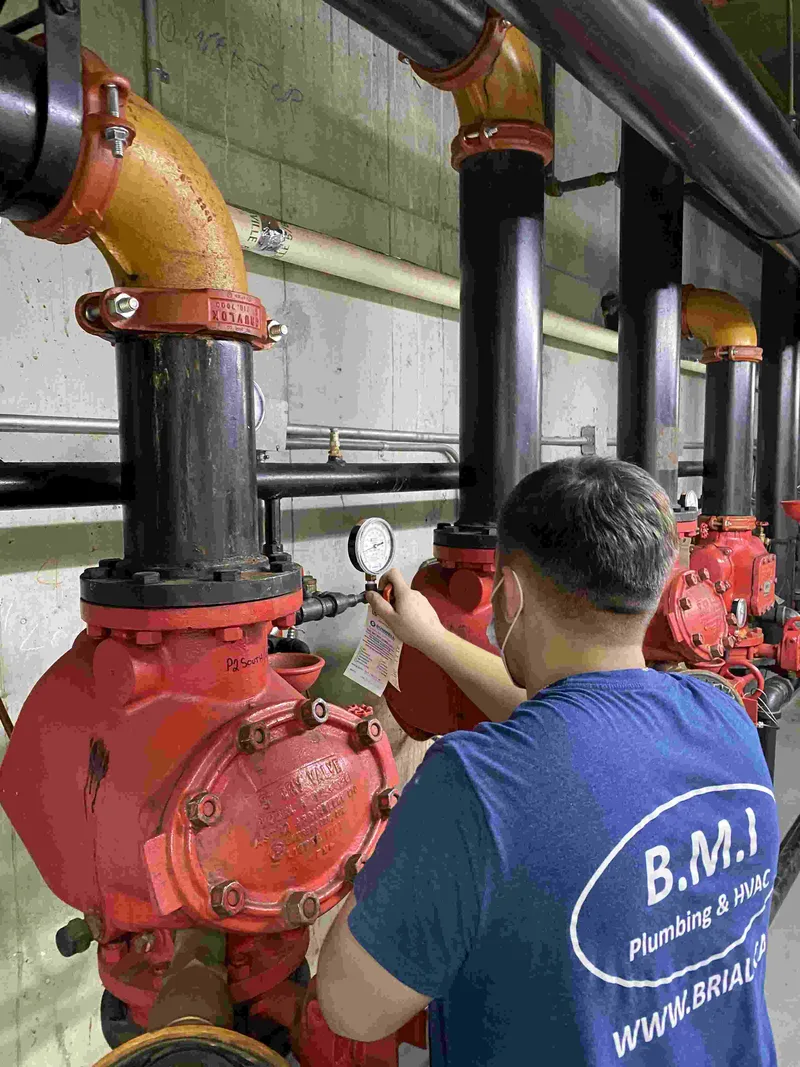
PRV Maintenance & Replacement
A failing PRV shows up as banging pipes, blown fixtures and pressure complaints on the top floors. We service the station, rebuild or replace the valve, and set it properly for your building's zones.
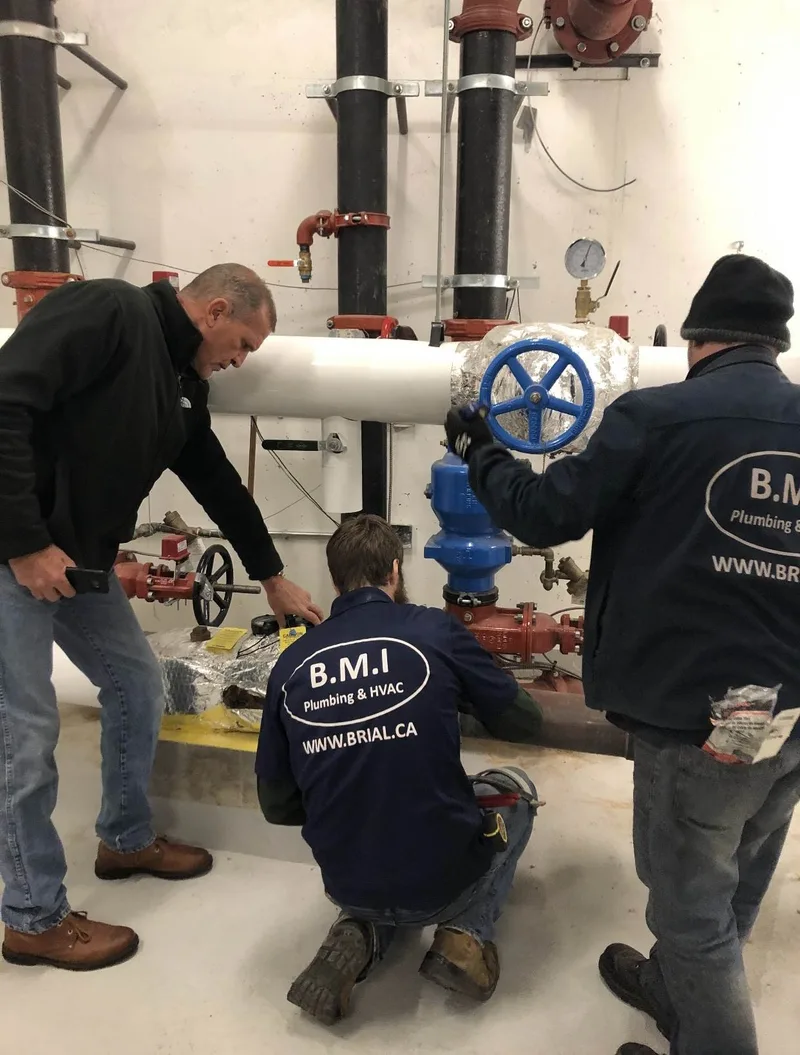
Valve Audit & Exercise Programs
When a pipe bursts at 2am, somebody has to know which valve stops it. We locate, tag and chart every valve in your building, then exercise them on an annual contract so they still turn when it counts.
Maintenance is a record, not a visit
The value of a maintenance contract is not that somebody attends. It is that the building accumulates a measured history of its own plumbing: which stacks load quickly and which do not, how far each pressure reducing valve has drifted since it was last set, which isolation valves have stopped turning. Without that record, capital planning is guesswork and every failure is a surprise.
Each attendance therefore produces documentation rather than an invoice alone. Camera footage of the stacks that were cleaned. Differential pressure readings across every PRV. An updated valve chart showing what was exercised, what was seized and what needs replacing. Three years of that and the board can see what is degrading and at what rate.
Scheduled so the building can plan around it
Programme dates are set with management well ahead and noticed to residents in writing. Stack cleaning and valve work require no shutdown. Where PRV service needs a zone down, it is booked into a weekday window and the affected suites are told which hours to expect.
- Intervals set from measured condition, not a generic schedule
- Camera verification on every stack that is cleaned
- Differential pressure readings recorded for each PRV
- Valve chart maintained and reissued as the building changes
- Written report to management after every attendance
- Same crew returning, so the building is known rather than learned
What a year looks like
A starting point for a mid-rise or high-rise residential building. Intervals move once the record shows how a particular building behaves.
| System | Interval | What is produced |
|---|---|---|
| Kitchen waste stacks | Annual, or six-monthly on heavy stacks | Camera footage and a per-stack condition note |
| Pressure reducing valve stations | Annual inspection, rebuild on condition | Differential pressure readings and set points |
| Isolation valves | Annual exercise of the full charted set | Updated valve chart and a replacement list |
| Backflow prevention devices | Annual test, as required by the City of Toronto | Test certificate filed with the City |
| Main and branch drains | As indicated by camera findings | Inspection report for capital planning |
Twenty years in the same buildings
BMI has held plumbing maintenance contracts in Toronto condominiums for two decades and services roughly 200 buildings across the GTA. That matters for maintenance work specifically, because the value of a programme compounds: the crew that cleaned a stack last year knows which ones gave trouble, and the chart from the last valve audit is the one being updated rather than rebuilt from nothing.
We are a plumbing contractor rather than a facilities subcontractor, which means the same company that runs the maintenance programme also does the capital work when the record says a stack or riser has reached the end of cleaning. There is no handover to a second firm that has never seen the building, and no incentive to keep cleaning a pipe that should be replaced.
Maintenance program questions
A contract under which defined plumbing systems are serviced on a fixed schedule rather than when they fail. For a Toronto condominium that normally means kitchen stacks cleaned on a set rotation, pressure reducing valve stations inspected and rebuilt on condition, and every isolation valve located, charted and exercised annually. Each visit produces a written record the corporation keeps.
Cost and consequence. A kitchen stack cleaned on schedule is a planned attendance with notice to residents; the same stack blocked on a Saturday is an emergency callout, a flooded suite, a restoration claim and a chargeback dispute. Scheduled work also produces the condition history an engineer needs to plan capital replacement instead of guessing at it.
Most Toronto buildings settle on annual cleaning of the full stack set, with problem stacks moved to a six-month interval once camera footage shows how quickly they load up. Buildings with in-suite garbage disposals or heavy cooking loads justify the shorter interval. The camera record from each visit is what sets the next one, not a generic rule.
Annual inspection with differential pressure readings taken across each valve, and a rebuild when the readings show the seat or diaphragm is passing. A PRV that drifts high drives premature failure in every fixture, hose and appliance downstream; one that drifts low produces the pressure complaints on upper floors that residents report as low flow.
Every isolation valve in the building is located, tagged and entered on a chart, then operated through its full travel once a year and returned to position. Valves that will not move or that pass once closed are recorded for replacement. The point is that on the night a riser has to come down, the valve turns and the chart says which one.
Usually not. Kitchen stack cleaning is carried out from the stack cleanouts and roof access, and PRV and valve work is in the mechanical rooms and service shafts. Where a suite does need to be entered, management issues notice with a date and window in advance and we work to it.
Stack cleaning does not require a water shutdown. PRV service on a building with a single station requires a planned shutdown of the affected zone, normally a few hours inside a weekday window agreed with management and noticed to residents. Valve exercise work is done without interrupting service.
A report after every attendance: what was serviced, what was found, camera footage where a stack or drain was inspected, differential pressure readings for each PRV, and the updated valve chart. Those documents are what a board hands to an engineer for a reserve fund study, and what a property manager produces when an insurer asks.
It is the only way it works. Stack loading, plant configuration and valve condition differ between buildings of the same age on the same street. We walk the building, inspect what is there and propose intervals based on measured condition, then adjust them as the record builds.
Yes, across roughly 200 active buildings in Toronto and the GTA, most of them under scheduled programs rather than one-off calls. References for buildings of a comparable size and age are available on request.
Put your building on a schedule
We will walk the building, inspect the stacks, the PRV station and the valves that are actually there, and propose intervals based on what we find. No charge for the visit or the proposal.