
PRV Maintenance & Replacement for Toronto Condominiums
A worn pressure reducing valve shows up as banging pipes, pressure that swings all day and fixtures failing early. We service the whole station and set it properly for every zone.
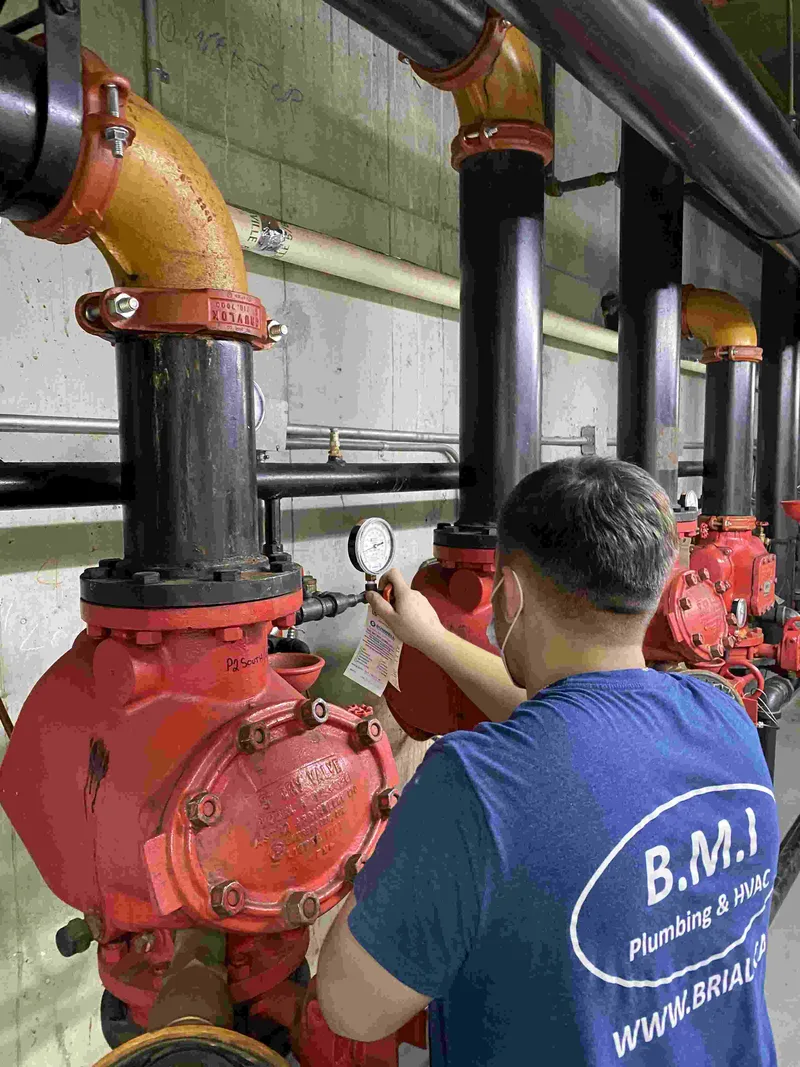
Pressure drift presents as noise, then as water damage
A worn pressure reducing valve rarely fails cleanly. It drifts. The set point climbs overnight as demand falls away, so the first residents drawing water in the morning receive a harsh, noisy supply, and the pipework takes a shock every time an appliance solenoid closes. That shock is not cosmetic: it works joints loose and fractures fittings.
The consequential damage presents elsewhere. Over-pressure destroys the least robust components first, and those are all inside suites: fill valves, faucet cartridges, braided supply lines, dishwasher hoses and flexible connectors. Where a building records a run of in-suite leaks with no apparent pattern, gauging the zones is the inexpensive test that usually accounts for it. Code limits static pressure at a fixture supply to 80 psi.
The valve is one component in a station
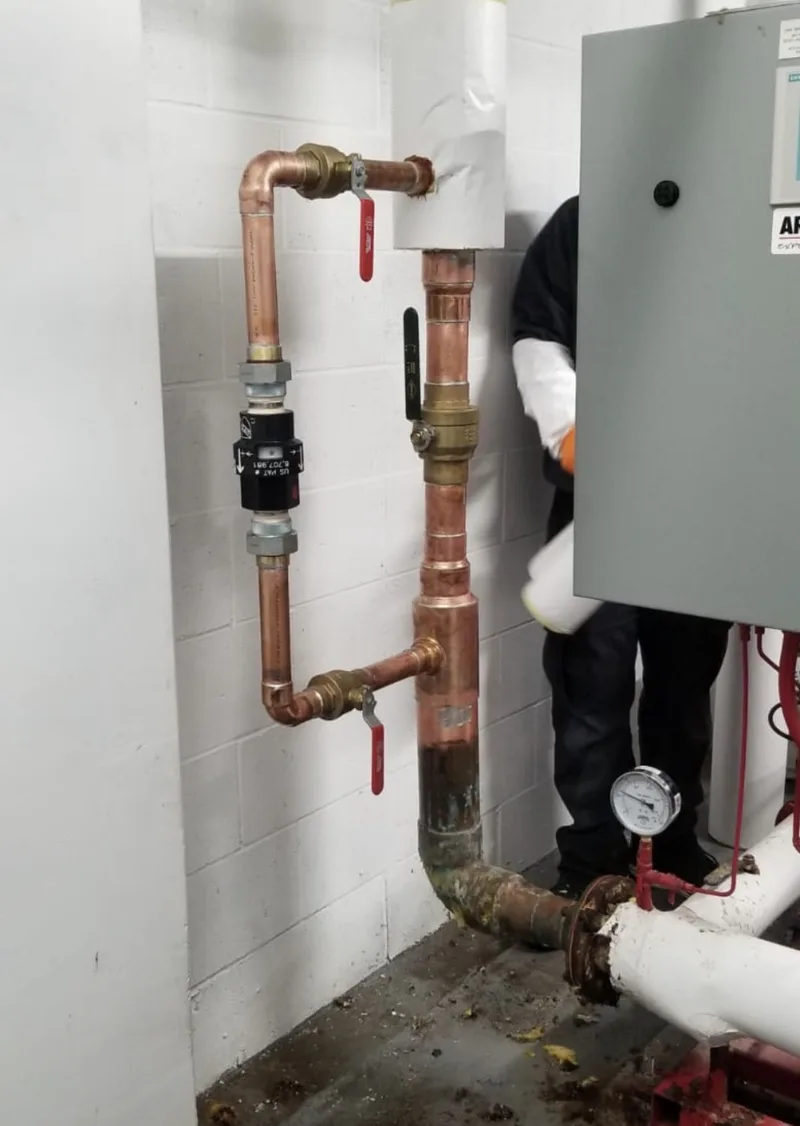
A PRV sits within a train of components: isolation valves, a strainer, gauges, a relief path and, properly specified, a bypass. A fouled strainer starves the valve. Seized isolation valves make the station unserviceable without dropping the zone. Absent or dead gauges mean the station has not been readable for years. Replacing the valve alone in a station in that condition returns the building to the same position inside a year, which is why we survey and quote the station.
Signs your PRV needs attention
Most of these arrive at the management office as resident complaints rather than as a plumbing problem, which is why they run for years.
Banging or hammering pipes
Pressure spikes slamming against closing valves. Often an oversized or hunting PRV, and it loosens joints over time.
Pressure that swings all day
Strong at 6am, weak at 7pm. A valve that can no longer hold a steady downstream pressure as demand moves around.
Weak flow on the upper floors
Complaints clustered in one band of floors point at that zone's station rather than at anything inside the suites.
Supply hoses failing early
Fill valves, braided lines and appliance hoses failing well short of their service life is the characteristic signature of over-pressure.
A relief valve that weeps
Water at the relief means pressure is passing something upstream. The discharge is the symptom, not the fault.
Nobody can read the station
Dead gauges, no recorded set points and no service history. The building holds no record of what its pressure is doing.
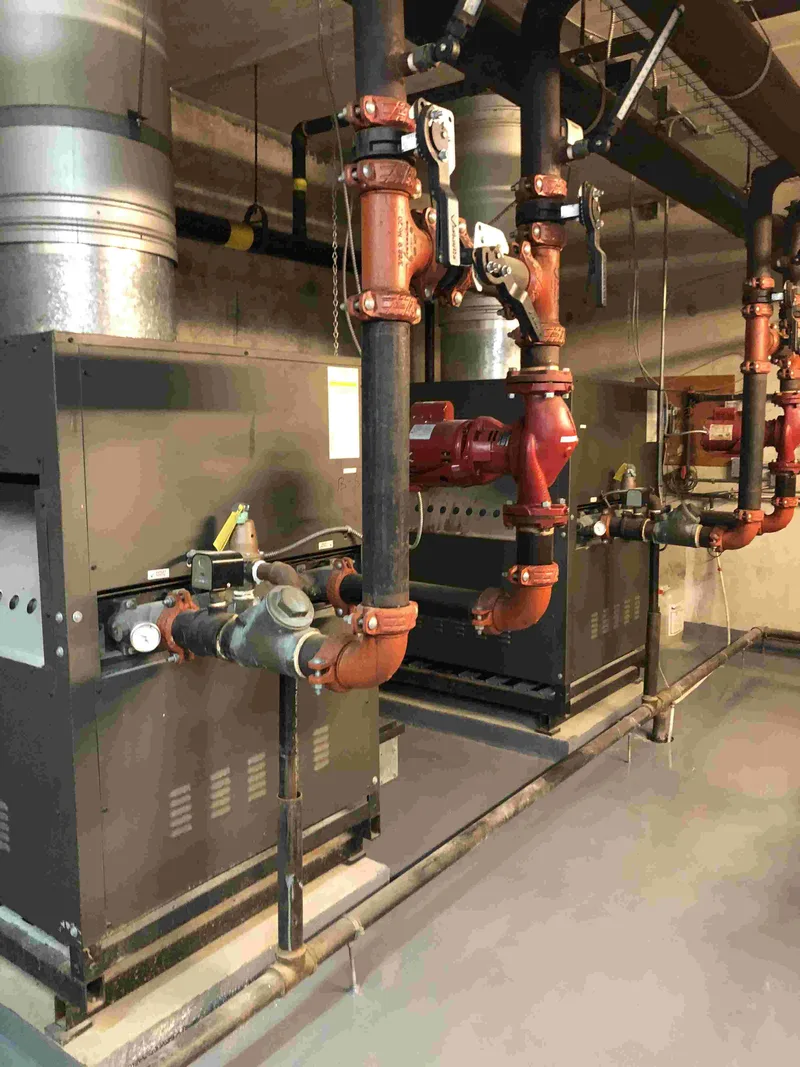
Pressure zones and what sits in a station
How we service a PRV station
Measure, diagnose, then work. Most of the value sits in the first two stages, and they are the two most often skipped.
-
Survey the pressure before touching anything
We gauge the incoming main, the station outlet and the far end of each zone, high and low. Pressure complaints are routinely attributed to the PRV when the fault is a booster pump, a partly closed valve or a fouled strainer, so we measure first.
-
Inspect the whole station, not just the valve
Isolation valves, strainer, gauges, relief valve, bypass and the pipe around them. A PRV that fails repeatedly is usually being damaged by another component in the station, and replacing the valve alone returns the building to the same position within a year.
-
Decide rebuild or replace, and say why
If the body is sound and parts are current, a rebuild is the right answer. If the body is eroded, the valve is the wrong size for the building's real demand, or parts are obsolete, we quote the replacement and explain the sizing.
-
Plan the shutdown and give notice
Where a bypass exists we use it and keep the zone live. Where it does not, we agree a window with management, notify the affected floors in writing, and keep the outage to hours.
-
Do the work
Rebuild with a full kit, seat, diaphragm and spring, or set the new valve with new isolation valves, a cleaned or new strainer and new gauges so the station can be read at the next service.
-
Re-commission by zone
The valve is set for the zone it serves, then verified at the fixtures that matter: the highest and furthest outlet on the zone, and the lowest, where over-pressure does the damage.
-
Log the set points and hand over the record
Final pressures, the set point for each zone, photographs of the finished station and and a written assessment of the remaining service life of the rest of the station, so the next service does not begin from nothing.
Recorded measurements, not simply a quieter building
Pressure is invisible, so the only basis on which a board can hold a contractor to account is a record of what was measured and what it was set to. Every visit closes with the readings documented.
- Before and after pressure readings at the station and within each zone
- The recorded set point for every zone serviced
- Verification at the highest and lowest fixture on the zone
- A condition assessment of the complete station, not the valve alone
- Photographs of the finished station and of gauges that can be read
- Remaining service life recorded in a form the reserve fund study can use
PRV service at a glance
| Service | PRV inspection, rebuild, replacement and station upgrade |
|---|---|
| Building types | Condominium and rental high-rises, mid-rise buildings, multi-residential |
| Typical frequency | Inspection annually; rebuild or replace on condition |
| Code ceiling | 550 kPa (80 psi) static pressure at a fixture supply |
| Access required | Mechanical and zone valve rooms only |
| Suite access | Not required, except to verify pressure at a fixture |
| Shutdown | None where a bypass exists; otherwise a planned outage of hours |
| Diagnostics | Calibrated gauge readings and pressure logging across the zones |
| Deliverable | Written commissioning record with set points and station assessment |
| Also available | New isolation valves, strainers, gauges and bypass piping |
| Service area | Toronto, North York, Etobicoke, Scarborough, Mississauga and the wider GTA |
| Emergency response | 24/7 for a failed valve or flooding station, (416) 845-3756 |
We measure before we quote
Pressure complaints are frequently attributable to the booster pump set, a partly closed isolation valve or a fouled strainer rather than to the PRV itself. We gauge the station and every zone before quoting, which is how a board avoids funding the wrong repair. BMI services, rebuilds and replaces PRV stations, and holds the valve and riser capability to correct the station piping around them in the same visit.
PRV questions from boards and managers
If it happened to your whole suite at once and your neighbours are affected too, suspect the PRV serving your zone: a failing valve can close down and starve the top of the zone it feeds. If it is only one fixture, it is far more likely to be an aerator, a cartridge or a partly closed shut-off in your own unit. The useful thing to establish before calling is whether it is hot, cold or both, one tap or all of them, and whether the neighbours have it too. That one answer decides whether this is a building repair or an in-suite one.
That is a PRV that has crept upward, and it is worth reporting rather than living with. A valve wears on the seat and the diaphragm and gradually lets more pressure through than it is set for, and the suites nearest the bottom of that zone feel it first. High pressure is not just unpleasant, it shortens the life of every flexible supply line, fill valve and cartridge in your unit and it is the most common reason a building starts seeing washing machine hoses and toilet connectors fail.
Water hammer is the shock of moving water being stopped suddenly, and excessive pressure is the usual reason it is loud enough to hear through a wall. Quick-closing valves on dishwashers and washing machines make it worse. It is worth reporting because the same shock loads the joints and the fittings in the wall, and a building with a PRV set high will typically have a scattering of leak repairs that all trace back to the same cause.
In an older building with a non-pressure-balanced shower valve, a flush momentarily pulls cold water away from your mixer and the shower runs hot. It is more pronounced when zone pressure is low or unstable, so a drifting PRV can turn an occasional annoyance into a daily one. The building-side fix is correcting the pressure; the in-suite remedy is a pressure-balanced or thermostatic shower valve, which should be specified in any bathroom renovation.
No. PRV stations live in mechanical rooms and service spaces, not in suites, so this is work you should never see. The only thing a resident normally notices is a notice in the elevator and, if the zone has to be drained, a few hours without water and some air in the lines afterwards. Running the cold taps for a minute clears that.
Pressure arriving at your suite is the corporation's, because the PRV stations, the zone piping and the risers are common elements. What happens to that water once it is inside your unit is generally yours, which covers your fixtures, cartridges, aerators, supply lines and the shut-offs at the fixtures. That is why the first question on a pressure complaint is always whether the neighbours have it too: it decides which side of the line the problem is on.
A pressure reducing valve drops incoming municipal water pressure to a level the building's piping and fixtures can tolerate. City pressure at the base of a Toronto tower is far higher than a suite can take, and pressure also changes with height, so a tall building is divided into pressure zones with a PRV controlling each one. The valve holds a steady downstream pressure regardless of how much the pressure upstream moves around. When it works, nobody knows it is there.
The usual complaints are banging or hammering pipes, pressure that swings through the day, fixtures and supply hoses failing more often than they should, and residents on the upper floors reporting weak flow while the lower floors get too much. A worn valve can also creep upward overnight when demand drops, so the first showers of the morning are harsh. In the worst case it fails wide open and puts near-full main pressure into suite piping, which starts causing leaks.
Plan on an inspection every year. That means gauging the station and the zones, checking the strainer, and confirming the set point has not drifted, which is an hour or two of work rather than a project. Rebuild or replacement intervals vary far more widely, because they depend on water quality, how hard the valve is working and whether it was sized correctly in the first place. A valve in a well-built station can run for many years; an oversized one in a dirty station can be finished in a fraction of that.
Rebuild when the valve body is sound and a current parts kit is available, because you get a new seat, diaphragm and spring for a fraction of the cost of new. Replace when the body is eroded or pitted, when the valve is the wrong size for the building's actual demand, or when the model is obsolete and parts are a scavenger hunt. Sizing is the one people miss: a PRV that is too large for the flow it sees will hunt at night when demand falls, and that hunting is often the banging residents are complaining about.
Because pressure falls as water goes up, at roughly 10 kPa per metre of height, and a single set point cannot suit a forty-storey column. That is why buildings are split into zones. When one zone's PRV drifts or fails, the complaints cluster in a specific band of floors, and the pattern of who is complaining tells us which station to look at first. If every floor in a zone reports the same thing, the fault is at that zone's station rather than in the suites.
Usually only for a few hours, and sometimes not at all. Where the station has a working bypass we run the zone on the bypass and keep residents in water while the valve is off the line. Where there is no bypass, or the bypass valves themselves have seized, we schedule a planned outage with management, give the affected floors written notice, and do the work inside the agreed window. Where none exists, we recommend installing a bypass as part of the work rather than leaving the building unable to service its own station.
There is no single number, because the right set point depends on the zone's height, the fixtures it serves and what the booster system is doing. The ceiling is set by code: static pressure at a fixture supply is capped at 550 kPa, or 80 psi. In practice we set a zone comfortably under that ceiling, verify it at both the highest and the lowest fixture on the zone, and record the number. Setting for the top floor without checking the bottom is how buildings end up replacing supply hoses every year.
Yes, and it is one of the most common hidden causes of repeat in-suite water damage. Over-pressure attacks the weakest components first: toilet fill valves, faucet cartridges, braided supply lines, dishwasher and washing machine hoses, and flexible connectors. Each of those is a potential flood and an insurance claim. When a building sees an unusual run of in-suite leaks with no obvious pattern, gauging the zones is cheap and often explains it.
Annual inspection and minor servicing sit naturally in the operating budget. Rebuilds are a judgement call and often go there too. Full replacement of a valve and its station piping is capital work and belongs in the reserve fund study, which is why our reports state the condition of the whole station and not just the valve. If your study has no line for PRV stations, the assessment we hand over is written so it can be added.
Related programs and services
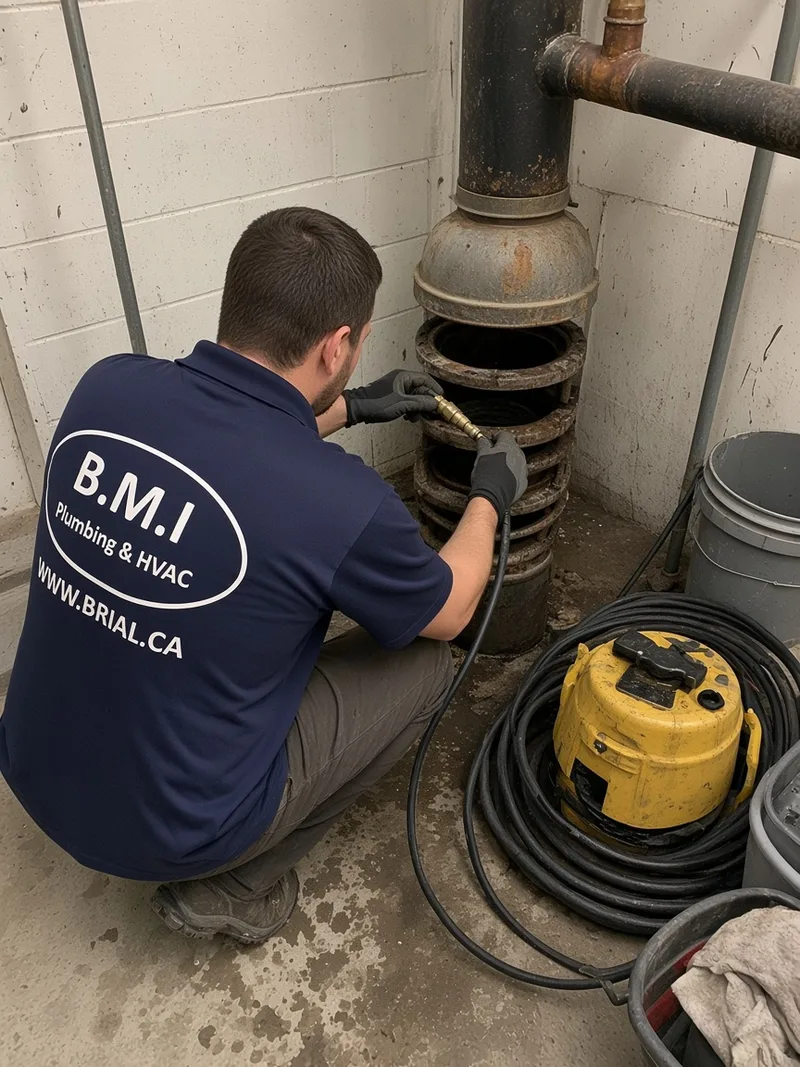
Kitchen Stack Cleaning
Scheduled jetting of kitchen waste stacks, camera-verified, with a written report on every stack.
Valve Audit & Exercise Programs
Every valve located, tagged and charted, then exercised annually so it still turns when a pipe lets go.
24/7 Emergency Leak Response
Isolate first to stop the damage spreading, then make the permanent repair. Answered any hour.
Get your pressure zones measured properly
Tell us which floors are complaining and we will gauge the station and the zones, then tell you whether it is the PRV, the pumps or something nobody has looked at yet.