Condominium Plumbing in Richmond Hill
Richmond Hill's condominium stock is concentrated along one corridor, on some of the highest ground in the GTA. Elevation and pressure shape more of the plumbing here than anything else.
One corridor, on high ground
Richmond Hill's condominium buildings are not spread across the municipality the way Mississauga's or Markham's are. They are concentrated along Yonge Street, from the Langstaff and Highway 7 end up through the town centre, with the rest of the city largely low-rise.
That concentration makes the stock unusually consistent, and it means one factor dominates: this is some of the highest ground in the Greater Toronto Area, served by York Region's pumped and stored network rather than by a lake-side system. What a building receives at its front door is a different starting point from a Toronto tower of the same height, and every pressure decision inside the building follows from it.
Why pressure is the recurring theme
A tall building has to get water to its top floor without subjecting its bottom floors to that same pressure. Booster pumps push it up; a pressure reducing valve station breaks the building into zones on the way down. Both are set against an assumed supply condition. When the assumption and the reality diverge, residents feel it at the extremes of the building, and almost never as something recognisable as a pressure problem: weak flow on the upper floors, or hammering pipes and supply hoses failing repeatedly on the lower ones.
The older buildings
Not everything on the corridor is new. Stock from the 1980s and early 1990s is in the same position as its Toronto equivalents, with original risers and isolation valves at end of life and repairs starting to repeat on the same stack. That is riser replacement and valve replacement, phased with the building occupied, and worth confirming with a camera inspection before it goes into a reserve fund study.
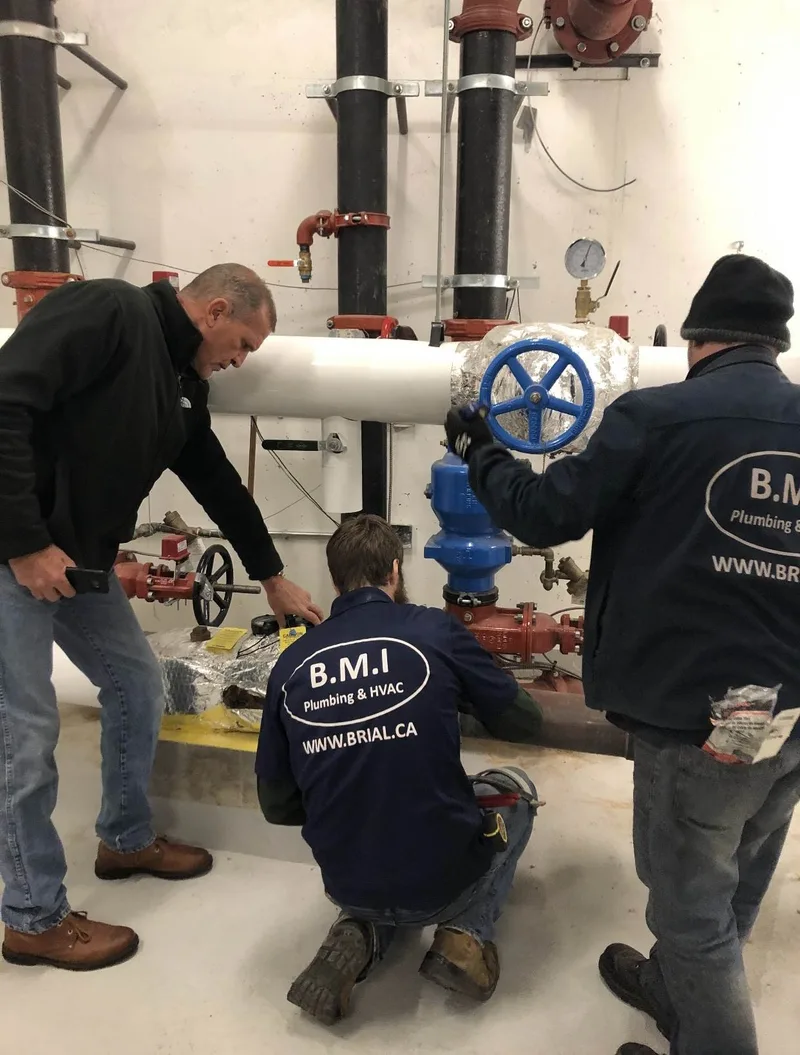
A pressure complaint, worked from the supply up
Pressure problems get misdiagnosed more than anything else in a high-rise, because the symptom appears a long way from the cause.
1. Establish the supply
What York Region actually delivers at the building, and which zone it sits in. Everything else is measured against this.
2. Check the booster set
Whether it is keeping up, short-cycling, or working far harder than it should for the demand it is seeing.
3. Test each PRV station
Zone by zone, against what the occupied building demands rather than the commissioning assumption. PRV service.
4. Find the closed valve
A partially closed or seized isolation valve upstream is more common than anyone expects, and invisible without a chart. Valve audits.
5. Rule out the pipe
Scale and corrosion restrict bore in older risers, which reads as a pressure problem but is a pipe condition problem.
Then report it
In writing, with what we found and what we recommend, so the board has something to act on.
The same corridor, a little further south
We publish our completed capital work building by building with the scope on each one, and there are no Richmond Hill addresses on it yet. We would rather say that than fill this page with buildings we have not touched.
What is genuinely relevant is that the Yonge corridor does not stop at Steeles. Five of our completed towers are in North York, including a complete low-zone and high-zone riser replacement at 131 Beecroft Road, near Yonge and Sheppard. Low-zone and high-zone work is precisely the zoned, pressure-driven discipline a Richmond Hill corridor building needs, in the same kind of tower, on the same street.
Richmond Hill is inside our normal working area for capital projects and maintenance contracts alike.
Condominium plumbing in Richmond Hill
| Area covered | All of Richmond Hill, including the Yonge Street corridor, Langstaff, Oak Ridges and Bayview Hill |
|---|---|
| Water and wastewater | York Region |
| Building permits | City of Richmond Hill |
| Defining factor | High elevation on a pumped and stored regional network |
| Most common work | PRV stations, booster pump sets, valve charting, kitchen stack cycles |
| Older stock | Riser and valve replacement in 1980s and early 1990s buildings |
| Backflow testing | Filed locally and through York Region, not to the City of Toronto |
| Residents | Stay in their homes throughout |
| Nearest completed work | 131 Beecroft Rd, North York, on the same Yonge corridor |
| Emergency response | 24/7, (416) 845-3756 |
Richmond Hill condominium questions
York Region supplies water and handles wastewater, and the City of Richmond Hill issues building permits. York's network is pumped and stored rather than fed by gravity from a lake-side plant, and Richmond Hill sits on some of the highest ground in the Greater Toronto Area. That combination means the supply pressure arriving at a building here is a genuinely different starting point from a Toronto tower at a similar height, and it is the first figure to establish before diagnosing any pressure complaint.
Because a building's internal pressure design starts from what the municipal system delivers at its front door. Higher ground generally means lower incoming pressure, which changes how hard booster pumps have to work to serve the top floors and how the pressure reducing valve stations below them need to be set. A building designed for one supply condition and operating in another will show it as complaints at the extremes of the building: weak flow high up, or hammering and failing supply hoses low down.
Pressure work, by a clear margin. Most of the corridor's stock is recent enough that pipe age is not the issue, so the recurring items are pressure reducing valve stations drifting out of adjustment, booster pump sets short-cycling or running harder than they should, and the valve charting that nobody completed after handover. Kitchen stack cleaning is the other regular: buildings put off starting a cycle until a lower-floor suite backs up, which is the expensive way to schedule it.
In a corridor building it is usually one of three things, and they are distinguishable. The booster pump set may not be keeping up, either because it is failing or because it was sized for a different supply condition. The pressure reducing valve station serving that zone may have drifted. Or there may be a partially closed or seized isolation valve somewhere upstream that nobody knows about, which is more common than people expect in buildings whose valves have never been charted. The investigation starts at the supply figure and works up.
The older stock does. Not everything along Yonge is new, and buildings from the 1980s and early 1990s are in the same position as their Toronto equivalents: original risers and isolation valves at the end of their service life, with repairs beginning to repeat on the same stack. That work is phased stack by stack with the building occupied, and it is worth confirming with a camera inspection and a sample of removed pipe before committing a reserve fund to it.
Yes. Cross-connection control in Richmond Hill is administered locally and through York Region rather than by the City of Toronto, so a management company with buildings in both places needs two separate filings on two schedules. The devices and the test procedure are identical, which is exactly why it gets missed. We test, repair or rebuild what fails, retest, and file to the authority that actually covers the building.
Yes, it is inside our normal working area, and we will be straightforward about the rest: our completed capital projects are concentrated inside the City of Toronto, so there are no Richmond Hill addresses on our project list yet. The closest is our North York work, five towers up the Yonge corridor including a complete low-zone and high-zone riser replacement at 131 Beecroft Road. Zoned high-rise pressure work along Yonge is the same discipline, a short distance south.
Other areas we work in
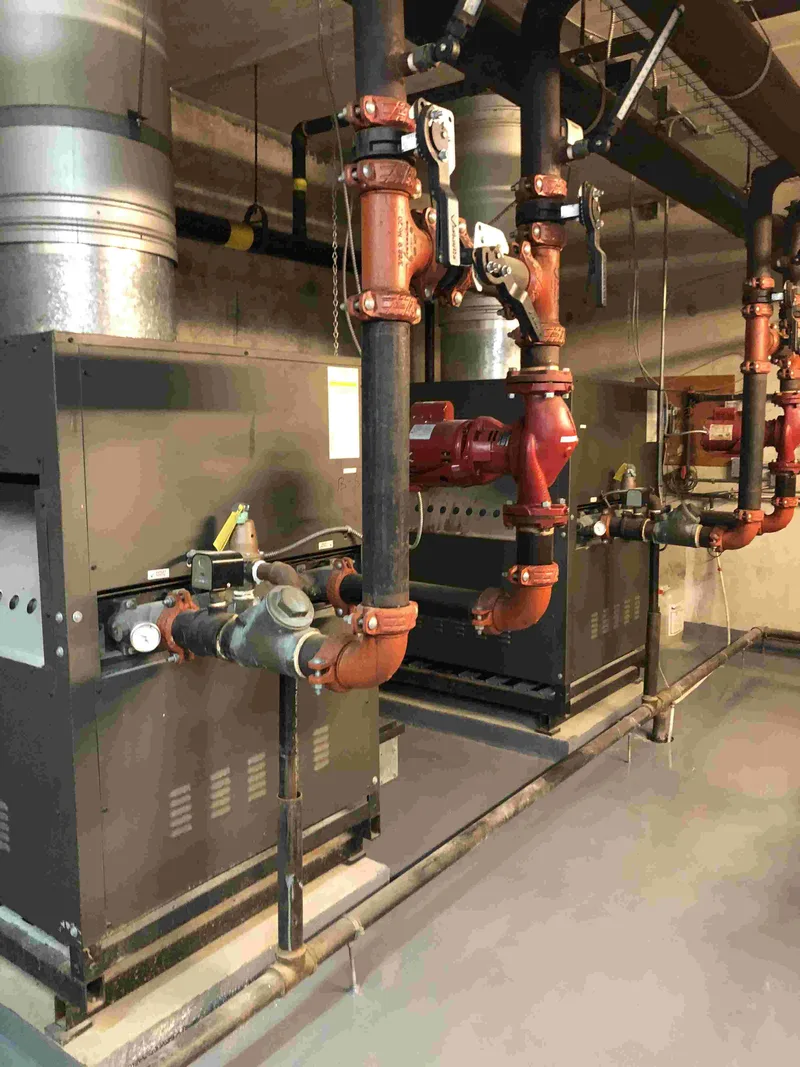
Toronto
Nine completed towers through the downtown core and midtown, from Yonge and Jarvis across to Richmond and Carlton.
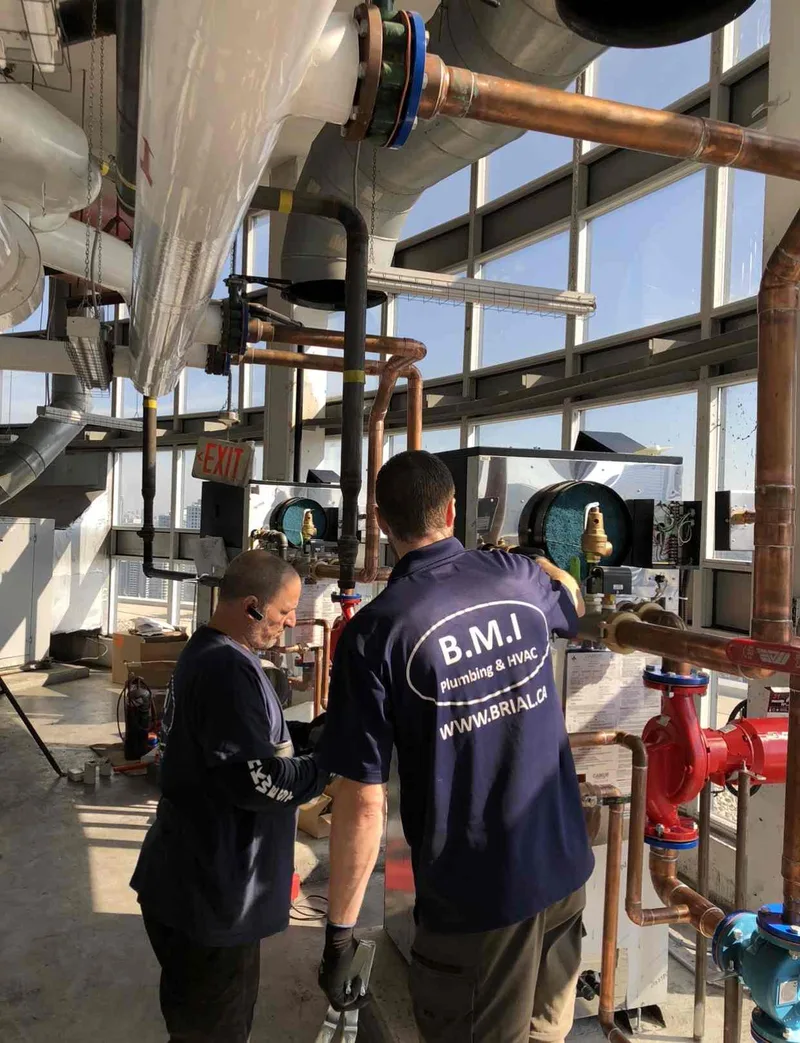
North York
Five completed towers, from Beecroft near Yonge and Sheppard out to Driftwood and the Four Springs buildings.
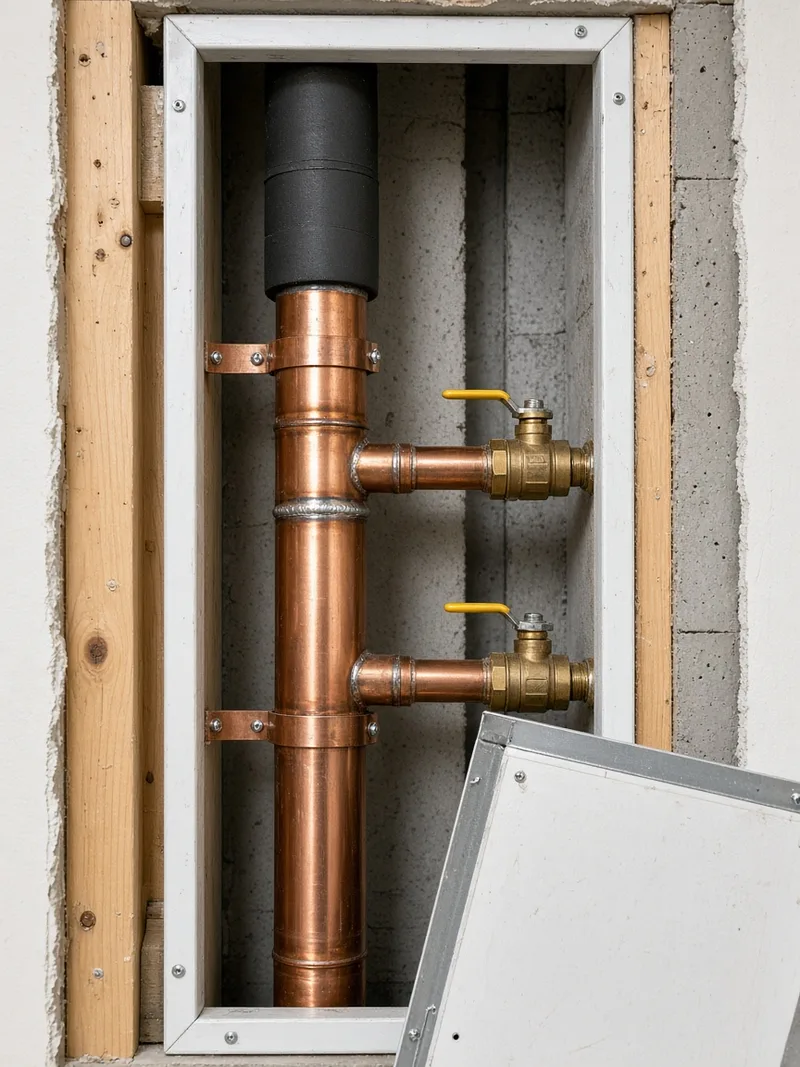
Mississauga
The largest condominium cluster outside Toronto, on Peel Region water and a permit regime of its own.
Have a plumbing problem in a Richmond Hill building?
Send us the scope and we will come and look at the building before we quote it. Emergencies are answered at any hour.